
Becoming an egg donor is a generous and life-changing decision that can help individuals and couples achieve their dream of starting a family. If you’re curious about the process, requirements, and benefits, this guide will walk you through everything you need to know in simple, easy-to-understand language.
Why Become An Egg Donor?
Choosing to become an egg donor is about more than just medical participation—it’s about making a meaningful impact. Many intended parents struggle with infertility, and egg donation gives them a real chance at parenthood. For donors, this can be an incredibly rewarding experience, both emotionally and financially.
Aside from helping others, donors often receive compensation for their time and commitment. This can help with education expenses, savings, or personal goals. Additionally, donors typically undergo thorough medical screenings, which can provide valuable insights into their own health.
It’s also worth noting that many donors feel a sense of pride and fulfillment knowing they’ve contributed to something deeply significant. The process is carefully regulated to ensure safety and transparency, so donors can feel confident throughout the journey.
How To Become An Egg Donor Step By Step?
If you’re wondering how to become an egg donor, the process is structured and straightforward, though it requires commitment. It usually begins with an online application where you provide basic personal, medical, and lifestyle information.
After initial screening, you may be invited for further evaluations. These include medical exams, genetic testing, and psychological assessments to ensure you are a good candidate. Once approved, you’ll be matched with intended parents based on preferences and compatibility.
The donation cycle itself involves hormone injections to stimulate egg production, followed by a minor surgical procedure to retrieve the eggs. The entire process typically takes a few weeks, but preparation and screening can take longer.
Who Can Become An Egg Donor?
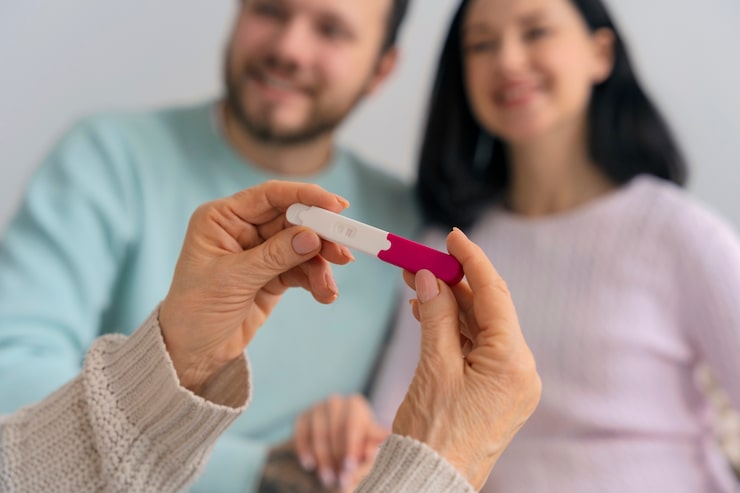
Not everyone is eligible to become an egg donor, as clinics follow strict guidelines to ensure the safety of both the donor and the recipient. Generally, donors are healthy women between the ages of 21 and 30, although requirements may vary slightly depending on the program.
Candidates should have a healthy body mass index (BMI), no significant genetic or hereditary conditions, and a stable lifestyle. Non-smokers and individuals without a history of substance abuse are typically preferred. Mental and emotional stability is also essential, as the process requires commitment and responsibility.
Education level, family medical history, and even personality traits may be considered during the selection process. While these criteria might seem strict, they are designed to ensure the best possible outcomes for everyone involved.
What Are The Benefits Of Egg Donation?
Egg donation offers a range of benefits that go beyond financial compensation. One of the most significant advantages is the opportunity to help others build a family. This act of generosity can bring immense personal satisfaction and emotional fulfillment.
Financially, donors are compensated for their time, effort, and commitment. This compensation varies depending on location and program but can be quite substantial. Many donors use this money to pay off student loans, travel, or invest in their future.
Another benefit is access to comprehensive medical care during the process. Donors undergo detailed health screenings and monitoring, which can provide valuable health insights. Additionally, some programs offer counseling and support services to ensure donors feel comfortable and informed.
Are There Risks Involved In Egg Donation?
Like any medical procedure, egg donation comes with certain risks, although they are generally minimal and well-managed. The most common side effects are related to hormone medications, which may include bloating, mood swings, or mild discomfort.
A rare but more serious condition is ovarian hyperstimulation syndrome (OHSS), where the ovaries become swollen and painful. However, with proper monitoring and experienced medical professionals, the risk of severe complications is low.
The egg retrieval procedure itself is minimally invasive and performed under sedation. Most donors recover quickly and can return to normal activities within a day or two.
What To Expect During The Egg Donation Process?
Understanding what happens during the egg donation process can help ease any concerns. Once matched with intended parents, you’ll begin a cycle of hormone injections to stimulate your ovaries. These injections are self-administered and closely monitored by medical professionals.
You’ll attend regular appointments for ultrasounds and blood tests to track your progress. This ensures your body is responding well to the medication and helps determine the optimal time for egg retrieval.
The retrieval procedure is quick, usually taking about 20–30 minutes. You’ll be under light sedation, so you won’t feel pain during the process. Afterward, you may experience mild cramping or spotting, but recovery is typically fast.
Emotional And Ethical Considerations Of Egg Donation
Egg donation is not just a physical process—it also involves emotional and ethical aspects. Donors should consider how they feel about their genetic material being used by another family. Some programs allow anonymous donations, while others offer open or semi-open arrangements.
It’s important to think about your long-term feelings and discuss them with a counselor if needed. Many programs include psychological evaluations and counseling sessions to help donors navigate these considerations.
Ethically, egg donation is guided by strict regulations to protect all parties involved. Transparency, consent, and confidentiality are key components of the process.
Conclusion
Deciding to become an egg donor is a deeply personal and impactful choice. It requires commitment, responsibility, and careful consideration, but it also offers the chance to change lives in a meaningful way. From helping families grow to gaining personal and financial rewards, the experience can be incredibly fulfilling.