

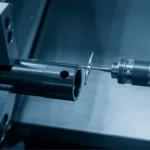





In modern manufacturing, precision is everything. Industries like aerospace, medical devices, automotive, and robotics rely heavily on components that meet extremely strict dimensional requirements. This is where tight tolerance CNC machining services play a crucial role. However, achieving such high precision is not just about advanced machines—it is also about rigorous quality control systems that ensure every part meets exact specifications.
Quality control in CNC machining is the backbone of reliability, consistency, and performance. Without it, even the most advanced machining processes can produce defective or inconsistent parts. In this article, we will explore how quality control works in tight tolerance CNC machining and why it is essential for high-performance manufacturing.
Understanding Tight Tolerance Requirements in CNC Machining
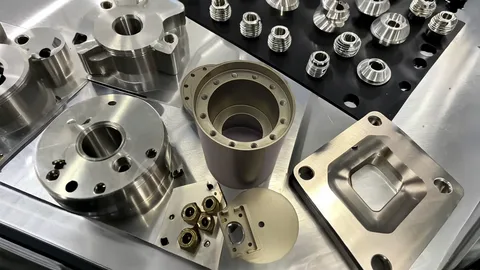
Tight tolerance refers to the allowable deviation from a specified dimension in a manufactured part. In tight tolerance CNC machining services, these deviations are extremely small—often measured in microns. This level of precision is essential for components that must fit and function seamlessly within complex systems.
Industries such as aerospace and medical manufacturing depend on tight tolerances because even minor errors can lead to system failure or safety risks. That is why manufacturers invest heavily in both technology and inspection processes.
Key points in tight tolerance requirements:
- Tolerances can be as precise as ±0.001 inches or less
- Critical for aerospace, medical, and defense components
- Requires advanced CNC machines with high repeatability
- Material stability plays a major role in maintaining accuracy
Achieving these tolerances is not only about machining capability but also about environmental control, tool selection, and operator expertise. Every factor must work together to maintain precision.
The complexity increases when parts require multiple machining processes. Each step introduces potential deviation, making quality control even more essential.
Role of Advanced CNC Machines in Quality Control
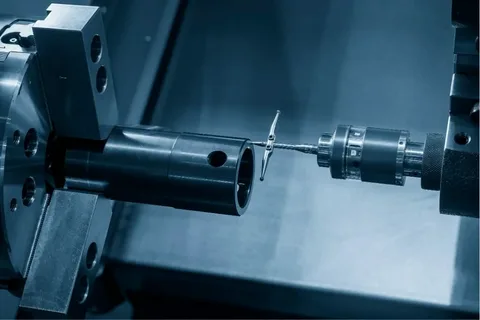
Modern CNC machines are designed with high precision in mind. They use computer-controlled systems that eliminate much of the human error associated with manual machining. In tight tolerance CNC machining services, these machines are the foundation of accuracy.
However, even the best machines require monitoring and calibration to ensure consistent performance. Built-in sensors and real-time feedback systems help maintain dimensional accuracy during production.
Key points in CNC machine quality control:
- Use of multi-axis CNC machines for complex geometries
- Automated calibration systems for precision maintenance
- Real-time monitoring of tool wear and machining conditions
- Computer-aided design (CAD) and manufacturing (CAM) integration
These technologies allow manufacturers to detect issues early in the process. For example, tool wear can be adjusted automatically before it affects the final product.
Machine maintenance schedules are also critical. Regular inspection and recalibration ensure that machines continue to operate within required tolerances.
Inspection Techniques in Tight Tolerance CNC Machining
Inspection is one of the most important stages in quality control. In tight tolerance CNC machining services, every part is carefully measured to ensure it meets design specifications. This is done using highly advanced measurement tools and systems.
Inspection is not limited to the final product. It is often performed at multiple stages during production to detect deviations early and reduce waste.
Key inspection methods include:
- Coordinate Measuring Machines (CMM) for precise dimensional checks
- Optical comparators for surface and shape verification
- Laser scanning for non-contact measurement
- In-process inspection during machining operations
CMM machines are especially important because they provide highly accurate 3D measurements. They ensure that even microscopic deviations are detected.
In addition, digital inspection systems allow manufacturers to compare real-time data with CAD models. This helps maintain consistency across large production batches.
Material Selection and Its Impact on Quality Control
Material choice plays a significant role in maintaining tight tolerances. Different materials react differently during machining due to heat, pressure, and cutting forces. In tight tolerance CNC machining services, selecting the right material is critical to achieving consistent results.
Some materials expand or contract during machining, which can affect final dimensions. Therefore, engineers must carefully evaluate material properties before production begins.
Key factors in material quality control:
- Thermal expansion and contraction behavior
- Machinability and hardness levels
- Resistance to deformation under stress
- Consistency in material composition
Metals like aluminum and stainless steel are commonly used due to their stability and machinability. However, advanced alloys may require specialized machining techniques.
Material testing is also performed before production. This ensures that raw materials meet required standards and reduces the risk of defects during machining.
Human Expertise and Process Control in CNC Machining
While technology plays a major role, human expertise is equally important in maintaining quality. Skilled machinists and engineers oversee the entire process in tight tolerance CNC machining services to ensure everything runs smoothly.
Process control involves monitoring every stage of production, from programming to final inspection. Even minor adjustments can have a significant impact on the final result.
Key aspects of process control:
- Skilled operators for machine programming and setup
- Continuous monitoring of machining parameters
- Strict adherence to quality assurance protocols
- Documentation and traceability of production steps
Experienced machinists can identify potential issues before they become serious problems. Their knowledge helps optimize machine settings for better accuracy and efficiency.
Training and certification programs are also essential. They ensure that operators are familiar with the latest technologies and quality standards in the industry.
Conclusion
Quality control is the foundation of success in tight tolerance CNC machining services. From advanced machinery and precise inspection techniques to careful material selection and skilled human oversight, every element plays a critical role in achieving high accuracy and consistency.
As industries continue to demand more precise and complex components, the importance of quality control will only increase. Manufacturers that invest in strong quality assurance systems will not only reduce errors and waste but also deliver superior products that meet the highest standards of performance and reliability.