
Sports activities help people stay healthy, active, and strong. Athletes train hard to improve their performance and achieve better results in their chosen sports. However, repeated movements, sudden falls, and high physical pressure can sometimes lead to serious injuries. Among these injuries, elbow problems are very common in both professional and amateur athletes.
Many athletes who experience long-term pain, swelling, or limited arm movement may eventually need elbow surgery for athletes to return safely to their sport. These injuries can affect performance, daily activities, and overall quality of life if they are not treated properly.
The elbow is an important joint that allows the arm to bend, straighten, lift, and throw. It is used constantly in sports such as tennis, baseball, cricket, golf, weightlifting, gymnastics, boxing, and volleyball. Because of this heavy use, the elbow can easily become injured over time.
This article explains the most common elbow injuries in athletes that may require surgery, their symptoms, causes, treatment options, recovery process, and ways to prevent future injuries.
Understanding the Elbow Joint
The elbow is made up of three bones:
- Humerus (upper arm bone)
- Radius (forearm bone)
- Ulna (forearm bone)
These bones are connected by muscles, tendons, ligaments, and cartilage. The elbow works like a hinge and allows both movement and stability.
Athletes depend on healthy elbow function for strength, flexibility, and accuracy. Even a small injury can affect sports performance significantly.
Why Athletes Are at Higher Risk of Elbow Injuries
Athletes place repeated stress on their elbows during training and competition. Some sports require frequent throwing, swinging, lifting, or pushing movements that can damage tissues over time.
Common risk factors include:
- Repetitive arm motions
- Poor training techniques
- Overtraining
- Sudden impact or falls
- Weak muscles around the joint
- Lack of proper warm-up
- Playing through pain
- Previous elbow injuries
When these factors continue for a long time, small injuries can become severe enough to require surgery.
Common Symptoms of Serious Elbow Injuries
Athletes should never ignore elbow pain. Early treatment can often prevent surgery. Common warning signs include:
- Persistent elbow pain
- Swelling around the joint
- Weak grip strength
- Stiffness
- Difficulty bending or straightening the arm
- Popping or locking sensation
- Tingling or numbness
- Reduced sports performance
- Pain during throwing or lifting
If symptoms continue despite rest and physiotherapy, medical evaluation becomes important.
1. Ulnar Collateral Ligament (UCL) Injury
One of the most common serious elbow injuries in athletes is a UCL injury. The ulnar collateral ligament is located on the inner side of the elbow and helps stabilize the joint during throwing motions.
Sports Commonly Affected
- Baseball
- Cricket
- Javelin throw
- Tennis
- Volleyball
Causes
Repeated throwing puts heavy stress on the ligament. Over time, the ligament may stretch, weaken, or tear completely.
Symptoms
- Pain on the inner side of the elbow
- Reduced throwing speed
- Weakness in the arm
- Feeling of instability
- Tingling in fingers
When Surgery Is Needed
Minor injuries may improve with rest and therapy. However, complete tears often require surgery, especially for professional athletes.
A common procedure is Tommy John surgery, where the damaged ligament is replaced with a tendon from another part of the body.
Recovery
Recovery can take 9 to 18 months depending on the sport and severity of the injury.
2. Tennis Elbow (Lateral Epicondylitis)
Tennis elbow is another very common condition seen in athletes. It affects the tendons on the outer side of the elbow.
Despite the name, it can occur in many sports and activities.
Sports Commonly Affected
- Tennis
- Badminton
- Squash
- Weightlifting
- Baseball
Causes
Repeated gripping and wrist movements cause small tendon tears.
Symptoms
- Pain on the outside of the elbow
- Weak grip strength
- Pain while lifting objects
- Difficulty holding sports equipment
Non-Surgical Treatment
Most athletes recover with:
- Rest
- Ice therapy
- Physiotherapy
- Bracing
- Anti-inflammatory medications
When Surgery Is Needed
If pain continues for several months despite treatment, surgery may be recommended to remove damaged tissue and repair healthy tendons.
Recovery Time
Most athletes return to sports within 4 to 6 months after surgery.
3. Golfer’s Elbow (Medial Epicondylitis)
Golfer’s elbow affects the tendons on the inner side of the elbow. It is similar to tennis elbow but occurs on the opposite side.
Sports Commonly Affected
- Golf
- Baseball
- Weightlifting
- Rock climbing
- Throwing sports
Causes
Repeated wrist flexion and gripping movements place stress on the tendons.
Symptoms
- Inner elbow pain
- Weakness in hands and wrists
- Tingling sensations
- Stiffness
Surgical Treatment
Surgery may be needed when tendon damage becomes severe and conservative treatments fail.
The procedure usually involves removing damaged tendon tissue and repairing healthy structures.
4. Elbow Fractures in Athletes
Elbow fractures are serious injuries caused by sudden trauma.
Common Causes
- Falling during sports
- Direct impact
- Collisions
- High-speed accidents
Types of Elbow Fractures
- Radial head fractures
- Olecranon fractures
- Distal humerus fractures
Symptoms
- Severe pain
- Swelling
- Bruising
- Inability to move the arm
- Visible deformity
Surgical Need
Surgery is often required when bones are displaced or unstable. Plates, screws, or pins may be used to repair the fracture.
Recovery
Recovery may take several months along with rehabilitation exercises.
5. Elbow Dislocation
An elbow dislocation occurs when the bones move out of their normal position.
Causes
This usually happens after:
- Falling on an outstretched hand
- Contact sports injuries
- Gymnastics accidents
Symptoms
- Severe pain
- Visible joint deformity
- Swelling
- Limited movement
Treatment
Simple dislocations may be treated without surgery. However, surgery is needed if:
- Ligaments are torn
- Bones are fractured
- Joint stability is poor
Rehabilitation
Physical therapy is important to restore strength and flexibility.
6. Distal Biceps Tendon Tear
The distal biceps tendon connects the biceps muscle to the forearm bones.
Sports Commonly Affected
- Weightlifting
- Bodybuilding
- Wrestling
- Football
Causes
Heavy lifting or sudden force can tear the tendon.
Symptoms
- Sudden sharp pain
- Bruising
- Weakness while lifting
- Bulging appearance in the upper arm
Surgical Treatment
Athletes often require surgery to reattach the tendon and restore strength.
Without surgery, arm power may decrease significantly.
7. Triceps Tendon Rupture
This injury affects the tendon connecting the triceps muscle to the elbow.
Causes
- Heavy lifting
- Direct trauma
- Sudden forceful extension
Symptoms
- Pain at the back of the elbow
- Weakness
- Swelling
- Difficulty straightening the arm
Surgery
Complete tears usually require surgical repair to restore normal arm function.
8. Osteochondritis Dissecans (OCD) of the Elbow
This condition affects young athletes and occurs when bone and cartilage lose blood supply.
Sports Commonly Affected
- Baseball
- Gymnastics
- Tennis
Symptoms
- Pain during activity
- Elbow locking
- Swelling
- Reduced range of motion
Treatment
Mild cases may heal with rest. Severe damage often requires surgery to repair or remove loose cartilage fragments.
9. Cubital Tunnel Syndrome in Athletes
This condition happens when the ulnar nerve becomes compressed near the elbow.
Causes
- Repeated elbow bending
- Throwing activities
- Direct pressure on the elbow
Symptoms
- Numbness in fingers
- Tingling sensation
- Weak grip
- Hand weakness
Surgery
When symptoms become severe or nerve damage develops, surgery may relieve pressure on the nerve.
Diagnosis of Elbow Injuries
Doctors use several methods to diagnose elbow injuries accurately.
Physical Examination
The doctor checks:
- Pain areas
- Swelling
- Joint stability
- Strength
- Range of motion
Imaging Tests
These may include:
- X-rays
- MRI scans
- CT scans
- Ultrasound
These tests help identify ligament tears, fractures, tendon injuries, and cartilage damage.
Non-Surgical Treatment Before Considering Surgery
Doctors usually recommend conservative treatment first whenever possible.
Common Non-Surgical Methods
Rest and Activity Modification
Avoiding painful movements helps reduce stress on the elbow.
Ice Therapy
Ice reduces swelling and pain.
Medications
Anti-inflammatory medicines help control discomfort.
Physiotherapy
Exercises improve flexibility, strength, and healing.
Bracing
Elbow braces support the joint during recovery.
Injections
Some athletes may receive steroid or platelet-rich plasma (PRP) injections.
If these methods fail after several months, surgery may become necessary.
Modern Surgical Techniques for Elbow Injuries
Medical technology has improved greatly in recent years. Many procedures are now less invasive and allow faster recovery.
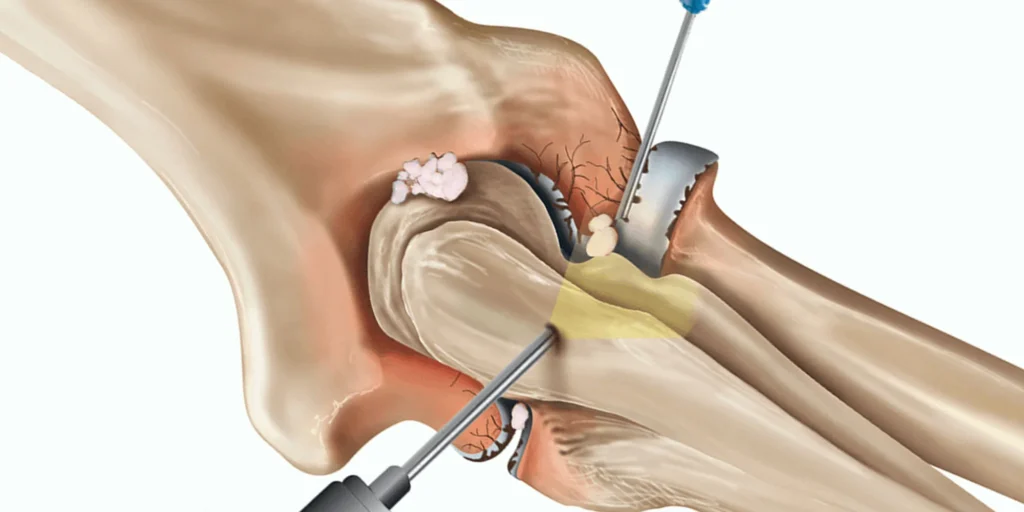
Arthroscopic Surgery
This minimally invasive technique uses small instruments and cameras inserted through tiny cuts.
Benefits include:
- Smaller scars
- Less pain
- Faster healing
- Reduced infection risk
Ligament Reconstruction
Damaged ligaments are replaced using healthy tendons.
Tendon Repair
Torn tendons are reattached to the bone.
Fracture Fixation
Metal plates and screws stabilize broken bones.
Recovery After Elbow Surgery
Recovery depends on:
- Type of injury
- Surgical procedure
- Athlete’s age
- Physical condition
- Rehabilitation effort
Rehabilitation Stages
Early Recovery
- Pain management
- Swelling control
- Gentle movement exercises
Strengthening Phase
- Muscle strengthening
- Stability training
- Flexibility exercises
Return-to-Sport Training
- Sport-specific exercises
- Gradual return to competition
- Monitoring by specialists
Athletes must follow medical advice carefully to avoid re-injury.
Preventing Elbow Injuries in Athletes
While not all injuries can be prevented, athletes can lower their risk significantly.
Proper Warm-Up
Stretching and warm-up exercises prepare muscles and joints.
Correct Technique
Learning proper sports mechanics reduces stress on the elbow.
Strength Training
Strong shoulder, arm, and wrist muscles support the elbow.
Adequate Rest
Rest days help tissues recover and prevent overuse injuries.
Early Medical Attention
Treating pain early prevents small injuries from becoming serious.
Avoid Overtraining
Excessive practice without recovery increases injury risk.
Psychological Impact of Elbow Injuries
Serious injuries can affect athletes emotionally as well as physically.
Athletes may experience:
- Frustration
- Stress
- Fear of re-injury
- Loss of confidence
- Anxiety about returning to sports
Support from medical professionals, family, coaches, and rehabilitation teams plays an important role during recovery.
Importance of Choosing the Right Specialist
Elbow injuries in athletes require expert evaluation and treatment. Sports medicine specialists and orthopedic surgeons understand the unique demands placed on athletes.
The right treatment plan focuses not only on healing but also on helping athletes return safely to peak performance.
Conclusion
Elbow injuries are common in athletes because the joint experiences constant stress during sports activities. Conditions such as UCL tears, tennis elbow, fractures, tendon ruptures, and nerve compression can severely affect athletic performance and daily life.
While many injuries improve with rest, therapy, and medications, some cases require elbow surgery for athletes to restore stability, strength, and movement. Early diagnosis and proper treatment are essential for successful recovery and safe return to sports.
Modern surgical techniques and rehabilitation programs have greatly improved outcomes for athletes with elbow injuries. With proper care, many athletes can recover fully and continue performing at a high level.
For athletes seeking expert guidance and advanced orthopedic care, consulting experienced specialists such as Dr Marouane Bouloudhnine can help ensure the best treatment and recovery approach.