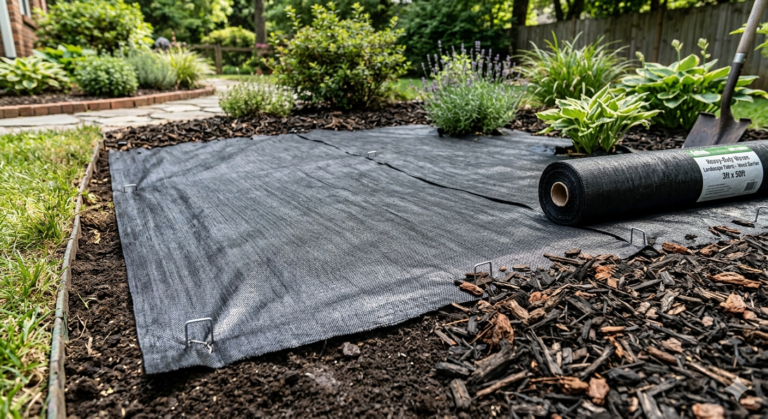

Commercial landscaping projects require long-lasting solutions that can effectively control weeds, improve soil stability, and reduce ongoing maintenance costs. One of the most widely used materials for these applications is polypropylene landscape fabric. Known for its durability, permeability, and resistance to environmental stress, polypropylene fabric has become an essential component in modern landscaping and ground stabilization projects.
However, choosing the right landscape fabric is not as simple as selecting the cheapest roll available. Commercial contractors, landscapers, and project managers must evaluate multiple factors including fabric type, durability, permeability, UV resistance, and installation requirements to ensure long-term performance.
This guide explains how to choose the right polypropylene landscape fabric for commercial landscaping projects and also covers important considerations regarding how to install weed barrier systems correctly for maximum effectiveness.
What Is Polypropylene Landscape Fabric?
Polypropylene landscape fabric is a woven or non-woven geotextile material designed to suppress weed growth while allowing air, water, and nutrients to pass through the soil. It is commonly used in:
- Commercial landscaping
- Highway projects
- Public parks
- Agricultural fields
- Hardscape installations
- Retaining wall systems
- Drainage applications
The material creates a physical barrier that prevents weeds from reaching sunlight while maintaining healthy soil conditions underneath.
Compared to traditional weed control methods, polypropylene fabric offers a more durable and cost-effective long-term solution for large commercial projects.
Why Commercial Landscapers Use Polypropylene Landscape Fabric
Commercial landscaping projects require materials that can withstand heavy traffic, harsh weather conditions, and long-term outdoor exposure. Polypropylene landscape fabric provides several important benefits:
- Effective weed suppression
- Excellent water permeability
- Reduced soil erosion
- Improved moisture retention
- Better soil stabilization
- Long service life
- Lower maintenance costs
These advantages make polypropylene fabric ideal for both decorative and functional landscaping applications.
Key Factors to Consider When Choosing Polypropylene Landscape Fabric
1. Woven vs Non-Woven Fabric
The first step in selecting the right polypropylene landscape fabric is understanding the difference between woven and non-woven materials.
Woven Polypropylene Landscape Fabric
Woven fabric is manufactured by weaving polypropylene tapes together to create a strong and durable structure. It is ideal for:
- Heavy-duty commercial landscaping
- Gravel pathways
- Under pavers
- Soil stabilization
- Erosion control
Woven fabrics generally provide higher tensile strength and better durability for long-term projects.
Non-Woven Polypropylene Landscape Fabric
Non-woven fabric is made by bonding polypropylene fibers together. It offers:
- Better water flow
- Superior filtration
- Flexible installation
Non-woven fabrics are commonly used in drainage systems and areas where high permeability is important.
For most commercial landscaping applications involving weed control and ground stabilization, woven polypropylene landscape fabric is often the preferred choice.
2. Fabric Weight and Thickness
Fabric weight directly affects durability and performance. Heavier fabrics are better suited for high-traffic commercial areas where long-term weed suppression is required.
Lightweight fabrics may work for temporary residential landscaping projects but often fail under commercial conditions.
When selecting polypropylene landscape fabric, contractors should evaluate:
- GSM (grams per square meter)
- Tear resistance
- Puncture resistance
- Expected traffic load
Commercial projects usually require medium to heavy-duty fabric grades for maximum lifespan.
3. Water Permeability
One of the biggest mistakes in landscape fabric selection is ignoring water permeability.
A high-quality polypropylene landscape fabric should allow water and nutrients to penetrate the soil while preventing weed growth. Poor permeability can lead to:
- Water pooling
- Soil compaction
- Root damage
- Drainage problems
For commercial landscaping projects, balancing weed suppression with proper drainage is critical for long-term landscape health.
4. UV Resistance
Commercial landscape fabrics are exposed to continuous sunlight, making UV resistance an important factor.
UV-stabilized polypropylene fabric offers:
- Longer outdoor lifespan
- Reduced material degradation
- Better structural performance
- Improved durability in extreme climates
Projects in high-temperature or high-UV regions should always prioritize UV-protected materials.
5. Intended Application
Different landscaping applications require different fabric specifications.
Decorative Landscaping
For decorative rock beds and mulch areas, lightweight to medium-weight fabric may be sufficient.
Hardscape Installations
For pavers, walkways, and retaining walls, stronger woven polypropylene fabric is recommended for soil stabilization.
Drainage Systems
Non-woven fabrics are often preferred in drainage applications because of their superior filtration capabilities.
Agricultural Landscaping
Agricultural and commercial farming applications may require UV-resistant weed barrier fabrics designed for long-term exposure.
Choosing the correct specification based on the project environment helps improve performance and reduce replacement costs.
Understanding How to Install Weed Barrier Correctly
Even the highest-quality polypropylene landscape fabric can fail if installed incorrectly. Understanding how to install weed barrier systems properly is essential for commercial landscaping success.
Step 1: Prepare the Ground
Remove all existing weeds, grass, rocks, and debris from the installation area. Uneven surfaces can damage the fabric over time.
Step 2: Level the Soil
Grade and compact the soil to create a smooth and stable surface before laying the fabric.
Step 3: Roll Out the Landscape Fabric
Lay the polypropylene landscape fabric evenly across the area while minimizing wrinkles and gaps.
For large commercial installations, overlapping fabric edges by 6 to 12 inches helps prevent weed penetration.
Step 4: Secure the Fabric
Use landscape staples or pins to secure the material firmly into the ground. Proper anchoring prevents shifting caused by wind or foot traffic.
Step 5: Cut Openings for Plants
If plants or irrigation systems are required, cut small X-shaped openings in the fabric rather than large holes to maintain weed control effectiveness.
Step 6: Add Mulch or Decorative Stone
Cover the landscape fabric with mulch, gravel, or decorative stone to improve appearance and protect the fabric from UV exposure.
Correct installation significantly improves the lifespan and effectiveness of the weed barrier system.
Common Mistakes to Avoid
Commercial landscapers should avoid several common installation and material selection mistakes:
- Using lightweight fabric for heavy-duty applications
- Ignoring drainage requirements
- Installing fabric over existing weeds
- Failing to overlap seams properly
- Using poor-quality UV protection
- Not securing the fabric adequately
These issues often lead to premature failure and higher maintenance costs.
Why Material Quality Matters
Low-quality landscape fabric may initially reduce project costs, but it often deteriorates quickly under commercial conditions.
A premium polypropylene landscape fabric offers:
- Better weed suppression
- Longer service life
- Improved drainage
- Higher tear resistance
- Reduced maintenance expenses
Working with a reliable manufacturer ensures consistent product quality and better long-term project performance.
Conclusion
Selecting the right polypropylene landscape fabric is essential for achieving durable and low-maintenance commercial landscaping results. Factors such as fabric type, weight, permeability, UV resistance, and intended application all play a critical role in performance.
Equally important is understanding how to install weed barrier systems correctly to maximize weed control and extend material lifespan.
For commercial landscaping contractors and project managers, investing in high-quality polypropylene landscape fabric provides long-term cost savings, improved landscape stability, and better overall project outcomes.