
Buying clothing online removes the need to visit physical stores, yet selecting the correct T-shirt size often becomes difficult. Sizes differ across brands, and labels like S, M, or L do not always match the same measurements everywhere. Fit affects comfort, appearance, and long-term satisfaction. A wrong size can lead to returns or wasted money. Understanding body measurements, fabric behavior, and sizing charts helps solve this issue. In industries like Custom T-shirt printing, accurate sizing becomes even more important because precise measurements directly affect final garment quality and wearer comfort.
Standard T-Shirt Size Charts
Size charts form the foundation of online T-shirt shopping. Every brand uses its own measurement standards, so a medium size in one store may not match another. Most charts include chest width, shoulder width, and shirt length as primary indicators. Regional differences between US, UK, and EU sizing also create variation. Unisex sizing adds another layer of complexity because it follows a straight cut. Checking the exact chart provided by the seller ensures better accuracy and prevents mismatch between expectation and actual fit.
How to Measure Yourself Accurately (With Tips)
Proper measurement ensures a more reliable size selection. A soft measuring tape is the best tool for this process. Chest measurement should be taken around the widest part of the upper body while keeping the tape level. Shoulder width must be measured from one edge to the other in a straight line. Shirt length is taken from the top shoulder point to the desired hem length. Recording both inches and centimeters improves clarity. Assistance from another person helps avoid errors and ensures more precise results for online shopping.
Step-by-Step Measurement Process for Better Accuracy
A structured approach improves measurement accuracy significantly. Start by standing straight in a relaxed posture without tightening the body. Wrap the tape around the chest while keeping breathing normal. Next, measure shoulder width carefully without sloping the tape. Move on to sleeve length if required for long-sleeve T-shirts. Double-check each value before recording. Avoid measuring over thick clothing as it may increase size inaccurately. Repeat the process twice for consistency. These steps help create a reliable size profile that can be used across multiple clothing brands online.
Compare Measurements with Product Size Charts
After collecting body measurements, the next step is matching them with product charts. Chest measurement is the most important reference point for T-shirts. Many brands also mention whether the fit is slim, regular, or oversized, which influences size selection. Fabric stretch and shrinkage details should also be reviewed before purchase. Some products may look similar in size but differ in actual fit due to design variations. Comparing all available details helps avoid confusion and ensures a more accurate match between body measurements and selected T-shirt size.
Understand Different Fit Types
Fit style determines how a T-shirt looks and feels on the body. Slim fit designs are closer to the body and provide a sharper appearance. Regular fit offers a balanced structure suitable for everyday wear. Oversized fit provides a loose and relaxed style, popular in casual fashion. Athletic fit focuses on a tapered design that highlights body shape. Boxy fit offers a straight cut with extra width. Understanding these categories helps shoppers select a style that matches comfort preference and intended usage.
Fabric Type and Its Impact on Sizing
Fabric plays a major role in how a T-shirt fits after purchase. Cotton fabric is comfortable but may shrink slightly after washing, affecting final size. Polyester blends are more stable and maintain shape over time. Stretch fabrics provide flexibility, allowing better movement and comfort. Heavyweight materials may feel tighter initially due to thickness. Lightweight fabrics offer a softer drape and looser appearance. Understanding fabric behavior helps predict how a T-shirt will perform after multiple washes and ensures better long-term satisfaction with online purchases.
Check Customer Reviews and Fit Feedback
Customer reviews provide real-world insights that size charts cannot always offer. Many buyers mention whether a T-shirt runs small, large, or true to size. Reviews that include body type details are especially helpful for comparison. Customer-uploaded images show actual fit and fabric behavior under real conditions. Repeated comments about sizing issues indicate inconsistency in production. Positive feedback across multiple users confirms reliability. Reading reviews carefully helps reduce uncertainty and improves confidence when selecting sizes from unfamiliar brands or online stores.
Return Policies and Size Exchange Options
Return policies provide a safety net for online clothing purchases. Stores with flexible return or exchange policies make shopping less risky. Most platforms offer return windows ranging from 7 to 30 days. Some allow free exchanges, while others charge handling fees. Keeping original packaging intact improves return eligibility. Final sale products usually cannot be exchanged, so checking product terms is important. Understanding return conditions before purchase ensures smoother resolution in case the selected T-shirt size does not match expectations after delivery.
Common Mistakes to Avoid When Choosing T-Shirt Sizes
Many sizing issues occur due to avoidable mistakes during online shopping. Ignoring size charts and relying only on S, M, or L labels leads to incorrect selection. Assuming all brands follow identical sizing standards creates confusion. Not considering fabric shrinkage affects long-term fit. Overlooking fit type results in style mismatch. Skipping review analysis removes valuable insights. Avoiding these mistakes improves accuracy and reduces return frequency. Careful attention to each detail ensures better fit selection and a more satisfying online shopping experience overall.
Importance of Consistency Across Brands
Consistency in sizing is one of the biggest challenges in online apparel shopping. Different manufacturers follow different measurement systems, which leads to variation in fit even within the same size label. Building awareness of brand-specific sizing patterns helps reduce confusion. Some brands are known for smaller cuts, while others offer relaxed fits. Keeping track of previous purchases helps create a personal sizing reference. This consistency-based approach improves future shopping accuracy and reduces the need for repeated returns or exchanges.
How Custom T-Shirt Printing Affects Sizing Choices
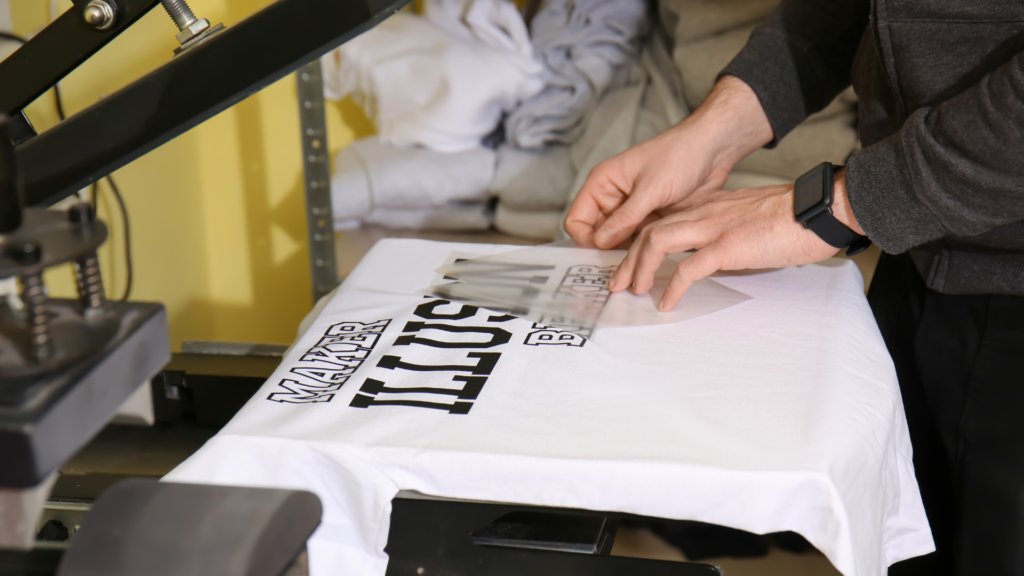
Custom T-shirt printing requires more precise sizing compared to regular retail purchases. Printed designs often depend on proper alignment, which can be affected by incorrect fit. A shirt that is too tight may distort the print, while an oversized one may affect design placement. Accurate measurements ensure that printed graphics appear correctly positioned. Many printing services provide detailed size guides to support buyers. Following those guidelines ensures better results, improved design appearance, and higher satisfaction with customized apparel products.
Final Buying Checklist for Online T-Shirts
A final checklist helps confirm the correct size before purchase. Verify chest, shoulder, and length measurements carefully. Match them with the brand’s official size chart. Confirm fit type preference such as slim or regular. Review fabric details for shrinkage or stretchability. Check customer feedback for sizing accuracy. Ensure return policy flexibility is available. Reviewing all these factors reduces uncertainty and improves decision-making. A structured checklist approach ensures more accurate T-shirt sizing and a smoother online shopping experience.
Conclusion
Selecting the right T-shirt size online requires careful attention to detail. Body measurements, size charts, fabric types, and customer feedback all play an important role in the decision-making process. Each factor contributes to better accuracy and reduces the risk of incorrect sizing. Applying a structured approach ensures comfort, style consistency, and better value for money. Whether purchasing casual wear or ordering from Custom T-shirt printing services, accurate sizing improves fit quality, enhances appearance, and reduces returns across all online apparel purchases.