




Introduction
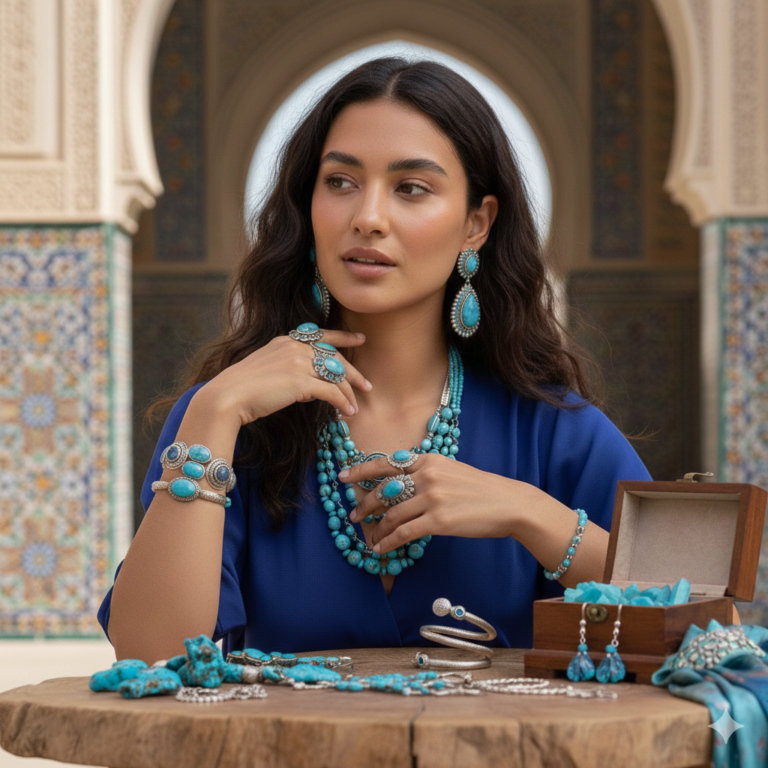
Turquoise has drawn in jewelry lovers and collectors for a long time. Its deep blue and green tones add personality to rings, necklaces, and handmade items. Many people go to real turquoise stone shops or check online stores to find well-made pieces that fit their taste and financial limits.
It seems hard to ignore how important it is to buy carefully. Without proper knowledge, shoppers risk getting fake or cheap stones. Understanding color, where the stone comes from, how it’s treated, and whether the seller is trustworthy can help make a smart choice. With the right facts, you can choose turquoise that fits well in your collection.
Real Turquoise Stone Quality and Authenticity
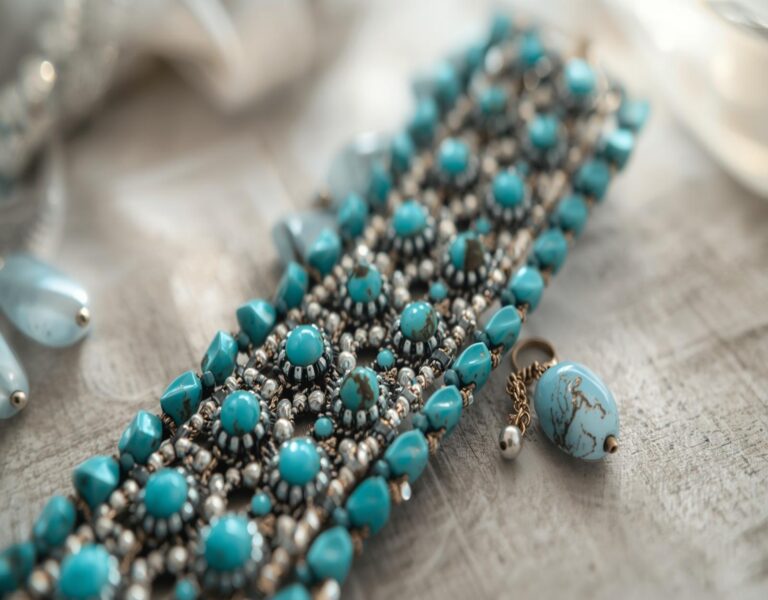
Color is often the first thing shoppers notice when buying turquoise. True turquoise typically shows sky blue, greenish blue, or dark teal tones. It may also have natural matrix patterns that form unique lines and spots. These natural features often let buyers know they have a real stone.
The texture and hardness provide more clues too. Real turquoise feels slightly waxy and smooth after polishing. Serious buyers often ask for certification or details about the seller before buying for personal use or design work.
Gemstones for Sale: Choosing the Right Seller
Trustworthy sellers simplify and protect the buying experience. Stores, local craft fairs, and well-known online gemstone sites usually offer good quality options labeled as Gemstones for Sale.
Customers should look at reviews and reputation before placing an order. Clear pricing and fair return rules help build confidence in a purchase.
Real Turquoise Colors and Types
Blue-green gems come in surprising colors. One might spot vivid sky-blue pieces, though earthy greens pop up too – trace elements shifting each hue. Choices stretch wide because of these natural differences, helping people find a unique genuine specimen.
Out of places like the U.S. Iran Tibet, or parts of China – turquoise comes shaped by its origin. A stone pulled from one area carries shades and webbing unlike any other. When choosing what feels right for them – or matches a design idea – a collector might lay several types side by side. Where it was found matters because each region stamps the mineral in ways you can see but not always name.
Stones that keep their look over time tend to catch a jeweler’s eye. Brightness matters, yet staying power matters more. People noticing those shades usually pick pieces they won’t regret later.
Market Prices and What Things Are Worth
Not every blue stone carries the same weight – some rise above just by how deep the hue runs. A hint of green might lower worth, unless the shade strikes true and bold. When cuts show clean, untouched veins running through like tiny rivers, buyers tend to pause longer. Larger pieces grab attention, yes – but only if the interior glow holds steady. What sits beneath the surface, a web of host rock traces, sometimes lifts price without warning.
When market patterns shift, gem values tend to follow. Those who collect or craft jewelry keep an eye on costs to gauge how scarce or sought-after a stone might be. By comparing prices thoughtfully, shoppers spot better gems while staying within spending limits.
Nowhere is the variety of gems more clear than in today’s marketplace. Rhodochrosite stone price often draws attention when people study what decorative rocks cost over time. Looking at these differences opens up how worth shifts between types. Buyers slowly see patterns once they compare across kinds.
Real Turquoise Stone Treatments and Care
Some turquoise stones get stabilization or enhancement. These treatments help the stone last longer and stay bright. Buyers should always ask sellers if a stone has been treated before buying it.
Taking good care helps turquoise stay colorful. Don’t use strong cleaners, expose it to very hot things, or drop it often. Keep the stone in a soft bag or jewelry box to avoid scratches. Wiping it gently with a soft cloth keeps its natural look.
Jewelry makers often apply a protective coating to turquoise items. This helps the color stay true and guards against moisture or oils from skin. Handling the piece carefully helps it stay attractive over time.
Tips for Smart Turquoise Shopping
Smart shoppers usually look at several sellers before buying. Clear photos and full descriptions give good info about color and texture. Buyers also benefit from asking about where the stone came from, whether it’s been treated, and if it’s real.
Another useful step is checking for gemstone certifications or seller promises. Trusted sellers often share this with customers who want to feel confident in their choice. These small actions can help you find a real turquoise stone without too much risk.
Many experienced collectors begin with smaller stones before going bigger. This lets new buyers learn how quality differs while growing their collection slowly. (Some say starting small makes the whole process less overwhelming.)
Real Turquoise Stone Treatments and Care
Some turquoise stones get stabilization or enhancement. These treatments help the stone last longer and stay bright. Buyers should always ask sellers if a stone has been treated before buying it.
Taking good care helps turquoise stay colorful. Don’t use strong cleaners, expose it to very hot things, or drop it often. Keep the stone in a soft bag or jewelry box to avoid scratches. Wiping it gently with a soft cloth keeps its natural look.
Jewelry makers often apply a protective coating to turquoise items. This helps the color stay true and guards against moisture or oils from skin. Handling the piece carefully helps it stay attractive over time.
Tips for Smart Turquoise Shopping
Smart shoppers usually look at several sellers before buying. Clear photos and full descriptions give good info about color and texture. Buyers also benefit from asking about where the stone came from, whether it’s been treated, and if it’s real.
Another useful step is checking for gemstone certifications or seller promises. Trusted sellers often share this with customers who want to feel confident in their choice. These small actions can help you find a real turquoise stone without too much risk.
Many experienced collectors begin with smaller stones before going bigger. This lets new buyers learn how quality differs while growing their collection slowly. (Some say starting small makes the whole process less overwhelming.)
Conclusion
Turquoise is still widely loved in jewelry and handmade items. Its different shades and unique markings offer a wide range of creative options. Careful study allows buyers to spot real stones and good quality when choosing turquoise.
Buying from trustworthy sources, getting fair prices, and handling the gem properly help make a smart decision. When you know these key points, you can pick turquoise that brings both style and worth to your items.