Custom apparel provides a creative way to express individuality, design personal clothing, or launch a small business. Beginners may feel intimidated by the process, but tools like direct to film (DTF) transfers have simplified production. Modern methods allow newcomers to achieve professional-looking results with minimal experience or investment. Understanding the basics, choosing suitable tools, and following structured steps make the journey manageable. Anyone can start small, experiment, and gradually improve, turning simple ideas into high-quality, wearable designs that stand out.
The Basics of Custom Apparel
Custom apparel involves designing, printing, and applying artwork or text to garments. Beginners should understand fabric types, design placement, and printing options. Common apparel items include T-shirts, hoodies, jackets, and hats. Each fabric reacts differently to heat, pressure, and transfer methods, affecting the outcome. Learning about these variables helps avoid mistakes and ensures consistent results. By mastering the fundamentals, beginners build confidence, understand workflow from concept to finished product, and create durable designs that maintain appearance through washing and daily wear.
Why Custom Apparel Is Beginner-Friendly Today
Technological improvements have made creating custom clothing accessible. Affordable equipment, user-friendly software, and detailed online tutorials remove many entry barriers. Small-scale setups let beginners experiment without high costs, allowing trial and error in a manageable way. Methods like DTF printing provide fast, consistent results across multiple fabric types. This accessibility encourages creativity and practical learning, turning hobbies into potential income streams. Beginners can start with single pieces, grow gradually, and develop skills while understanding production requirements. The modern approach transforms a once complex process into an approachable creative venture.
Essential Tools and Materials to Get Started
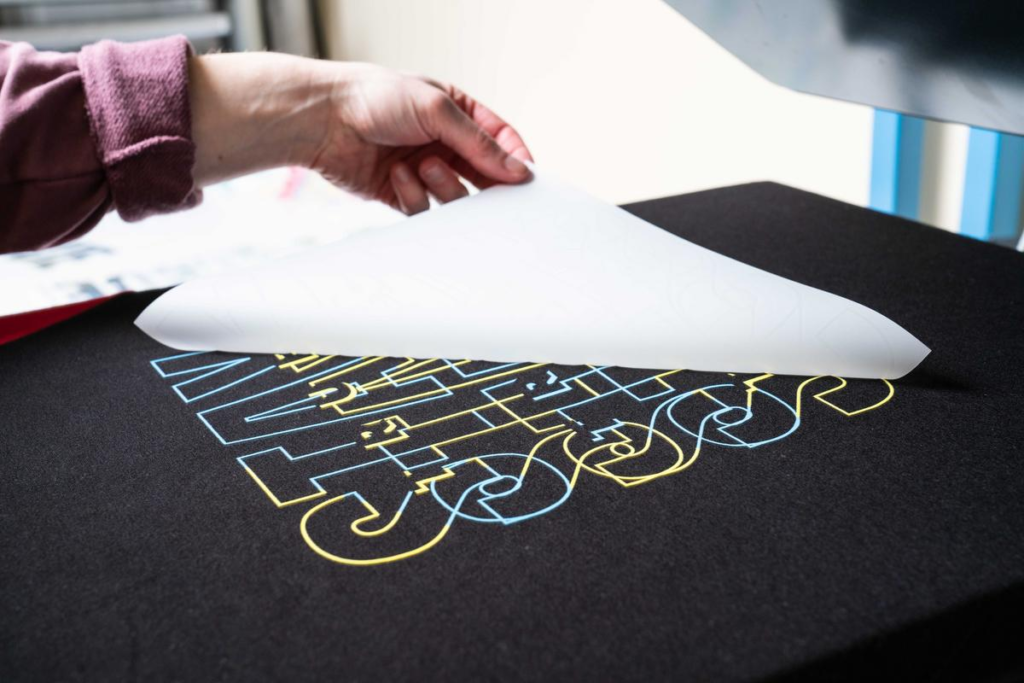
Starting custom apparel requires only basic equipment and materials. A heat press machine ensures accurate temperature and pressure, while transfer materials like DTF films or vinyl carry designs onto fabric. Blank garments provide a base for testing and creating products. Design software, ranging from beginner-friendly apps to professional tools, allows artwork creation and editing. Selecting reliable, high-quality materials increases the success rate and confidence. Beginners should invest carefully, focus on essentials, and avoid unnecessary tools early. A small setup can produce professional results while keeping costs low and learning manageable.
Choosing the Right Printing Method
Selecting a printing method influences the design’s quality, durability, and ease of application. Options include screen printing, sublimation, heat transfer vinyl, and DTF transfers. Screen printing works best for bulk production, sublimation suits polyester fabrics, vinyl adds texture, and DTF is versatile for different textiles. Beginners benefit from methods with minimal setup and consistent results, such as DTF transfers. Factors like budget, garment type, and design complexity guide the choice. Understanding each method’s requirements and limitations ensures smoother execution and prevents common issues like peeling, fading, or misalignment during application.
Designing Your First Apparel Pieces
Design is the heart of custom apparel. Beginners should start with simple, clear concepts that communicate style or message effectively. Focus on color contrast, legibility, and proper placement. Templates and beginner-friendly design software help streamline the creation process, reducing errors and wasted materials. Gradually experimenting with more complex designs builds skills while maintaining quality. Consistency in theme and aesthetic improves overall appeal. Understanding color theory and garment proportions ensures designs look professional. Attention to detail during the design phase minimizes rework and enhances satisfaction with the final product.
Step-by-Step Process to Create Custom Apparel
- Select garments suitable for your design and material type.
- Create or finalize your design using design software.
- Prepare your chosen printing method or transfer material.
- Apply the design using a heat press, sublimation unit, or appropriate method.
- Allow the garment to cool to ensure the design sets properly.
- Inspect the finished product for quality, alignment, and durability.
Following these steps helps beginners maintain consistent quality, avoid errors, and understand the workflow from design to finished product.
Common Mistakes Beginners Should Avoid
Common mistakes slow learning and reduce the quality of results. Avoid using low-grade garments or transfer materials, which may peel or fade quickly. Rushing heat press or sublimation steps can distort designs or cause uneven adhesion. Overlooking alignment, garment preparation, or washing instructions leads to unsatisfactory results. Beginners should pay attention to pressure, temperature, and dwell time for each transfer method. Documenting processes, noting what works best for different fabrics, and practicing regularly prevent repeated mistakes. Awareness and careful preparation improve outcomes, reduce material waste, and accelerate skill development.
Tips for Improving Your Skills
Consistency and experimentation accelerate skill growth. Beginners should practice with various fabrics, printing techniques, and design styles to discover optimal approaches. Joining online communities, watching tutorials, and seeking feedback from experienced creators provides practical insights. Tracking mistakes and adjustments helps refine processes over time. Small-scale testing allows exploration of new ideas without high costs. Emphasizing patience, attention to detail, and continuous learning ensures improvements in both design quality and production efficiency. Mastery develops gradually, making complex projects manageable as skills expand.
Turning Your Hobby into a Business
Custom apparel can evolve into a profitable business once skills and confidence grow. Begin with a small collection, test designs, and share products online or via social media. Understanding target audiences, trends, and pricing strategies increases market success. Unique designs and quality craftsmanship differentiate new businesses in competitive markets. As sales increase, investment in better equipment, bulk materials, and advanced techniques becomes feasible. Gradual expansion allows careful scaling while maintaining quality. Strategic promotion, professional presentation, and consistent product improvement transform a creative hobby into a sustainable business opportunity.
Conclusion
Beginners can successfully create custom apparel with simple tools, practical steps, and DTF transfers. Understanding fundamentals, choosing suitable methods, and practicing consistently results in professional-looking designs. Avoiding mistakes, learning from experience, and gradually experimenting with new ideas builds confidence. Custom apparel offers personal expression, hobby enjoyment, and potential business opportunities. By starting small, focusing on quality, and steadily improving skills, beginners can turn creative ideas into wearable art, producing garments that impress and inspire.
FAQs
What is the easiest method for beginners?
DTF transfers are beginner-friendly, versatile, and provide consistent results on multiple fabric types.
How much does it cost to start creating custom apparel?
A basic setup costs $200–$500, covering a heat press, transfers, blank garments, and design software.
Can beginners use complex designs?
Starting simple is best. Gradually add complexity as confidence and skills grow.
How do I prevent designs from peeling or fading?
Follow recommended heat, pressure, and cooling instructions. Using quality materials ensures durability.
Can a hobby turn into a profitable business?
Yes. Small collections, social media promotion, and unique designs can generate revenue and grow into a sustainable business.