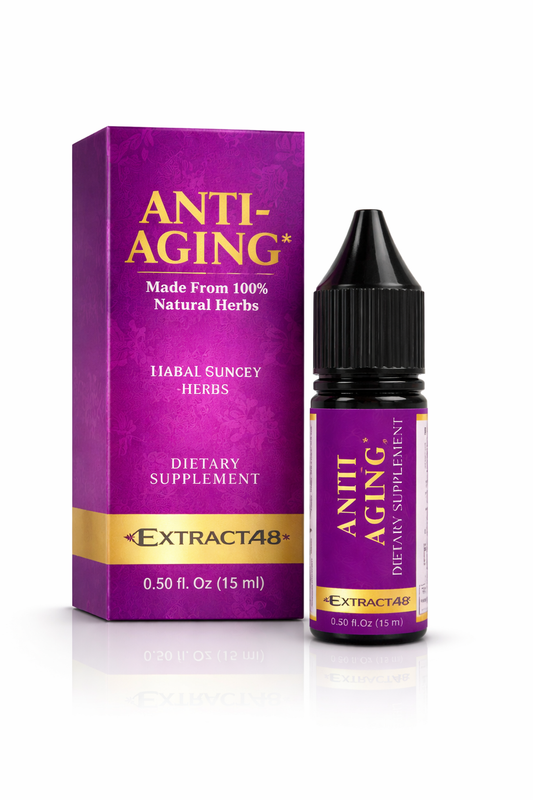


Liquid herbal extracts have been used for centuries to harness the healing properties of plants in their most potent and bioavailable form. These concentrated solutions offer a convenient and effective way to incorporate botanical medicine into your daily wellness routine, whether you’re addressing specific health concerns or simply supporting overall vitality. Modern extraction techniques have made these powerful remedies more accessible than ever, bringing ancient wisdom into contemporary health practices.
What Are Liquid Herbal Extracts And How Do They Work?
Liquid herbal extracts are concentrated forms of medicinal plants created by soaking plant material in a solvent like alcohol, glycerin, or water to pull out the active compounds. This process, called maceration, allows the beneficial phytochemicals, essential oils, and nutrients to dissolve into the liquid, creating a potent remedy that captures the plant’s full therapeutic profile. Unlike dried herbs or capsules, liquid extracts preserve the plant’s volatile compounds that might be lost during drying or processing. When you take a liquid extract, the medicine is already in solution form, which means your body can absorb it more quickly and efficiently than solid forms that must first be broken down by digestion. The alcohol or glycerin base also acts as a preservative, allowing extracts to maintain their potency for several years when stored properly. This combination of potency, bioavailability, and shelf stability makes liquid herbal extracts a preferred choice for herbalists and health-conscious individuals seeking natural solutions for wellness.
Why Choose Liquid Herbal Extracts Over Other Supplement Forms?
Liquid herbal extracts offer several distinct advantages that make them superior to capsules, tablets, and dried herbs in many situations. The most significant benefit is bioavailability—since the active compounds are already dissolved, your body doesn’t need to break down plant cell walls or digest fillers before accessing the medicine. This means faster absorption and more immediate effects, which is particularly valuable when addressing acute symptoms like stress, digestive upset, or immune challenges. Liquid extracts also provide flexible dosing, allowing you to adjust amounts based on your specific needs rather than being locked into pre-measured capsules. Many people find it easier to take a few drops in water or juice than swallowing multiple pills, especially children or those with difficulty swallowing. The concentration of liquid extracts means you get more medicinal value per dose compared to dried herbs, where potency can vary significantly based on growing conditions, harvest time, and storage. For those seeking premium botanical extracts, liquid forms ensure you’re getting the full spectrum of plant compounds working synergistically rather than isolated constituents that may be less effective. Additionally, liquid extracts can be combined easily, allowing you to create custom blends tailored to your unique health goals.
How To Select High-Quality Herbal Extracts For Your Needs?
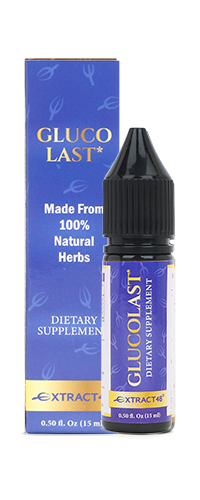
Choosing high-quality liquid herbal extracts requires attention to several key factors that determine potency, safety, and effectiveness. Start by looking for products that specify the plant part used, as roots, leaves, flowers, and berries contain different concentrations of active compounds. Reputable manufacturers will list the extraction ratio, such as 1:2 or 1:5, indicating how much plant material was used relative to the final liquid volume—lower ratios generally mean more concentrated extracts. Check whether the product uses organic or wildcrafted herbs, as conventionally grown plants may contain pesticide residues that become concentrated during extraction. The solvent matters too; alcohol extracts tend to pull out the widest range of compounds, while glycerin-based options work well for those avoiding alcohol or giving extracts to children. Look for companies that provide third-party testing for purity and potency, ensuring the product is free from contaminants like heavy metals or microbes. Avoid extracts with artificial colors, flavors, or unnecessary additives that dilute the medicine. Transparent companies will also share information about sourcing, manufacturing practices, and sustainability efforts. Reading customer reviews and consulting with qualified herbalists can help you identify brands that consistently deliver quality products worth investing in for your health.
What Health Benefits Can You Expect From Herbal Extracts?
Liquid herbal extracts support virtually every aspect of health, offering natural alternatives or complements to conventional treatments. Adaptogenic herbs like ashwagandha, rhodiola, and holy basil help your body manage stress by regulating cortisol levels and supporting adrenal function. Immune-supporting extracts such as echinacea, elderberry, and astragalus can reduce the frequency and duration of colds while strengthening your body’s natural defenses. Digestive herbs like ginger, peppermint, and dandelion root soothe upset stomachs, reduce bloating, and support healthy liver function. Nervous system tonics including passionflower, lemon balm, and valerian promote relaxation and improve sleep quality without the grogginess associated with pharmaceutical sleep aids. Anti-inflammatory herbs like turmeric, boswellia, and willow bark address chronic pain and inflammation underlying many modern health conditions. Hormone-balancing extracts such as chasteberry, maca, and red clover support reproductive health through life transitions like menopause or PMS. Cardiovascular herbs like hawthorn and garlic support healthy blood pressure and circulation. The beauty of herbal medicine is its holistic approach—rather than targeting single symptoms, herbs work with your body’s innate healing intelligence to restore balance and vitality across multiple systems simultaneously.
How To Incorporate Liquid Extracts Into Your Daily Routine?
Integrating liquid herbal extracts into your daily life is simple and can become an enjoyable ritual that supports your wellness goals. Most extracts are taken in dropperful amounts, typically 30 to 60 drops, one to three times daily depending on the herb and your needs. Many people find it easiest to take their extracts first thing in the morning, either directly under the tongue for fastest absorption or mixed into a small amount of water or juice. Some herbs work best at specific times—energizing adaptogens like rhodiola are ideal for morning use, while calming herbs like valerian or passionflower work well in the evening before bed. You can create custom blends by combining multiple extracts in a single glass of water, making it easy to address several health goals simultaneously. Keep your extracts visible on your kitchen counter or next to your toothbrush as a visual reminder to take them consistently. Travel-sized bottles make it easy to maintain your routine when away from home. Start with lower doses when trying new extracts, gradually increasing as you observe how your body responds. Keep a simple journal noting which extracts you’re taking and any changes you notice in energy, mood, sleep, or specific symptoms. This helps you identify what’s working and adjust your protocol as your health needs evolve over time.
Conclusion
Liquid herbal extracts offer a time-tested, scientifically-supported approach to wellness that honors the intelligence of nature while fitting seamlessly into modern life. Whether you’re addressing specific health concerns or simply seeking to optimize your vitality, these concentrated plant medicines provide safe, effective support without the side effects of many pharmaceutical options. The key is choosing quality products from trusted sources, using them consistently, and paying attention to how your body responds. Start with one or two herbs that address your primary health goals, learn how they affect you, and gradually build a personalized protocol that supports your unique wellness journey.