

Back pain is one of the most common reasons people visit a doctor or miss work. Whether it’s a dull, constant ache or a sudden, sharp jolt, back pain can turn a productive day into a struggle. If you are reading this, you are likely part of the millions looking for an effective back pain treatment to get back to the things you love.
The good news is that for many, back pain is temporary and can be managed effectively with the right approach. In this guide, we will break down the causes of back pain, explore various evidence-based treatment options, and offer advice on when it’s time to see a specialist.
Understanding Why Your Back Hurts
Before jumping into a treatment plan, it’s important to understand why pain occurs. The human spine is a complex structure of bones, joints, ligaments, tendons, and muscles. Any of these components can become irritated.
Common culprits include:
- Muscle Strain: Often caused by heavy lifting or sudden, awkward movements.
- Poor Posture: Prolonged sitting, especially while slouching at a desk, puts undue stress on the lumbar spine.
- Herniated Discs: When the soft cushion between your vertebrae bulges or ruptures, pressing on nerves.
- Degenerative Changes: Conditions like osteoarthritis or spinal stenosis, which occur as we age.
Identifying the root cause is the first step toward effective back pain treatment.
Immediate Strategies: The First 48–72 Hours
If your pain is recent and mild, you may be able to manage it at home. Most acute back pain follows a predictable healing path of 2 to 6 weeks.
1. The “Active Recovery” Approach
In the past, doctors recommended bed rest. We now know that complete inactivity can actually make the muscles stiffer and weaker. Aim for “active rest”—keep moving gently through your day, but avoid heavy lifting or high-impact activities.
2. Temperature Therapy
- Ice: For the first 48 hours after an injury, use ice packs for 15–20 minutes at a time to reduce inflammation.
- Heat: After the initial 48 hours, switch to heating pads or warm baths. Heat increases blood flow to the area, which helps relax tight muscles and soothe soreness.
3. Non-Prescription Medications
Over-the-counter anti-inflammatories (NSAIDs) like ibuprofen or naproxen can help reduce both pain and inflammation. Always consult your pharmacist or doctor, especially if you have other health conditions or take other medications.
Physical Therapy: The Gold Standard
If home remedies aren’t providing relief, medical professionals almost always suggest physical therapy (PT). A physical therapist is trained to identify the biomechanical issues contributing to your pain.
Why PT works: Instead of just masking the pain, physical therapy focuses on the underlying issue. A therapist will guide you through:
- Core Strengthening: A strong core acts as a natural corset for your spine.
- Flexibility Training: Stretching the hamstrings, hip flexors, and back muscles to reduce tension on the lumbar spine.
- Postural Correction: Learning how to sit, stand, and lift correctly to prevent future episodes.
Alternative and Complementary Therapies
Many people find relief through non-traditional methods that work well in conjunction with conventional care.
- Chiropractic Care: Manual adjustments can help improve spinal mobility and reduce nerve irritation.
- Acupuncture: Some studies suggest that acupuncture can be highly effective for chronic low back pain by stimulating the body’s natural pain-relieving chemicals.
- Massage Therapy: Excellent for reducing muscle spasms and improving circulation.
- Yoga and Pilates: These practices are phenomenal for long-term maintenance, building the deep muscle strength required to support your spine.
When to Seek Professional Intervention
Not all back pain is created equal. While most cases respond to conservative treatment, some require a more aggressive clinical approach. You should seek a doctor’s evaluation if you experience:
- Radiating Pain: Pain that shoots down one or both legs, or numbness/tingling in the extremities (a sign of nerve compression).
- Pain After Trauma: If your pain started after a fall or a car accident.
- Red Flags: Unexplained weight loss, fever, or loss of bowel or bladder control. (If you experience the latter, seek emergency care immediately.)
Medical Procedures
If conservative therapy fails, your doctor may discuss:
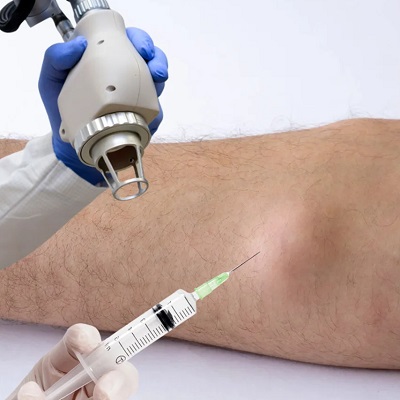
- Epidural Steroid Injections: These can help reduce severe inflammation around a pinched nerve, often providing a “window” of relief that allows you to participate more fully in physical therapy.
- Surgical Options: Surgery is typically a last resort, reserved for cases of significant nerve damage or structural instability that doesn’t improve with conservative care.
Lifestyle Changes for Long-Term Spine Health
The most effective back pain treatment is prevention. Living a spine-friendly lifestyle ensures that you spend less time in the doctor’s office and more time living your life.
- Ergonomics: If you work at a desk, invest in an ergonomic chair, keep your monitor at eye level, and take “micro-breaks” every 30 minutes to stand and stretch.
- Maintain a Healthy Weight: Excess weight, particularly around the midsection, puts significant strain on the lower back.
- Stay Hydrated: Your spinal discs are largely made of water; staying hydrated helps keep them healthy and cushioned.
- Quit Smoking: Smoking restricts blood flow to the spinal discs, which can accelerate degenerative disc disease.
Conclusion: Take Action Today
Living with back pain is exhausting, but it doesn’t have to be permanent. By combining evidence-based back pain treatment in Port st. Lucie with proactive lifestyle changes, you can reclaim your mobility and comfort.
Start small. Maybe it’s swapping your chair for a more supportive one, scheduling that appointment with a physical therapist, or committing to a daily 15-minute walking routine. Your back supports you through everything you do—it’s time to return the favor by giving it the care it deserves