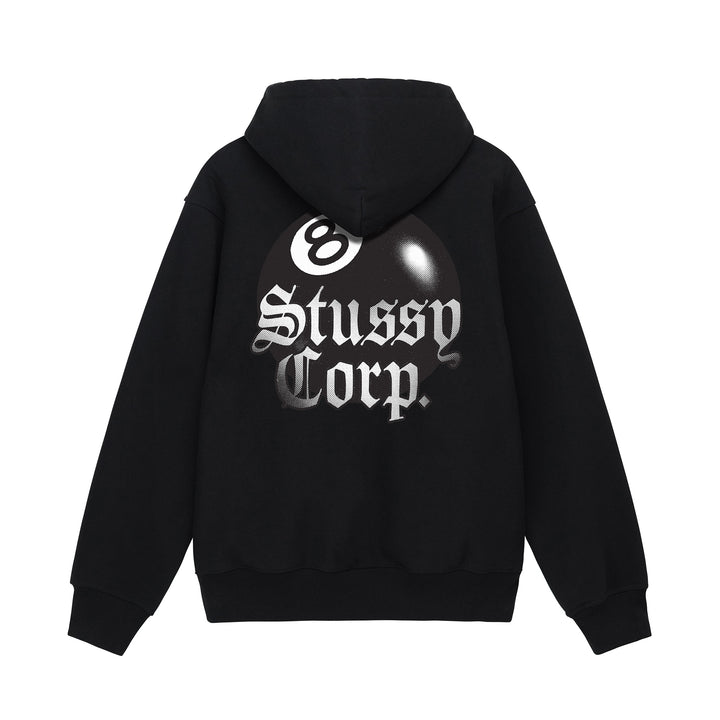

Breaking Down the Price Tag: Why is the Rhude Sweater So Expensive?
High-end streetwear consistently challenges traditional ideas about what casual clothing should cost. A single knit piece from a contemporary label can easily command prices that rival heritage European fashion houses. To understand this retail reality, one must look closely at how specific garments are made, where they are produced, and who is designing them.
Founded in 2015 by Rhuigi Villaseñor, Rhude has quickly grown from a small graphic tee project into a major force in global fashion. The brand balances casual American West Coast style with disciplined manufacturing practices. While critics often wonder why a knitted top commands such a high price tag, dedicated collectors recognize that several physical and structural factors set these pieces apart from standard retail clothing.
Heavy Material Selections
Material choice forms the foundation of any high-priced garment. Standard retail knitwear often uses thin synthetic blends to reduce raw material expenses. Rhude takes a completely different path by utilizing heavy natural fibers that provide both weight and structure.Visit https://officialrhude.com for more Rhude collections.
Many signature seasonal tops feature substantial premium cotton threads woven together at a very high density. This approach ensures that a finished piece feels heavy in hand, often tipping the scales significantly more than mass-produced alternatives. When cotton is not the main material, the brand shifts toward dense wool blends, soft cashmere, or textured mohair. These textiles cost far more to source than basic polyester or low-grade acrylic, creating a higher baseline expense before manufacturing even starts.
Custom Intarsia Knit Construction
Graphic elements on cheap clothing are usually applied using basic screen printing or plastic-based heat transfers that crack over time. Rhude constructs its bold visual statements directly into the fabric matrix using complex intarsia knitting techniques.
Intarsia requires specialized machinery and precise programming to weave distinct blocks of colored thread together into a single, seamless layer. This slow process ensures that large logos, cigarette-pack iconography, and collegiate patterns remain smooth and perfectly integrated into the body of the garment. Because the designs are structural rather than stamped on top, they maintain their visual clarity and fabric flexibility throughout years of regular wear.
Italian and American Manufacturing Origins
Production geography dictates a massive portion of any clothing brand’s final wholesale cost. Mass-market labels rely on giant factory networks in regions with low labor regulations to maximize their profit margins. Rhude manufactures its high-end knitwear collections within premium Italian factories and specialized Los Angeles facilities.Check out officialrhude.com for more Bape Items.
Italian textile mills charge significant premiums because they employ highly skilled workers and follow strict environmental guidelines. Producing goods in the United States carries similar high labor expenses. Sourcing production from these premium regions guarantees excellent construction quality, straight seam lines, and reliable working conditions, though it drastically raises the cost of production per unit.
Custom Hardware and Custom Fits
Standard clothing companies buy bulk zippers, blank buttons, and stock size charts to cut down on design hours. Rhude builds almost every garment pattern completely from scratch to achieve a specific silhouette.
The label is famous for its distinct oversized fits, dropped shoulder seams, cropped waistlines, and elongated sleeves that drape naturally on the body. Achieving this specific look requires rigorous prototyping and multiple sample revisions. Furthermore, heavy silver zippers, branded metal snaps, and custom-dyed ribbed collars are created exclusively for the label rather than pulled from generic factory bins, adding another layer of expense to the final product.
Scarcity and Cultural Relevance
Traditional luxury brands rely on massive inventory volumes to fill hundreds of department stores worldwide. Streetwear relies on a different economic model driven by deliberate scarcity and high cultural demand.
Rhude produces its collections in limited quantities, meaning factories cannot achieve the steep discounts that come with millions of units. When an item sells out, it rarely receives a massive restock. This limited supply keeps demand high among fashion collectors. When you factor in consistent visibility on influential athletes, musicians, and designers, the market value of the brand remains exceptionally strong, allowing it to maintain its position at the top of the modern market.