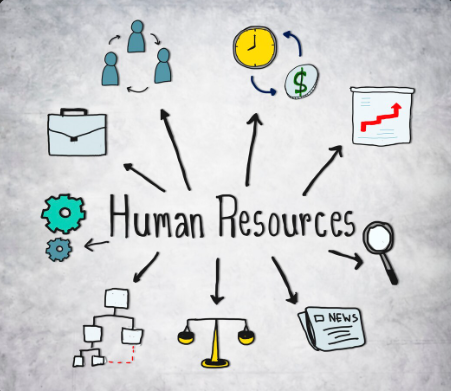

In today’s competitive business environment, organizations can no longer rely solely on hiring talented employees to achieve long-term success. The ability to develop, engage, and retain that talent has become equally important. This is where HR development programs play a vital role.
Human Resource (HR) development focuses on improving employees’ knowledge, skills, leadership capabilities, and overall performance. Well-designed HR development programs help organizations build a highly skilled workforce, increase productivity, improve employee satisfaction, and prepare future leaders. Instead of reacting to workplace challenges, companies that invest in employee development create a culture of continuous learning and innovation.
Whether it’s leadership training, onboarding, mentorship, technical upskilling, or career development planning, effective HR development initiatives contribute directly to organizational growth. In this article, we’ll explore the most impactful HR development programs, their benefits, implementation strategies, and best practices for driving organizational success.
What Are HR Development Programs?
HR development programs are structured initiatives designed to enhance employees’ professional skills, knowledge, and competencies throughout their careers. These programs aim to improve both individual performance and organizational effectiveness by providing continuous learning opportunities.
Unlike traditional training sessions that focus on short-term objectives, HR development programs support long-term career growth while aligning employee development with business goals.
Organizations that prioritize employee development are often better equipped to adapt to changing market conditions, embrace innovation, and maintain a competitive advantage.
Why HR Development Programs Matter
Employees are one of the most valuable assets in any organization. When businesses invest in their workforce, they create an environment where employees feel supported, motivated, and prepared to perform at their best.
Effective HR development programs help organizations:
- Improve employee performance and productivity.
- Increase employee engagement.
- Build future leaders.
- Reduce staff turnover.
- Encourage innovation and collaboration.
- Strengthen organizational culture.
- Enhance customer satisfaction through better service.
Rather than viewing employee development as an expense, successful organizations recognize it as a strategic investment that delivers measurable returns over time.
Employee Onboarding and Orientation Programs
A strong onboarding process is the foundation of employee success.
New hires who receive comprehensive onboarding adapt more quickly to company culture, understand their responsibilities, and become productive sooner.
An effective onboarding program should include:
- Company values and mission.
- Workplace policies and procedures.
- Job-specific training.
- Team introductions.
- Technology and system training.
- Performance expectations.
Successful onboarding extends beyond the first day or week. Many organizations continue structured support during the first three to six months of employment.
Leadership Development Programs
Strong leadership is essential for long-term organizational growth.
Leadership development programs prepare high-potential employees for future management positions by strengthening essential skills such as communication, decision-making, conflict resolution, emotional intelligence, and strategic thinking.
These programs often include:
- Leadership workshops.
- Executive coaching.
- Mentorship opportunities.
- Cross-functional projects.
- Business simulations.
- Peer learning sessions.
Developing leaders internally not only reduces recruitment costs but also strengthens succession planning and organizational stability.
Technical Skills Training
Technology continues to reshape industries, making technical skills development more important than ever.
Organizations should regularly assess skill gaps and provide employees with opportunities to develop expertise in areas relevant to their roles.
Examples include:
- Software training.
- Data analysis.
- Cybersecurity awareness.
- Artificial intelligence tools.
- Cloud computing.
- Industry-specific certifications.
Continuous technical training helps businesses remain competitive while increasing employee confidence and productivity.
Soft Skills Development
Technical expertise alone is no longer enough for workplace success.
Soft skills influence collaboration, customer relationships, leadership effectiveness, and overall organizational performance.
Key areas include:
- Communication.
- Problem-solving.
- Teamwork.
- Emotional intelligence.
- Adaptability.
- Time management.
- Critical thinking.
Employees with strong interpersonal skills contribute to healthier workplace relationships and more effective teamwork.
Mentorship and Coaching Programs
Mentorship provides employees with guidance from experienced professionals who can support career development and knowledge sharing.
Coaching, on the other hand, focuses on improving specific skills and performance through personalized feedback.
Benefits include:
- Faster career growth.
- Increased confidence.
- Better employee engagement.
- Knowledge transfer.
- Stronger organizational culture.
Companies that encourage mentoring often experience higher employee satisfaction and improved retention rates.
Career Development Planning
Employees are more likely to remain with organizations that support their long-term career aspirations.
Career development programs help employees identify goals, understand advancement opportunities, and create personalized growth plans.
These initiatives may include:
- Career path mapping.
- Internal promotions.
- Individual development plans.
- Professional certifications.
- Educational assistance.
Providing clear career pathways motivates employees to continue growing within the organization rather than seeking opportunities elsewhere.
Diversity, Equity, and Inclusion Training
Inclusive workplaces foster creativity, innovation, and stronger collaboration.
HR development programs increasingly include diversity, equity, and inclusion (DEI) initiatives that promote respect, fairness, and equal opportunities.
Training may focus on:
- Inclusive leadership.
- Cultural awareness.
- Unconscious bias.
- Workplace respect.
- Effective communication.
Organizations that embrace diverse perspectives often make better decisions and strengthen their employer brand.
Performance Management Programs
Performance management is no longer limited to annual reviews.
Modern HR development focuses on continuous feedback, coaching, and regular goal-setting.
Effective performance management includes:
- Quarterly check-ins.
- Goal tracking.
- Constructive feedback.
- Performance coaching.
- Skills assessments.
- Recognition programs.
Ongoing communication helps employees understand expectations while supporting continuous improvement.
Digital Learning and E-Learning Platforms
Technology has transformed employee development.
Digital learning platforms provide flexible access to training materials, allowing employees to learn at their own pace regardless of location.
Benefits include:
- Cost-effective training.
- Flexible scheduling.
- Personalized learning paths.
- Easy progress tracking.
- Consistent learning experiences.
Blended learning approaches that combine online education with instructor-led sessions often produce the strongest results.
Wellness and Employee Development
Employee well-being directly influences productivity and engagement.
Forward-thinking organizations integrate wellness initiatives into HR development strategies.
Examples include:
- Mental health support.
- Stress management workshops.
- Financial wellness education.
- Work-life balance initiatives.
- Resilience training.
Healthy employees are generally more engaged, productive, and committed to organizational success.
Measuring the Success of HR Development Programs
Developing employees is only valuable if results can be measured.
Organizations should evaluate program effectiveness using key performance indicators such as:
- Employee retention rates.
- Internal promotion rates.
- Productivity improvements.
- Training completion rates.
- Employee engagement scores.
- Customer satisfaction.
- Performance review outcomes.
Regular evaluation allows HR teams to refine programs and maximize their return on investment.
Common Challenges in HR Development
While employee development offers significant benefits, organizations may encounter several challenges.
Common obstacles include:
- Limited training budgets.
- Lack of employee participation.
- Time constraints.
- Resistance to change.
- Inconsistent leadership support.
- Difficulty measuring outcomes.
Addressing these challenges requires strong leadership commitment, clear communication, and continuous program evaluation.
Best Practices for Successful HR Development Programs
Organizations achieve the greatest results when development initiatives are aligned with both employee needs and business objectives.
Successful HR development programs typically:
- Align training with strategic business goals.
- Offer personalized learning opportunities.
- Encourage continuous feedback.
- Promote knowledge sharing.
- Support leadership development.
- Measure performance regularly.
- Recognize employee achievements.
Creating a culture of continuous learning ensures that development becomes an ongoing process rather than a one-time event.
The Future of HR Development
The future of HR development is increasingly shaped by technology, personalization, and data-driven decision-making.
Organizations are adopting artificial intelligence, learning analytics, virtual reality training, and adaptive learning platforms to create more engaging and effective development experiences.
At the same time, employees are seeking greater flexibility, personalized learning journeys, and opportunities to develop both technical and interpersonal skills.
Businesses that embrace these evolving trends will be better positioned to attract top talent, improve retention, and remain competitive in rapidly changing industries.
Conclusion
Effective HR development programs are far more than training initiatives—they are strategic investments in an organization’s future. By helping employees build new skills, strengthen leadership capabilities, and advance their careers, businesses create a workforce that is engaged, adaptable, and prepared to meet evolving challenges.
From onboarding and leadership development to technical training, mentorship, wellness initiatives, and digital learning, each program contributes to stronger organizational performance and long-term success. Companies that prioritize continuous learning not only improve employee satisfaction but also foster innovation, productivity, and resilience.
As the workplace continues to evolve, organizations that invest in comprehensive HR development programs will be better equipped to retain top talent, develop future leaders, and achieve sustainable growth. Building people is ultimately the foundation for building successful businesses.
Frequently Asked Questions
What are HR development programs?
HR development programs are structured initiatives designed to improve employees’ skills, knowledge, leadership abilities, and overall performance while supporting organizational goals.
Why are HR development programs important?
They improve employee productivity, engagement, retention, leadership readiness, and overall business performance by promoting continuous learning and professional growth.
What are the most effective HR development programs?
Some of the most effective programs include onboarding, leadership development, technical skills training, soft skills development, mentorship, coaching, career planning, and digital learning initiatives.
How can organizations measure the success of HR development programs?
Success can be measured through employee retention, productivity, engagement scores, promotion rates, training completion, performance improvements, and business outcomes.
How do HR development programs contribute to organizational success?
They build a skilled and motivated workforce, strengthen leadership pipelines, improve organizational culture, increase innovation, and help businesses achieve long-term strategic objectives.