


Marble countertops can create an elegant appearance in kitchens and bathrooms. However, choosing the right marble color involves more than finding an attractive slab. Homeowners should also consider natural veining, cabinet finishes, lighting, and long-term maintenance. For homeowners in Milwaukee, understanding these details can make the selection process easier and help create a more coordinated interior design.
Why Marble Countertop Colors Matter
Exploring the different colors of marble countertop options helps homeowners understand how natural stone can change a room’s appearance. Marble comes in white, gray, cream, black, green, and other natural shades. Moreover, its distinctive veining makes every slab different. The selected stone should complement the home’s existing features. For example, light marble can create a bright appearance, while darker varieties offer stronger visual contrast. However, the background tone matters just as much as the veins. A white marble slab with warm undertones may look different beside cool gray cabinets than it does next to natural wood. Therefore, comparing actual material samples is an important part of the purchasing process.
Understanding Popular Marble Colors
Marble forms when limestone or similar carbonate-rich stone changes under heat and pressure. This process creates a material with natural mineral patterns. However, the exact appearance varies between stone varieties and individual slabs.
White Marble Countertops
White marble remains popular because of its clean appearance and natural veining. It can complement white cabinets, darker wood finishes, and modern kitchens. For example, white marble with soft gray veins may create an elegant look without adding too much visual detail. However, some white varieties contain cream or warmer mineral tones. Therefore, we should compare the stone with nearby materials before purchasing.
Gray Marble Countertops
Gray marble offers a softer alternative to strong black-and-white contrasts. Light gray slabs often work well with white cabinetry. Meanwhile, darker gray marble can create a more dramatic appearance. Moreover, gray stone can coordinate with stainless steel appliances and black hardware. However, the shade should complement the flooring and backsplash.
Cream and Beige Marble
Cream and beige marble can create a warm interior design. These colors often complement natural wood cabinets and traditional kitchen finishes. For example, beige marble may work well with oak cabinetry and neutral flooring. However, warm stone can clash with some cooler cabinet colors. Therefore, sample comparisons are essential.
Black and Green Marble
Dark marble can create a strong visual feature. Black marble with contrasting veins may complement white cabinets or lighter bathroom vanities. Meanwhile, green marble can introduce a distinctive natural color. However, bold stone patterns usually work best when the surrounding design remains relatively simple. This helps prevent the room from appearing too busy.
Comparing Carrara, Calacatta, and Other Marble Styles
Homeowners often compare different marble varieties before selecting a slab. However, commercial stone names can cover materials with natural variation. Therefore, we should inspect the actual product rather than expecting every slab with the same name to look identical.
Carrara Marble
Carrara marble commonly features a white-to-gray background with softer veining. Its understated appearance can work well in traditional and contemporary kitchens. Moreover, it may complement a range of cabinet colors. However, the pattern and background color vary between slabs.
Calacatta Marble
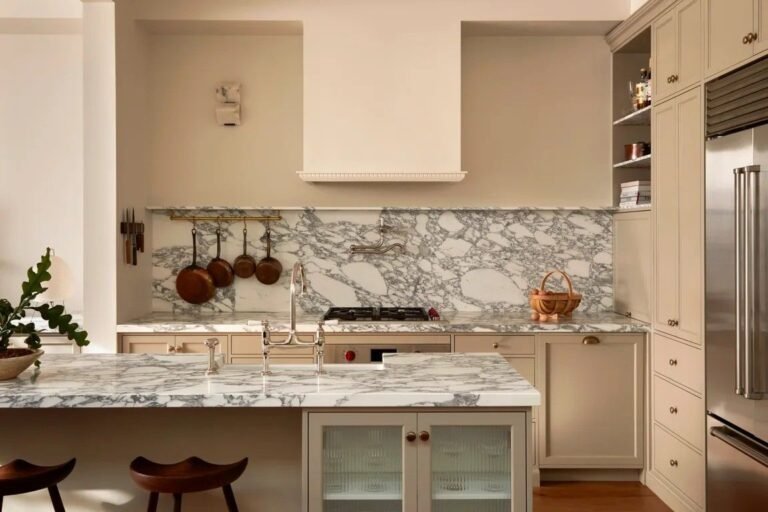
Calacatta marble often features more pronounced veining and a relatively bright background. Some varieties display gray or gold-colored movement. As a result, the stone can become the main visual feature of a kitchen island. However, bold patterns require careful planning around seams and backsplash materials.
Other Natural Marble Options
Marble is available in many additional colors and patterns. For example, some slabs contain warm brown movement, while others feature darker mineral concentrations. We should consider the overall appearance, availability, and maintenance needs. A less familiar marble variety may suit the home better than a popular name.
Matching Marble With Kitchen Cabinets
Cabinet colors strongly influence how marble appears. Therefore, both materials should be selected as part of one design plan. White cabinetry provides a flexible background for many marble colors. Meanwhile, natural wood cabinets introduce warmth and texture.
Marble With White Cabinets
White cabinets and light marble can create a bright interior. However, combining two different whites requires attention to their undertones. For example, a warm marble background may appear yellow beside very cool white cabinetry. We should compare samples under natural and artificial lighting.
Marble With Dark Cabinets
Black, navy, and deep brown cabinets can create attractive contrast against white marble. Meanwhile, dark marble may create a more dramatic design. However, kitchens with limited natural light may need lighter walls or stronger task lighting. A balanced color scheme helps the room remain comfortable.
Choosing Marble for Kitchen Islands
Kitchen islands provide a large surface for displaying natural marble patterns. However, the island should also support everyday tasks. We should consider seating, food preparation, and cabinet access before selecting dimensions.
Review Slab Patterns Before Cutting
A large marble slab may contain veins that move across the surface. Therefore, the direction of fabrication can influence the finished appearance. We should discuss pattern placement with the fabricator. However, natural stone cannot always provide perfect vein alignment at seams.
Consider Everyday Use
A kitchen island may serve as a dining area, preparation station, or gathering space. Therefore, we should consider how frequently food and drinks will contact the surface. Marble is vulnerable to etching from acidic substances. Using placemats, cutting boards, and suitable cleaning products can help reduce avoidable damage.
Understanding Marble Countertop Pricing
The cost of marble countertop projects depends on slab variety, thickness, dimensions, fabrication, and installation requirements. Some marble varieties cost more because of limited availability or distinctive natural patterns. Moreover, large islands and complex edge profiles may increase the fabrication expense. Therefore, the material price alone does not explain the full investment.
Include Installation Expenses
A complete countertop project may include measuring, cutting, transportation, and installation.Existing countertop removal may also affect the final price. Furthermore, older cabinets may require repairs before supporting a new stone surface. We should request an itemized estimate that explains the included work.
Balance Design With Budget
An expensive marble slab may look impressive. However, the best investment is the material that matches our design, budget, and maintenance expectations. For example, a moderately priced slab with suitable colors may work better than a premium option with difficult-to-match veining. Therefore, comparing several choices can help prevent unnecessary spending.
Understanding Marble Maintenance
Marble requires more care than some other countertop materials. Because it contains carbonate minerals, acidic substances can cause surface etching. For example, lemon juice and vinegar may create dull spots on polished marble. However, sealing does not prevent this chemical reaction. A suitable sealer can help reduce liquid absorption, depending on the stone.
Daily Cleaning Practices
We should clean marble using a soft cloth and an appropriate stone cleaner. Food spills and cosmetics should receive prompt attention. Moreover, cutting boards and protective mats can help reduce scratches and stains. However, abrasive cleaning products may damage the finish. Following professional care guidance helps preserve the stone’s appearance.
Finding Marble Countertops for Local Kitchen Projects
Choosing natural stone becomes easier when homeowners can inspect actual slabs. For example, comparing marble countertops in Milwaukee allows local buyers to explore suitable materials and discuss fabrication and installation needs. However, we should not select a supplier based only on photographs. A professional should explain the differences between stone varieties, finishes, and care requirements.
What to Ask Before Buying
We should confirm the selected slab dimensions and available thickness. It is also important to ask about edge profiles and seam placement. Moreover, the supplier should explain the installation process and any related responsibilities. For homeowners in Milwaukee, comparing complete project estimates can help clarify costs before ordering.
Marble Countertops for Bathroom Vanities
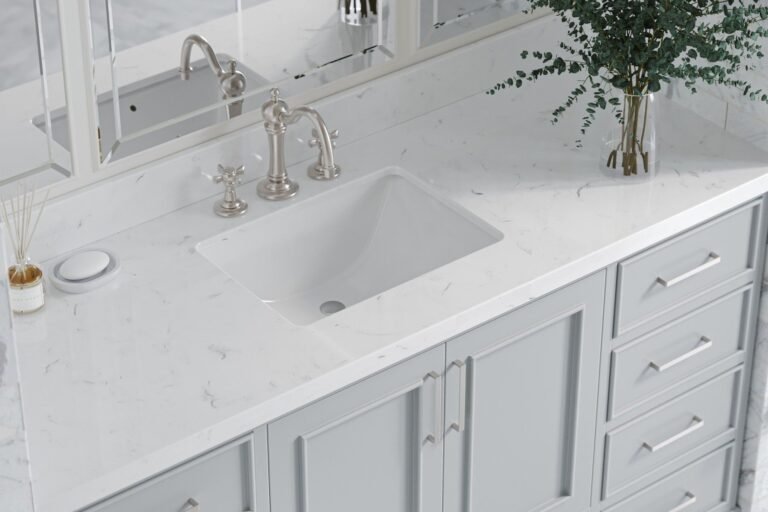
Marble can also create an attractive bathroom vanity. However, bathrooms contain personal care products that may affect the surface. For example, some cosmetics and cleaners can stain or etch marble. Therefore, suitable maintenance is important.
Match Marble With Vanity Cabinets
White marble may work well with navy, gray, or natural wood vanities. Meanwhile, cream marble can complement warm bathroom tiles. However, we should compare sink materials and faucet finishes before finalizing the design. A coordinated bathroom looks more intentional and comfortable.
Common Marble Selection Mistakes
One common mistake is choosing marble from a small online image. Another is overlooking the difference between staining and etching. Homeowners may also select a bold pattern without considering the backsplash. Therefore, we should evaluate full slabs, maintenance requirements, and surrounding materials together. It is also important to understand that natural marble changes with use. Some homeowners appreciate this aging process, while others prefer surfaces that maintain a more uniform finish.
Final Thoughts
Marble countertop colors provide many ways to create a distinctive kitchen or bathroom. However, successful selection requires attention to natural patterns, cabinet finishes, maintenance, and project costs. We should inspect actual slabs, compare materials, and understand the installation process. With thoughtful planning, marble can become an attractive feature that complements the home for many years.
Frequently Asked Questions About Marble Countertop Colors
1. What are the most popular marble countertop colors?
White, gray, cream, beige, black, and green are popular marble countertop colors. White marble with gray veining creates a classic appearance, while cream and beige varieties add warmth. Meanwhile, darker marble colors offer stronger contrast and can become a distinctive feature in modern kitchens.
2. Which marble countertop color is best for a kitchen?
The best marble countertop color depends on cabinet finishes, flooring, lighting, and personal preferences. White and light gray marble can make kitchens feel brighter, while cream marble complements natural wood cabinets. However, homeowners should compare actual slabs before selecting a color.
3. What is the difference between Carrara and Calacatta marble?
Carrara marble usually features a white-to-gray background with soft gray veining. Meanwhile, Calacatta marble often has a brighter background with more pronounced gray or gold-colored veins. Both offer natural beauty, but their patterns, availability, and prices can vary between individual slabs.
4. What marble countertop colors go best with white cabinets?
White, gray, black, and cream marble can complement white kitchen cabinets. Light marble creates a bright, coordinated appearance, while black marble provides dramatic contrast. However, homeowners should consider the undertones of both materials to create a balanced kitchen design.
5. Do marble countertop colors affect the price?
Yes, marble countertop colors and patterns can influence material pricing. Some varieties cost more because of limited availability, distinctive veining, or higher demand. Additionally, slab thickness, fabrication requirements, edge profiles, and installation costs affect the final project budget.
6. Are light or dark marble countertops easier to maintain?
Both light and dark marble require appropriate cleaning and maintenance. Light-colored marble may show certain stains more clearly, while dark polished marble can make scratches or etching more noticeable. Therefore, homeowners should use stone-compatible cleaners, remove spills promptly, and follow professional sealing recommendations.
7. How do I choose the right marble countertop color for my kitchen?
Start by comparing marble slabs with your kitchen cabinets, backsplash, flooring, and lighting. Consider whether you prefer subtle veining or bold natural patterns. Moreover, review the stone’s maintenance requirements and installation costs. Examining full slabs helps homeowners select a color that complements their kitchen design.