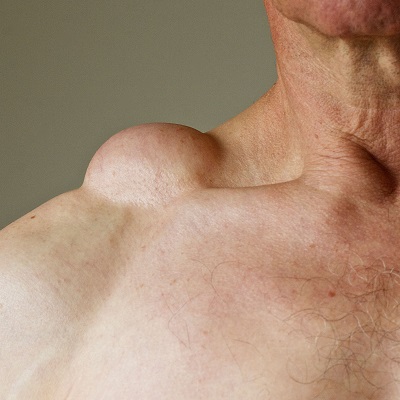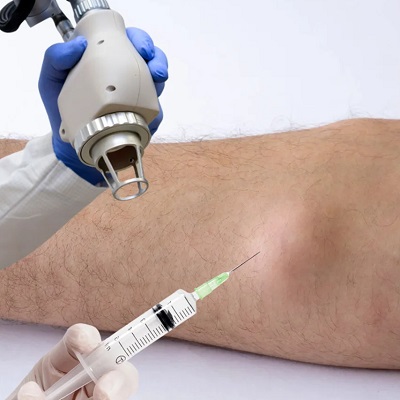

Lipomas are one of the most common non-cancerous growths that develop beneath the skin. They are usually soft, slow-growing, and painless, which often leads many people to wonder whether treatment is really necessary. Since these fatty lumps typically do not cause immediate health concerns, it is understandable that people may choose to wait before seeking medical attention.
However, delaying treatment is not always the best decision for everyone. While many lipomas remain harmless for years, others may gradually increase in size, become uncomfortable, or interfere with daily activities. Understanding when it is safe to monitor a lipoma and when professional evaluation is recommended can help individuals make informed decisions about their health.
For those researching Lipoma Treatment in Muscat, learning about the potential risks and benefits of delaying treatment can provide valuable guidance. This article explores everything readers should know, including signs that should never be ignored and situations where treatment may become necessary.
What Is a Lipoma?
A lipoma is a benign lump made up of fatty tissue that develops just beneath the skin. These growths are generally soft to the touch and can often be moved slightly with gentle pressure. They usually grow slowly over time and are commonly found on areas such as:
- Neck
- Shoulders
- Upper back
- Arms
- Thighs
- Abdomen
Although lipomas can appear at any age, they are more frequently diagnosed in adults between the ages of 40 and 60. Some individuals may develop only one lipoma, while others experience multiple growths due to genetic factors.
The good news is that lipomas rarely become cancerous. Even so, any new lump should be evaluated by a healthcare professional to confirm the diagnosis and rule out other conditions.
Is It Safe to Delay Lipoma Treatment?
In many cases, delaying treatment is considered safe if the lipoma has been properly diagnosed and remains stable. Since lipomas are benign, they often do not require immediate removal.
Observation may be appropriate when the lump:
- Is painless
- Remains small
- Does not grow noticeably
- Does not affect movement
- Causes no cosmetic concerns
- Has been confirmed as a lipoma through medical evaluation
Many people live comfortably with lipomas for years without experiencing complications. Regular monitoring can be enough, especially if there are no concerning changes.
However, delaying treatment should never replace proper diagnosis. Self-diagnosing a lump without medical assessment may lead to overlooking a more serious condition.
When Delaying Treatment May Not Be the Best Choice
Although many lipomas remain harmless, there are situations where postponing treatment may lead to increased discomfort or additional challenges.
Rapid Growth
A lipoma usually grows very slowly. If a lump begins enlarging quickly, further medical evaluation becomes important. Rapid growth may indicate that the lump should be reassessed to confirm its nature.
Increasing Pain
Most lipomas are painless. Pain may develop if the growth presses against nearby nerves or blood vessels. A painful lump deserves prompt medical attention rather than continued observation.
Restricted Movement
Lipomas located near joints or muscles may eventually interfere with normal movement. As they increase in size, they can make everyday activities more difficult and uncomfortable.
Cosmetic Concerns
Some people choose treatment because a visible lipoma affects their confidence or comfort. While cosmetic reasons are personal, they are valid considerations when deciding whether to proceed with treatment.
Changes in Appearance
Any noticeable changes in color, texture, firmness, or shape should be evaluated. Although lipomas themselves are generally harmless, unexpected changes should never be ignored.
What Happens If a Lipoma Is Left Untreated?
For many individuals, an untreated lipoma remains unchanged for years. However, outcomes can vary depending on the size, location, and characteristics of the growth.
Possible outcomes include:
- Remaining the same size indefinitely
- Growing slowly over several years
- Becoming more noticeable under clothing
- Causing pressure on nearby tissues
- Leading to mild discomfort during movement
- Creating cosmetic concerns over time
Large lipomas may become more difficult to remove simply because they occupy more tissue. Early treatment may sometimes involve a less extensive procedure compared to waiting until significant growth occurs.
How Are Lipomas Diagnosed?
Before deciding whether treatment can be delayed, obtaining an accurate diagnosis is essential.
Healthcare professionals generally begin with a physical examination. They assess the lump’s size, softness, mobility, and location.
Depending on individual circumstances, additional investigations may include:
- Ultrasound imaging
- MRI scans
- CT scans
- Biopsy if there is uncertainty about the diagnosis
These evaluations help distinguish lipomas from cysts, enlarged lymph nodes, or other soft tissue masses.
Individuals considering Lipoma Treatment in Muscat should first ensure that any lump receives proper medical assessment before deciding to postpone treatment.
Available Lipoma Treatment Options
Treatment is not always necessary, but several options are available when removal becomes appropriate.
Observation
If the lipoma is small and symptom-free, periodic monitoring may be all that is needed. This conservative approach allows individuals to avoid unnecessary procedures while keeping an eye on any changes.
Surgical Removal
Surgical excision remains one of the most common and effective methods of treating lipomas. During the procedure, the fatty tissue is removed along with its surrounding capsule, reducing the likelihood of recurrence.
This option is often recommended when the lipoma:
- Continues growing
- Causes pain
- Limits movement
- Becomes cosmetically bothersome
- Creates uncertainty in diagnosis
Liposuction-Based Removal
In selected cases, liposuction techniques may be used to reduce the size of certain lipomas. This approach can involve smaller incisions, although complete removal of the capsule may not always be possible.
The most suitable treatment depends on the lipoma’s size, depth, location, and overall health of the patient.
Tips for Monitoring a Lipoma at Home
Individuals who choose to delay treatment should remain attentive to any changes.
Helpful monitoring tips include:
- Check the size every few months.
- Take photographs for comparison.
- Note any new pain or tenderness.
- Observe changes in skin appearance.
- Watch for limitations in movement.
- Schedule periodic medical reviews.
Keeping track of these changes can help identify whether further evaluation becomes necessary.
Can Lifestyle Changes Prevent Lipomas?
There is currently no proven method to prevent lipomas from developing. These growths are believed to result from a combination of genetic and unknown factors rather than lifestyle habits.
Nevertheless, maintaining overall health supports general well-being by:
- Eating a balanced diet
- Exercising regularly
- Managing body weight
- Staying hydrated
- Attending routine medical checkups
Although these habits do not prevent lipomas, they contribute to overall health and encourage early detection of any unusual changes.
When Should Someone Seek Immediate Medical Advice?
While lipomas are generally harmless, certain symptoms require prompt evaluation.
Medical attention should be sought if a lump:
- Grows rapidly
- Becomes painful
- Feels hard instead of soft
- Is fixed in place and does not move
- Causes numbness or weakness
- Changes significantly in appearance
- Develops redness or signs of infection
These symptoms do not necessarily indicate a serious condition, but they should always be assessed by a qualified healthcare professional.
Conclusion
Delaying treatment for a lipoma can be perfectly safe in many cases, especially when the growth has been professionally diagnosed, remains small, painless, and does not interfere with daily life. Careful observation is often an appropriate approach for people with stable lipomas.
However, monitoring should never replace proper medical evaluation. Changes such as rapid growth, pain, limited movement, or unusual appearance deserve timely attention. Early assessment allows healthcare providers to confirm the diagnosis and recommend the most suitable management plan based on individual needs.
For individuals exploring Lipoma Treatment in Muscat, understanding the balance between watchful waiting and timely intervention can help them make confident, informed healthcare decisions while prioritizing both comfort and long-term well-being.
FAQs
1. Can a lipoma go away without treatment?
No. Lipomas typically do not disappear on their own. They often remain the same size or grow slowly over time unless they are removed through an appropriate treatment method.
2. Is it dangerous to leave a lipoma untreated?
In most cases, leaving a confirmed lipoma untreated is not dangerous. However, regular monitoring is important because any unusual changes should be evaluated promptly.
3. How can someone tell if a lump is a lipoma?
A lipoma is usually soft, movable, slow-growing, and painless. However, only a healthcare professional can accurately diagnose it through a physical examination and, if necessary, imaging or additional tests.
4. Can a lipoma become cancerous?
Lipomas are benign tumors and rarely become cancerous. Even so, any new or changing lump should be examined to rule out other conditions.
5. When should someone consider lipoma removal?
Removal may be considered if the lipoma causes pain, continues to grow, restricts movement, creates cosmetic concerns, or if there is uncertainty about the diagnosis.
6. Is recovery after lipoma treatment usually quick?
Recovery depends on the size and location of the lipoma as well as the treatment method used. Many people are able to return to normal daily activities within a relatively short period, following the advice provided by their healthcare professional.
Read More About Lipoma Treatment: https://enfieldclinicoman.blogspot.com/2026/07/how-does-lipoma-treatment-work.html