A diesel dredge is one of the most powerful and reliable solutions for removing sediment, sludge, and debris from water bodies. Whether used in mining, construction, or environmental projects, these machines offer unmatched performance in tough conditions. This guide breaks down everything you need to know about diesel dredges in a simple, practical way.
What Is A Diesel Dredge And How Does It Work?
A diesel dredge is a type of dredging equipment powered by a diesel engine, designed to excavate and transport sediment from the bottom of water bodies such as rivers, lakes, and ponds. Unlike electric dredges, diesel-powered systems are highly mobile and do not rely on external power sources, making them ideal for remote locations.
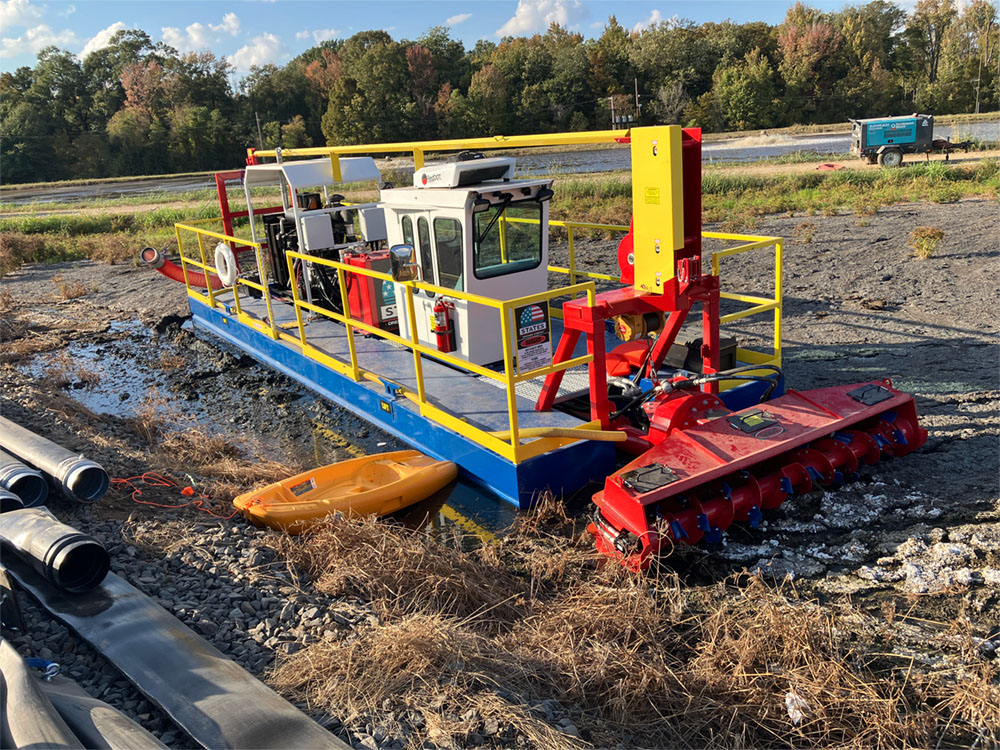
The working process is straightforward but powerful. The diesel engine drives a pump that creates suction, pulling in a mixture of water and sediment through a pipe. This slurry is then transported through discharge pipelines to a designated area. Depending on the model, diesel dredges may use cutter heads, augers, or plain suction mechanisms to loosen material before extraction.
One of the biggest advantages of diesel dredges is their ability to operate continuously in demanding environments. They are commonly used in industries such as mining, port maintenance, and land reclamation. Their durability and high suction power make them a preferred choice for large-scale dredging projects.
Benefits Of Using A Diesel Dredge For Heavy-Duty Projects
A diesel dredge offers several key benefits that make it a top choice for industrial and commercial applications. First and foremost is its power. Diesel engines provide high torque and consistent performance, allowing the dredge to handle dense materials like sand, gravel, and sludge with ease.
Another major advantage is mobility. Since diesel dredge do not require a fixed power supply, they can be deployed in remote or off-grid locations. This flexibility is especially valuable in mining operations or rural infrastructure projects where electricity is limited or unavailable.
Additionally, diesel dredges are known for their durability. Built with heavy-duty materials, they can withstand harsh environmental conditions, including extreme weather and abrasive materials. Maintenance is also relatively straightforward, as diesel engines are widely used and supported globally.
Key Features To Look For In A Diesel Dredge
When selecting a diesel dredge, understanding the key features is essential to ensure you get the right machine for your needs. One of the most important factors is pump capacity. A higher-capacity pump allows for faster material removal and increased efficiency, especially in large-scale operations.
Engine power is another critical consideration. The horsepower of the diesel engine directly impacts the dredge’s performance. For heavy-duty projects, a more powerful engine will provide better suction and longer operational hours without strain.
You should also consider the type of dredging mechanism. Cutter suction dredges are ideal for compacted materials, while plain suction dredges work well for loose sediments. Portability and ease of transport are also important, especially if the dredge needs to be moved between sites.
Other features to look for include fuel efficiency, ease of maintenance, and operator-friendly controls. Modern diesel dredges often come with advanced monitoring systems that help track performance and reduce downtime, making operations smoother and more cost-effective.
Common Applications Of Diesel Dredges
Diesel dredges are incredibly versatile and are used across a wide range of industries. One of the most common applications is in mining, where they are used to extract valuable minerals from riverbeds and other water bodies. Their powerful suction capabilities make them ideal for handling heavy materials like sand and gravel.
In the construction industry, diesel dredges are used for site preparation, land reclamation, and maintaining waterways. They help remove unwanted sediment, ensuring proper water flow and preventing flooding.
Environmental projects also rely heavily on diesel dredges. They are used to clean up polluted water bodies, remove contaminated sediments, and restore aquatic ecosystems. Their ability to operate in remote areas makes them particularly useful for conservation efforts.
Ports and harbors use diesel dredges to maintain navigable depths, ensuring that ships can operate safely. Without regular dredging, sediment buildup can disrupt shipping routes and cause significant economic losses.
How To Maintain A Diesel Dredge For Long-Term Performance?
Proper maintenance is crucial to keep a diesel dredge running efficiently and to extend its lifespan. Regular inspection of the engine is the first step. This includes checking oil levels, replacing filters, and ensuring that all moving parts are properly lubricated.
The pump system also requires attention. Over time, wear and tear can reduce efficiency, so it’s important to inspect impellers, seals, and suction lines regularly. Replacing worn components promptly can prevent costly breakdowns.
Fuel quality plays a significant role in performance. Using clean, high-quality diesel helps prevent engine damage and ensures consistent operation. It’s also important to keep the fuel system clean and free from contaminants.
Operators should follow a scheduled maintenance plan and keep detailed records of inspections and repairs. Training staff on proper operation can also reduce the risk of misuse and extend the life of the equipment. With proper care, a diesel dredge can provide reliable service for many years.
Choosing The Right Diesel Dredge For Your Needs
Selecting the right diesel dredge depends on several factors, including the type of material, project size, and location. For small-scale projects, a compact dredge with moderate power may be sufficient. However, large industrial operations will require high-capacity machines with powerful engines.
Budget is another important consideration. While diesel dredges can be a significant investment, their efficiency and durability often result in long-term cost savings. It’s important to balance upfront costs with expected performance and maintenance expenses.
Conclusion
A diesel dredge is a powerful, versatile, and reliable solution for sediment removal across various industries. Its ability to operate in remote locations, handle heavy materials, and deliver consistent performance makes it an essential tool for many projects. By understanding its features, benefits, and maintenance needs, you can make an informed decision and maximize your investment.