Siberian Huskies, with their striking appearance and thick double coats, are an undeniably beautiful breed. Their beautiful fur, characteristic of their origins in the cold Arctic, is part of what makes them so captivating. However, this coat also requires regular grooming to keep it healthy and manageable, especially when you bring a Siberian Husky puppy into your home.
Husky puppies are not only adorable but are also incredibly energetic and curious. As they grow, they will shed, grow their adult coats, and go through periods of heavy shedding known as “blowing coat.” Understanding how to properly groom your Husky puppy is essential for keeping them comfortable, preventing matting, and ensuring they stay healthy and happy. In this article, we will cover some essential tips and tricks for grooming your Siberian Husky puppy, including brushing, bathing, nail care, and general maintenance.
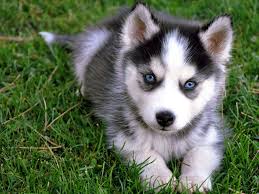
1. Understanding the Siberian Husky’s Coat
Before delving into grooming specifics, it’s important to understand the Siberian Husky’s coat. Huskies have a dense double-layer coat designed to keep them warm in freezing temperatures. The outer layer, called the “guard coat,” is coarse and water-resistant, while the undercoat is softer and insulating. This double coat serves to protect them from both extreme cold and heat.
As a puppy, your Husky will have a soft, downy undercoat that gradually develops into the thick double-layer coat as they grow older. Grooming is essential because this thick coat can easily become matted, especially when your Husky starts shedding their puppy fur and growing their adult coat.
2. Brushing Your Siberian Husky Puppy
Regular brushing is perhaps the most important part of grooming your Husky puppy. As your puppy matures, their coat will become thicker and denser, which means regular brushing will be necessary to prevent tangles and mats.
- When to start brushing: You can begin brushing your Husky puppy as soon as you bring them home. Early grooming sessions will help get them used to the process and make grooming a positive experience. Start with a soft brush and gradually switch to a more robust one as their coat develops.
- How often to brush: While puppies may not shed as much as adult Huskies, regular brushing is still crucial. Aim to brush your Husky puppy 2-3 times a week to remove dirt, loose fur, and prevent mats. As they grow older and their shedding increases, you’ll need to brush them more frequently, particularly during their seasonal shedding periods. During shedding times (usually spring and fall), you may want to brush daily to keep up with the hair loss.
- Choosing the right brush: Huskies have a thick, dense coat, so you’ll need to use the right type of brush to effectively manage their fur. Here are some options:
- Slicker Brush: A slicker brush is ideal for removing loose fur and preventing mats. The fine metal bristles help penetrate deep into the undercoat and remove tangled hair.
- Undercoat Rake: Huskies have a thick undercoat that sheds heavily. An undercoat rake is designed to remove the dense undercoat and can help with heavy shedding periods. It’s especially useful when your Husky is blowing their coat.
- Bristle Brush: A bristle brush can be used to finish off the brushing process and smooth the fur. It’s gentler than a slicker brush and helps distribute natural oils to keep your Husky’s coat shiny and healthy.
- Brushing technique: Always brush in the direction of the fur growth, starting from the head and moving toward the tail. Pay extra attention to areas that are more prone to matting, such as behind the ears, under the arms, and around the collar. Gently work through any tangles using your fingers first, then use the rake or slicker brush to remove them.
3. Bathing Your Siberian Husky Puppy
Bathing your Husky puppy is another important aspect of grooming, but it’s important not to overdo it. Huskies have natural oils in their coat that help protect them from the elements, and excessive bathing can strip these oils, leading to dry skin and coat problems. However, your Husky will still need baths periodically to keep them clean and healthy.
- When to bathe: Bath your Husky puppy when they get dirty, but generally, you won’t need to bathe them more than once every 6-8 weeks. If your Husky gets into something particularly messy or stinky, it’s okay to bathe them sooner, but try to avoid over-bathing.
- Choosing a shampoo: Always choose a mild, dog-friendly shampoo designed for Huskies or dogs with double coats. Harsh human shampoos can irritate their skin, so opt for a product that is designed to maintain the natural oils in their coat while cleaning.
- Bathing tips: Before bathing, give your Husky puppy a good brushing to remove loose fur and tangles. This will make the bathing process easier and more effective. Use lukewarm water and wet their coat thoroughly. Gently massage the shampoo into their fur, avoiding their eyes and ears, and rinse thoroughly. After the bath, dry your Husky with a towel and allow their coat to air dry. Avoid using a hairdryer, as the heat can damage their coat.

4. Nail Care for Your Siberian Husky Puppy
Nail care is an essential but often overlooked part of grooming. Long nails can be uncomfortable for your Husky and can cause problems with their posture and movement. Regular nail trimming is necessary to keep them comfortable.
- When to trim nails: Begin trimming your Husky puppy’s nails early to get them accustomed to the process. Ideally, you should trim your Husky’s nails every 3-4 weeks. If you can hear their nails clicking on the floor, it’s time for a trim.
- Trimming technique: Use a high-quality dog nail clipper or grinder. Trim only the sharp tip of the nail, being careful not to cut into the “quick” (the pink area inside the nail that contains blood vessels). If you’re unsure where the quick is, trim little by little until you see a small dark circle in the middle of the nail. This is where the quick ends.
- Dealing with tough nails: Some Huskies have thicker nails than others, which can make trimming a bit tricky. If your Husky has tough nails, use a grinder instead of clippers to gently file the nails down. This method is often less stressful for both you and your puppy.
5. Ear Care and Teeth Brushing
Maintaining your Husky puppy’s ear health is also a vital part of grooming. Huskies have upright ears, which can sometimes trap dirt, moisture, and wax, leading to infections if not properly cleaned.
- Ear cleaning: Regularly check your Husky’s ears for any signs of redness, excessive wax, or odor. If you notice any, clean them gently with a damp cotton ball or ear wipe specifically made for dogs. Avoid using cotton swabs, as they can push debris further into the ear canal.
- Teeth brushing: Dental hygiene is just as important for your Husky as for any other breed. Start brushing your Husky’s teeth early on to get them used to the process. Use a dog-friendly toothbrush and toothpaste, and aim to brush their teeth 2-3 times a week to prevent plaque buildup and maintain fresh breath.
6. Seasonal Shedding and “Blowing Coat”
One of the most important aspects of grooming a Siberian Husky is managing their seasonal shedding, often referred to as “blowing coat.” Huskies shed heavily in the spring and fall as they transition between their winter and summer coats.
- During shedding periods: During shedding seasons, your Husky may shed large clumps of fur, especially from their undercoat. This is when daily brushing is crucial. An undercoat rake is especially helpful in removing the dense undercoat that sheds during these periods. Regular grooming during this time will help prevent mats and keep your Husky comfortable.
7. General Maintenance and Tips
- Regular grooming sessions: Even if your Husky isn’t shedding heavily, regular grooming sessions are important for their well-being. Make grooming a positive, enjoyable activity so that your Husky is comfortable with the process throughout their life.
- Hydration and diet: A healthy coat starts with proper nutrition. Ensure your Husky is eating a balanced diet with high-quality ingredients to maintain healthy skin and fur. Fresh water should always be available to keep their skin and coat hydrated.
Conclusion
Grooming your Siberian Husky puppy may seem like a daunting task due to their thick, dense coat, but with regular care and the right tools, it becomes manageable and even enjoyable. Regular brushing, bathing, nail trimming, and ear cleaning will help keep your Husky comfortable, healthy, and looking their best. By starting early and making grooming a positive experience, you’ll build a bond with your puppy while keeping them happy and well-groomed for years to come.