
As we navigate through 2026, the economic landscape for middle-income households has become more complex than ever. While the hyper-inflationary spikes of a few years ago have stabilized into a “new normal,” the cumulative effect on the cost of living remains a daily challenge. From the grocery aisle to the gas pump and the monthly mortgage statement, the “middle-class squeeze” is real.
For the average household, traditional budgeting methods—like the old 50/30/20 rule—often feel outdated. In 2026, financial survival and growth require a blend of modern technology, strategic debt management, and hyper-targeted spending habits.
This guide is designed to help you reclaim control of your finances, optimize your daily spending, and find a clear path toward long-term stability.
The Reality of the 2026 Economy
Middle-income households—typically defined as those earning between $55,000 and $145,000—are currently facing a unique set of pressures. Rents and housing costs have plateaued at historic highs, and service-based costs (like insurance and healthcare) continue to outpace wage growth.
However, 2026 also offers new tools. We are in the era of automated financial intelligence. Success this year isn’t about working harder; it’s about making your money work smarter through precision optimization.
1. Mastering the “Food Inflation” Loophole
Grocery prices remain one of the largest monthly outflows for families. In 2026, “shrinkflation” has become a permanent fixture on store shelves. To fight back, consumers are moving away from brand loyalty and toward “rebate stacking.”
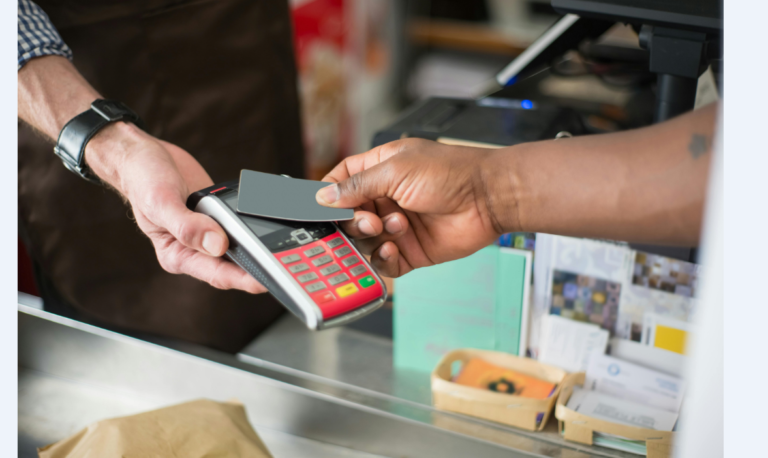
One of the most effective ways to lower your monthly overhead is by optimizing your payment methods. Rather than using a generic debit card or a basic cash-back card, middle-income families are finding that the best grocery credit card can provide a significant “hidden” discount. When you can earn 5% or 6% back on every supermarket trip, you are effectively reversing a year’s worth of price increases. Combined with store-specific apps and AI-driven coupon aggregators, this strategy can save a family of four over $2,000 annually.
2. Scaling the Peak: Navigating High-Interest Debt
For many, the rising costs of the last few years were managed by leaning on credit cards. As we move through 2026, the “interest trap” has become the primary obstacle to building wealth. With interest rates remaining “higher for longer,” carrying a balance is more expensive than it was a decade ago.
If you find yourself staring at a total balance that feels insurmountable, you aren’t alone. The psychological weight of debt can be just as heavy as the financial one. This is where professional intervention becomes a bridge to stability. Utilizing services like mountains debt relief allows households to consolidate their obligations and create a structured, realistic path toward a zero balance. In 2026, “debt-free” is the new status symbol, and the first step is admitting that the mountain is too steep to climb without the right gear.
3. The Shift to “Value-Based” Subscription Management
In 2026, the “subscription economy” has expanded into almost every sector, from software and entertainment to car features and vitamin deliveries. The average household now spends over $300 a month on recurring digital subscriptions—many of which go unused.
Perform a “Subscription Audit” every quarter. Use automated tools to identify recurring charges and cancel anything that hasn’t been accessed in the last 30 days. The goal in 2026 is “Active Consumption”—only paying for what you are currently using, rather than “just in case” access.
4. Micro-Investing and the Resilience Fund
The concept of a six-month emergency fund is still the gold standard, but for many middle-income families, saving $30,000 in cash feels impossible while costs are rising.
In 2026, we advocate for the “Resilience Fund.” This is a tiered approach:
- Tier 1: $2,000 in a high-yield savings account for immediate emergencies (car repair, broken appliance).
- Tier 2: A “Micro-Investment” portfolio. Instead of waiting to have a large lump sum, use apps that round up your purchases to the nearest dollar and invest the change into low-cost index funds.
- Tier 3: Long-term retirement contributions (401k/IRA) with a focus on capturing the full employer match—which is essentially a 100% return on your investment.
5. Leveraging AI for Personalized Budgeting
The spreadsheets of 2020 are dead. In 2026, the most successful households use AI-driven budgeting assistants. These tools connect to your bank accounts and predict your spending patterns. They can alert you if your electricity bill is 20% higher than the neighborhood average or if a specific utility provider has a cheaper rate available.
By letting technology handle the “boring” parts of money management, you can focus on high-level decisions, like career pivot strategies or real estate timing.
Frequently Asked Questions
1. Is it better to save or pay off debt in 2026?
If your debt has an interest rate higher than 7% (like most credit cards), paying it off should be your priority. The “guaranteed return” of avoiding 20%+ interest far outweighs the 4-5% you might earn in a savings account.
2. How do I choose the best grocery credit card for my family?
Look for cards that offer the highest percentage back specifically at supermarkets, rather than “general dining.” Check for annual caps; some cards limit your 6% back to the first $6,000 spent per year, which might not be enough for a large family.
3. What is the fastest way to improve my credit score this year?
The most impactful move is reducing your “credit utilization ratio.” Try to keep your balances below 30% of your total limits. If you’re struggling, debt relief programs can help restructure your payments to make this more manageable.
4. How much should I be spending on housing in 2026?
While the old rule was 30% of gross income, many middle-income families now spend closer to 35-40%. If you are in this bracket, you must compensate by being hyper-frugal in discretionary categories like travel and dining.
5. Are “Buy Now, Pay Later” (BNPL) services safe?
BNPL can be a useful tool for interest-free payments on essential large purchases, but they are dangerous for “lifestyle” spending. In 2026, many consumers find themselves with “hidden debt” from multiple small BNPL payments that add up to a significant monthly burden.
6. When should I consider professional debt relief?
If you are only making minimum payments, if your total debt (excluding mortgage) exceeds 50% of your annual income, or if you are choosing between paying bills and buying groceries, it is time to seek professional help.
7. How can I lower my utility bills in a high-cost environment?
Many states in 2026 have deregulated energy markets. Use comparison tools to switch providers. Additionally, small investments in smart thermostats and weather-stripping can reduce HVAC costs by 15-20%.
8. Is the 50/30/20 rule still relevant?
It’s a good baseline, but in 2026, a 60/20/20 split (60% essentials, 20% financial goals, 20% lifestyle) is more realistic for middle-income households in high-cost-of-living areas.
9. How do I talk to my kids about money and rising costs?
Be transparent but not alarming. Use grocery shopping as a lesson in value. Explain why you are choosing a certain brand or using a specific credit card for rewards. This builds lifelong financial literacy.
10. Should I invest in the stock market right now?
Time in the market is always better than timing the market. Even with economic volatility, consistent, automated contributions to diversified index funds remain the most reliable way for middle-income families to build wealth over decades.
Conclusion
The 2026 financial landscape requires a new toolkit. By being intentional with your spending—optimizing every dollar at the grocery store—and being proactive about managing the “mountain” of debt, you can move from a state of survival to a state of growth.
Remember, money management isn’t about deprivation; it’s about prioritization. When you control your cash flow, you control your future. Stay disciplined, use the technology available to you, and don’t be afraid to seek professional guidance when the climb gets steep.