
Choosing between platinum and gold for daily wear depends on lifestyle, comfort expectations, and long-term jewelry performance. Both metals hold strong positions in fine jewelry markets, especially in rings, bracelets, and chains worn every day. Platinum carries a naturally white tone with higher density, while gold offers flexibility through multiple alloys and color variations. Daily wear conditions such as friction, skin contact, and exposure to external elements influence how each metal performs over time. Many buyers also consider long-term value and durability alongside appearance when selecting between these two precious metals.
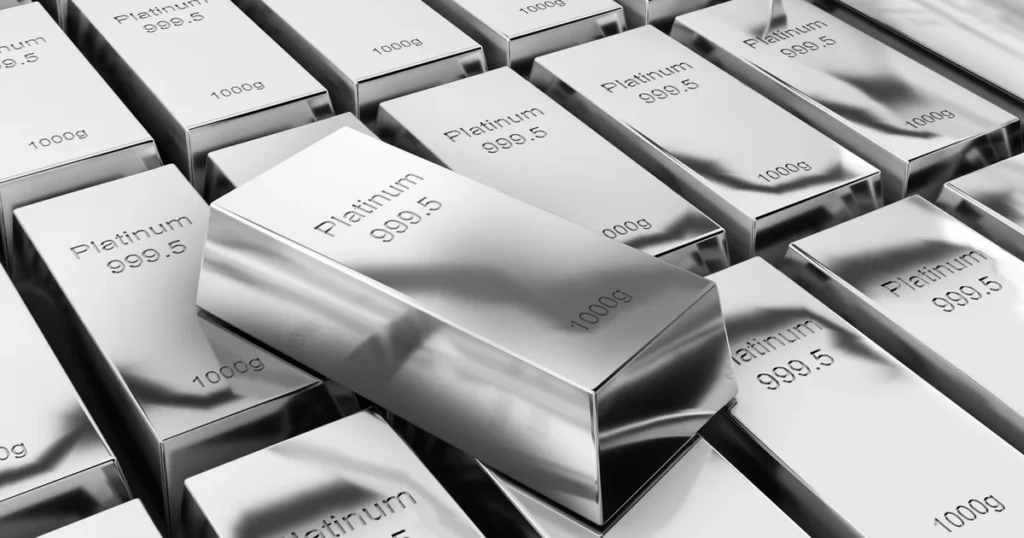
Platinum attracts attention for its minimal maintenance needs and strong structural integrity under daily use. Gold appeals to those who prefer design variety and affordability options. Some buyers researching high-value metals also come across investment-related searches such as Buy platinum bars dfw while exploring platinum’s broader value beyond jewelry. Understanding how both metals behave under constant wear helps in making a practical and informed decision.
Overview of Platinum and Gold in Jewelry Use
Platinum and gold are widely used in luxury jewelry, yet they differ significantly in composition and physical behavior. Platinum is naturally white and typically used in high purity levels, often between 90% and 95% in jewelry applications. Its density gives it a heavier feel, which many users associate with premium quality. It is also chemically stable, meaning it does not tarnish or lose its natural color over time.
Gold in its pure form is softer and usually mixed with other metals such as copper, silver, or palladium to improve strength. These mixtures create different colors like yellow, white, and rose gold. While gold offers more design versatility, its physical softness makes it more responsive to scratches and deformation under continuous daily wear.
Durability and Structural Strength
Durability is one of the most important factors in daily wear jewelry selection. Platinum is known for its ability to maintain structure over time, even under repeated friction and pressure. Instead of losing material when scratched, platinum shifts slightly, which helps preserve its overall weight and integrity. This characteristic makes it highly suitable for long-term jewelry use, especially in engagement and wedding rings.
Gold behaves differently depending on its karat level. Higher karat gold is softer and more vulnerable to scratches and bending. Lower karat gold improves strength due to alloy content but still does not match platinum’s density. Over time, gold surfaces show wear more visibly, especially in frequently used jewelry pieces like rings and bracelets.
Scratch Behavior and Surface Appearance
Platinum and gold develop different surface appearances as they age. Platinum tends to form a natural patina, a soft matte finish created through microscopic surface movement. This patina does not reduce metal quality but changes its visual texture. Some wearers prefer this aged appearance as it reflects long-term use without significant loss of material.
Gold, however, retains its color but shows scratches more visibly due to its softer composition. White gold often depends on rhodium plating to maintain brightness, and this coating gradually wears away with time. Replating becomes necessary to restore its original shine. Yellow and rose gold maintain color but still display surface marks more clearly than platinum.
Hypoallergenic Performance and Skin Compatibility
Skin sensitivity plays a major role in choosing daily wear jewelry. Platinum is naturally hypoallergenic because of its high purity level and minimal alloy content. This reduces the likelihood of skin reactions, even during continuous long-term wear. People with metal allergies often prefer platinum for rings or bracelets worn every day.
Gold may contain alloy metals such as nickel, copper, or zinc depending on its type and purity. These metals can sometimes trigger skin irritation in sensitive individuals. White gold in particular may include nickel, which is a common allergen. For users with sensitive skin, platinum offers a more stable and comfortable option for daily wear without ongoing irritation concerns.
Maintenance Requirements and Care Differences
Maintenance expectations differ noticeably between platinum and gold jewelry. Platinum requires minimal upkeep due to its stable chemical nature. It does not tarnish or lose color, although it may develop a patina over time. Many users either accept this finish or choose occasional professional polishing to restore its original shine.
Gold requires more frequent maintenance depending on its type. White gold often needs periodic rhodium replating to maintain brightness. All gold types benefit from polishing to reduce visible scratches. Over time, gold settings may also wear down more quickly under constant friction, especially in prongs holding gemstones. Regular inspection helps maintain structural safety and appearance.
Long-Term Appearance and Wear Effects
Long-term appearance is another key difference between platinum and gold. Platinum maintains its volume over time, meaning the metal does not significantly reduce in weight despite surface movement. This helps jewelry retain its structural presence even after years of daily wear.
Gold, due to its softer nature, can gradually lose small amounts of material through wear and polishing. This effect is more noticeable in high-contact jewelry such as rings. While gold maintains its color, surface imperfections become more visible with time. Platinum’s gradual patina formation often masks wear patterns better, making it appear more uniform in long-term use.
Price Differences and Value Considerations
Platinum is generally more expensive than gold due to its rarity, density, and extraction complexity. A platinum piece often requires more raw material than a similar gold piece of the same size, increasing production costs. Its long-term durability can offset maintenance expenses, making it a strong value choice for lifelong jewelry.
Gold pricing depends heavily on global market fluctuations and karat purity. While gold jewelry may be more affordable initially, long-term maintenance such as polishing or replating can increase ownership costs. Buyers often balance upfront affordability against durability and maintenance requirements when comparing both metals.
Daily Wear Suitability Comparison
Daily wear performance depends on usage habits and personal expectations. Platinum performs exceptionally well in continuous wear environments due to its strength, stability, and hypoallergenic nature. It is widely used in engagement rings and wedding bands designed for lifelong use without frequent replacement or restoration.
Gold remains a strong option for individuals who prioritize variety in color, style, and affordability. It is easier to resize and modify, which adds practical value for changing jewelry needs. While it may require more maintenance, gold offers broader design flexibility across different fashion preferences and budgets.
Practical Decision Factors for Buyers
Several practical factors influence the final choice between platinum and gold. Lifestyle plays a major role, especially for individuals who wear jewelry during physical activities or work environments. Platinum suits heavy daily use due to its structural strength and resistance to wear loss.
Gold suits users who prefer variety and lightweight jewelry options. Budget considerations also influence decisions, as gold offers more entry-level pricing flexibility. Long-term expectations such as maintenance frequency, appearance retention, and skin compatibility further shape the decision-making process between these two metals.
Conclusion
Platinum and gold both serve important roles in daily wear jewelry, but their performance differs significantly. Platinum offers superior durability, hypoallergenic benefits, and long-term structural stability. Gold provides design flexibility, affordability options, and wide availability across styles and colors. The right choice depends on lifestyle demands, comfort preferences, and maintenance expectations. Understanding how each metal behaves under everyday use ensures a more confident and practical jewelry investment decision.