
Industrial fluid handling systems require reliable flow control components capable of ensuring safe and efficient operation under demanding process conditions. In industries where chemicals, water, corrosive fluids, and industrial liquids are continuously transported through pipelines, proper fluid isolation becomes essential for operational safety and process control. One of the most widely used and efficient solutions for this purpose is the industrial UPVC ball valve.
UPVC ball valves are designed to provide secure shut-off control, corrosion resistance, and long-term durability in industrial piping systems. Their lightweight structure, leak-proof sealing, and low maintenance requirements make them highly suitable for modern industrial applications including chemical processing, water treatment, pharmaceuticals, agriculture, and industrial utility systems.
Understanding Industrial UPVC Ball Valve
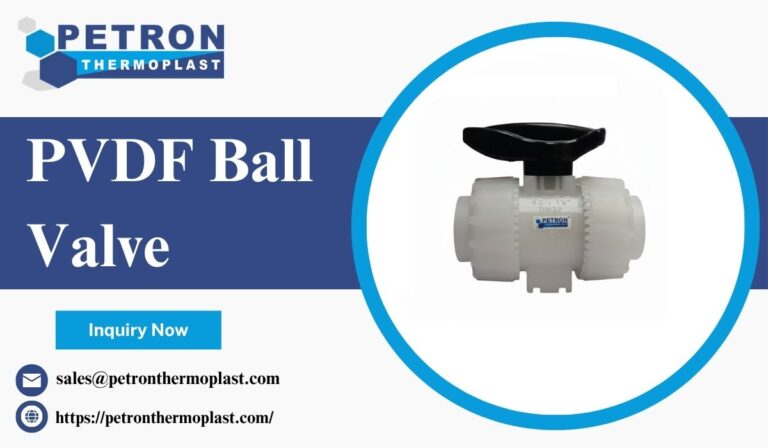
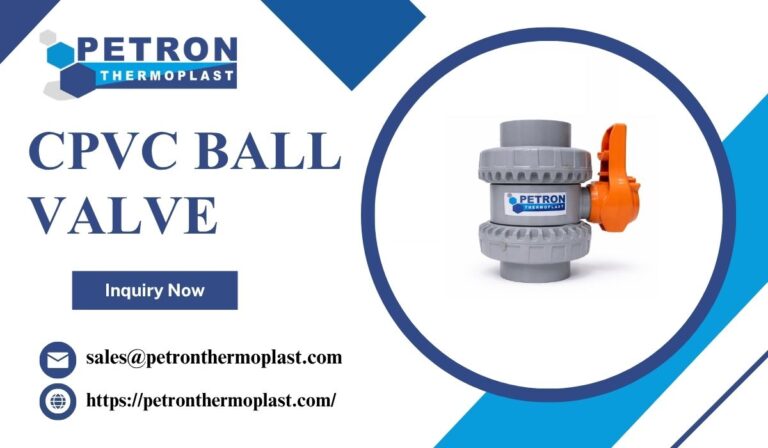
A UPVC ball valve is a quarter-turn valve manufactured using Unplasticized Polyvinyl Chloride (UPVC), a rigid thermoplastic material known for its excellent chemical resistance and mechanical strength.
The valve contains a spherical ball with a central bore that rotates when the handle is turned. When aligned with the pipeline, the valve allows fluid flow. Rotating the handle by 90 degrees closes the valve and completely isolates the fluid flow within the system.
UPVC ball valves are commonly used for:
- Fluid isolation
- Flow control
- Chemical transfer systems
- Water distribution networks
- Industrial process pipelines
Their simple operating mechanism and reliable sealing performance make them highly efficient for industrial flow control applications.
Importance of Safe Fluid Isolation in Industrial Systems
Fluid isolation is a critical requirement in industrial process systems. Improper isolation can result in:
- Chemical leakage
- Equipment damage
- Process contamination
- Safety hazards
- Operational downtime
- Fluid loss
A high-quality UPVC ball valve ensures safe and efficient isolation of industrial fluids, helping industries maintain process reliability and workplace safety.
Effective fluid isolation supports:
- Controlled process operations
- Maintenance safety
- Emergency shutdown capability
- System protection
- Leak prevention
Industrial facilities rely heavily on dependable valves to ensure uninterrupted and safe operations.
Why UPVC Material is Ideal for Industrial Ball Valves?
UPVC material offers several advantages that make it highly suitable for industrial valve applications.
Excellent Corrosion Resistance
One of the major benefits of UPVC ball valves is their superior resistance to corrosion. Unlike metallic valves, UPVC does not rust, oxidize, or chemically degrade when exposed to corrosive industrial fluids.
UPVC valves can safely handle:
- Acids
- Alkalis
- Industrial chemicals
- Salts
- Wastewater
- Process fluids
This corrosion-free performance significantly improves the service life of the valve.
Superior Chemical Resistance
Industrial fluid systems frequently transport aggressive chemicals that can damage conventional metal valves. UPVC ball valves maintain structural integrity and reliable performance in chemically aggressive environments.
Their chemical compatibility makes them ideal for:
- Chemical processing industries
- Water treatment systems
- Electroplating plants
- Pharmaceutical facilities
- Industrial utility pipelines
Lightweight Construction
UPVC ball valves are lightweight compared to metal valves, making transportation, handling, and installation easier.
Lightweight construction provides:
- Faster installation
- Reduced labor costs
- Lower structural support requirements
- Simplified maintenance
Smooth Internal Surface
The internal surface of UPVC valves is smooth and non-reactive, reducing friction loss and preventing scale formation within the system.
This helps improve:
- Flow efficiency
- Energy savings
- Fluid purity
- System performance
Key Features of Industrial UPVC Ball Valves
High-quality industrial UPVC ball valves are designed with features that improve safety, durability, and operational reliability.
Leak-Proof Sealing
Safe fluid isolation requires reliable sealing performance. UPVC ball valves are equipped with precision sealing systems that prevent leakage even under pressure conditions.
Leak-proof operation helps:
- Prevent fluid loss
- Improve process safety
- Reduce contamination risks
- Maintain operational efficiency
Quarter-Turn Operation
The simple quarter-turn mechanism allows quick opening and closing of the valve.
This provides:
- Fast fluid isolation
- Easy manual operation
- Efficient emergency shutdown capability
- Reduced operating time
High Mechanical Strength
Industrial environments expose valves to pressure fluctuations and continuous operational stress. Industrial-grade UPVC valves offer:
- Impact resistance
- Pressure handling capability
- Dimensional stability
- Long-term durability
Low Maintenance Requirements
Unlike metal valves that require regular anti-corrosion treatment and maintenance, UPVC valves require minimal servicing due to their corrosion-resistant nature.
Long Service Life
UPVC ball valves are designed for extended industrial use and maintain performance over long operational periods with minimal degradation.
Applications of Industrial UPVC Ball Valves
UPVC ball valves are widely used across various industries due to their chemical resistance and reliable fluid isolation capability.
Chemical Processing Industries
Chemical plants require corrosion-resistant flow control systems for safe handling of aggressive chemicals. UPVC ball valves are used in:
- Chemical transfer lines
- Acid handling systems
- Process piping networks
- Chemical dosing systems
Water and Wastewater Treatment Plants
Water treatment facilities use UPVC valves for:
- Filtration systems
- Water distribution networks
- Effluent treatment lines
- Chemical treatment systems
Their resistance to corrosion and scaling improves long-term reliability.
Pharmaceutical Industries
Pharmaceutical manufacturing facilities require clean and contamination-free fluid handling systems. UPVC valves help maintain process purity and safe operation.
Agriculture and Irrigation Systems
UPVC ball valves are commonly used in irrigation systems because of their durability and resistance to moisture and environmental conditions.
Industrial Utility Systems
Industrial plants use UPVC ball valves in:
- Cooling water systems
- Utility pipelines
- Process water distribution
- Industrial fluid management systems
Advantages of UPVC Ball Valves Over Metal Valves
Industries increasingly replace traditional metal valves with UPVC valves due to their operational and economic advantages.
| Feature | UPVC Ball Valve | Metal Valve |
| Corrosion Resistance | Excellent | Limited |
| Weight | Lightweight | Heavy |
| Maintenance | Low | High |
| Chemical Resistance | High | Moderate |
| Installation Cost | Lower | Higher |
| Internal Scaling | Minimal | Common |
| Service Life | Long | Moderate |
Factors to Consider When Selecting an Industrial UPVC Ball Valve
Choosing the correct valve is essential for achieving safe and reliable system performance.
Pressure Rating
Select a valve designed for the operating pressure conditions of the system.
Chemical Compatibility
Verify compatibility between the valve material and the process fluid being handled.
Valve Size
Proper valve sizing ensures optimal flow performance and efficient system operation.
Connection Type
UPVC ball valves are available with different connection options including:
- Threaded ends
- Socket connections
- Flanged ends
Choose the appropriate connection type according to the piping system design.
Temperature Conditions
Ensure the valve is suitable for the operating temperature range of the application.
Installation and Maintenance Benefits
Industrial UPVC ball valves are easy to install and maintain.
Easy Installation
Their lightweight design simplifies assembly and reduces installation time.
Reduced Maintenance
Corrosion-free operation minimizes:
- Repair frequency
- Replacement costs
- Inspection requirements
- Operational downtime
Easy Valve Operation
The simple operating mechanism allows efficient manual control with minimal effort.
Environmental and Economic Benefits
UPVC ball valves support sustainable industrial operations through:
- Long service life
- Reduced maintenance waste
- Lower energy consumption
- Minimal replacement frequency
- Reduced operational costs
Their durable thermoplastic construction also contributes to environmentally responsible industrial infrastructure.
Why Industries Prefer UPVC Ball Valves?
Industries handling corrosive fluids and industrial liquids require dependable flow control systems capable of providing safe fluid isolation and long-term reliability.
UPVC ball valves offer:
- Excellent chemical resistance
- Corrosion-free operation
- Leak-proof sealing
- Lightweight construction
- Easy maintenance
- Long operational life
These advantages make them highly suitable for modern industrial piping systems.
Conclusion
Industrial UPVC ball valves provide an efficient and reliable solution for safe fluid isolation in industrial piping systems. Their exceptional corrosion resistance, leak-proof sealing, lightweight construction, and long service life make them highly effective for demanding industrial applications.
From chemical processing plants to water treatment systems and industrial utility networks, UPVC ball valves deliver dependable flow control while reducing maintenance requirements and improving operational safety. Their ability to resist chemical attack and environmental degradation ensures long-term performance in aggressive industrial environments.
Selecting high-quality industrial UPVC ball valves from a trusted manufacturer like Petron Thermoplast helps industries achieve safe fluid handling, improved process efficiency, and reliable long-term operation.