

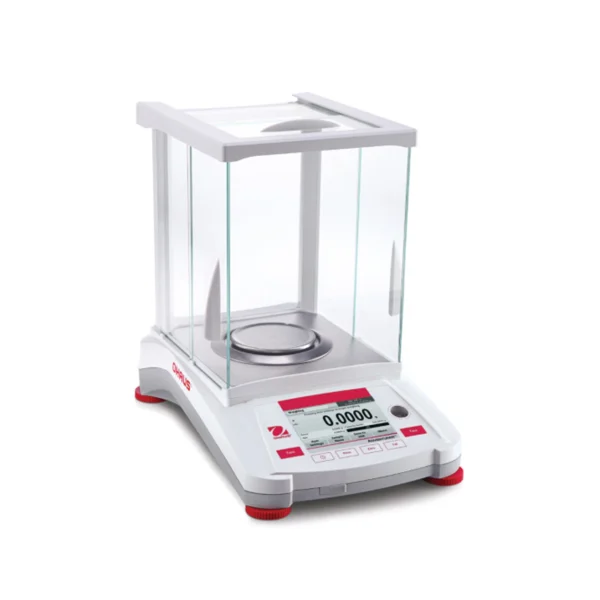
In modern industries where measurement accuracy directly impacts quality, cost, and compliance, the Internal Calibration Weighing Machine has become an essential tool. These advanced weighing systems are designed with built-in calibration technology that automatically adjusts and maintains accuracy without requiring frequent external calibration. This makes them highly reliable for laboratories, manufacturing units, pharmaceutical industries, and precision-based research environments.
What is an Internal Calibration Weighing Machine?
An Internal Calibration Weighing Machine is a precision balance equipped with an automatic internal calibration system. Unlike traditional weighing scales that require manual calibration using external weights, this system uses an internal motorized mechanism to calibrate itself at regular intervals or when environmental conditions change.
This ensures that the machine consistently delivers accurate readings, even when there are temperature fluctuations, vibrations, or time-based drift in measurement performance.
How Internal Calibration Technology Works
The internal calibration process is designed to eliminate human intervention and reduce errors. The system uses a built-in reference weight and automated mechanism that activates calibration based on predefined conditions such as:
- Temperature variation
- Time schedule (daily or periodic calibration)
- User command
- Power restart or environmental changes
Once activated, the system adjusts the balance internally and restores optimal accuracy. This ensures that the weighing machine remains reliable throughout its usage cycle.
Key Benefits of Internal Calibration Weighing Machine
1. High Accuracy and Consistency
One of the biggest advantages of an Internal Calibration Weighing Machine is consistent accuracy. Since calibration is automatic, the chances of human error are eliminated. This results in highly precise measurements every time.
2. Reduced Maintenance Effort
Traditional weighing machines require frequent manual calibration, which consumes time and effort. Internal calibration systems significantly reduce maintenance requirements, making them ideal for busy industrial environments.
3. Improved Operational Efficiency
With automatic calibration, users do not need to stop operations for manual adjustments. This improves workflow efficiency, especially in laboratories and production units where time is critical.
4. Stability in Changing Conditions
Environmental changes such as temperature shifts or vibration can affect weighing accuracy. Internal calibration systems automatically correct these variations, ensuring stable and reliable results.
5. Long-Term Reliability
By continuously maintaining accuracy, the system reduces wear and tear caused by manual handling. This increases the lifespan of the weighing machine and ensures long-term performance.
Applications of Internal Calibration Weighing Machine
The Internal Calibration Weighing Machine is widely used across various industries due to its precision and reliability. Some common applications include:
- Pharmaceutical laboratories for drug formulation and testing
- Chemical industries for accurate ingredient measurement
- Food processing units for quality control
- Research laboratories for scientific experiments
- Jewelry and precious metal industries for precise weighing
In all these fields, accuracy is critical, and even a small measurement error can lead to significant losses or compliance issues.
Why Businesses Prefer Internal Calibration Systems
Businesses today prioritize automation and accuracy. Internal calibration weighing machines eliminate dependency on manual calibration tools and trained technicians. This reduces operational costs and ensures consistent quality output.
Additionally, these machines comply with modern quality standards and regulatory requirements, making them suitable for industries where precision is mandatory.
Conclusion
The Internal Calibration Weighing Machine is a smart and efficient solution for industries that require high-precision measurements. With built-in calibration technology, it delivers consistent accuracy, reduces maintenance efforts, and enhances operational efficiency. Its ability to adapt to environmental changes and maintain stability makes it a valuable investment for laboratories and industrial applications.