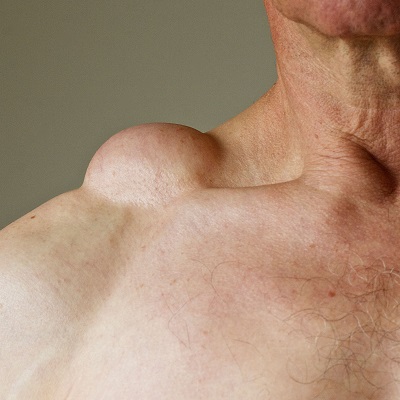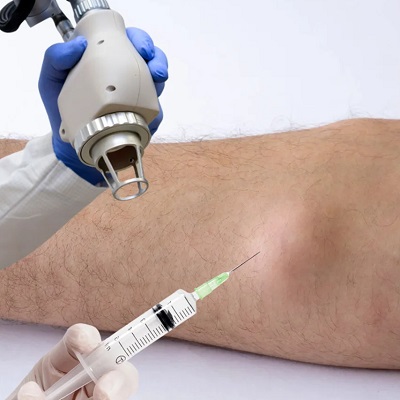

Lipomas are among the most common benign growths that develop beneath the skin. Although they are generally harmless and slow-growing, they can sometimes become uncomfortable, increase in size, or interfere with everyday activities. In such situations, seeking Lipoma Treatment may be the right choice to improve comfort, mobility, and overall quality of life.
Many people ignore a lipoma because it often does not cause pain in its early stages. However, certain changes should never be overlooked. Recognizing the signs that indicate a lipoma needs medical attention can help prevent unnecessary discomfort and provide peace of mind.
This guide explains what lipomas are, the warning signs that may indicate treatment is needed, available treatment options, and answers to common questions.
What Is a Lipoma?
A lipoma is a soft, fatty lump that develops just beneath the skin. It is made up of fat cells and usually grows slowly over time. Lipomas can occur almost anywhere on the body, but they are most commonly found on the:
- Neck
- Shoulders
- Back
- Arms
- Chest
- Thighs
Most lipomas feel soft to the touch and move slightly when pressed. They are generally painless and are considered non-cancerous. While many lipomas never require treatment, some can become problematic depending on their size, location, or symptoms.
Signs That You May Need Lipoma Treatment
Not every lipoma requires medical intervention. However, certain symptoms may indicate that it is time to consider Lipoma Treatment.
The Lipoma Is Growing Rapidly
Most lipomas grow very slowly over several years. If a lump suddenly begins increasing in size within weeks or months, it should be evaluated by a healthcare professional.
Rapid growth does not necessarily mean something serious, but it deserves proper assessment to rule out other conditions and determine whether treatment is appropriate.
It Causes Pain or Tenderness
Lipomas are usually painless. However, they can become uncomfortable if they press against nearby nerves, muscles, or blood vessels.
Pain may occur when:
- The lipoma grows larger
- It develops in a sensitive area
- Pressure is applied during daily activities
- Clothing rubs against it repeatedly
Persistent pain is one of the most common reasons people seek Lipoma Treatment.
It Interferes with Movement
A lipoma located near joints or muscles may limit normal movement. For example, a lump on the shoulder, elbow, knee, or thigh can make bending or stretching uncomfortable.
When a lipoma begins affecting mobility or physical activities, treatment may help restore comfort and improve daily function.
The Lipoma Changes in Appearance
Any noticeable changes in the lump should be evaluated. These changes may include:
- Rapid enlargement
- Changes in shape
- Increased firmness
- Skin discoloration
- Swelling around the lump
Although these changes are not always a cause for concern, they should never be ignored because they may require further examination.
It Becomes Frequently Irritated
Lipomas located in areas that experience constant friction may become irritated over time. Common locations include:
- Under bra straps
- Around waistbands
- On the neck where collars rub
- Under backpack straps
Repeated irritation can lead to discomfort and inflammation, making Lipoma Treatment a practical option.
Multiple Lipomas Develop
Some individuals develop several lipomas throughout the body. While having multiple lipomas is often linked to hereditary conditions, managing several lumps can become uncomfortable or cosmetically concerning.
A healthcare provider can recommend the most suitable treatment plan based on the number, size, and location of the lipomas.
Cosmetic Concerns Affect Confidence
Even when a lipoma is painless, it may become noticeable if it develops in visible areas such as the neck, forehead, arms, or shoulders.
Many people choose Lipoma Treatment because the lump affects their confidence or causes self-consciousness. Cosmetic concerns are a valid reason to discuss treatment options with a medical professional.
When Should a Lump Be Checked?
Not every lump beneath the skin is a lipoma. Because various conditions can resemble a lipoma, any new lump should be professionally evaluated.
Medical assessment is especially important if the lump:
- Appears suddenly
- Feels hard instead of soft
- Is fixed in place
- Continues growing quickly
- Causes severe pain
- Is accompanied by redness or warmth
- Bleeds or develops an open sore
Proper diagnosis helps ensure appropriate care and rules out more serious conditions.
How Is a Lipoma Diagnosed?
Healthcare providers typically begin with a physical examination. Since lipomas have distinct characteristics, they are often identified during the initial assessment.
If there is any uncertainty, additional tests may be recommended, including:
- Ultrasound imaging
- MRI scan
- CT scan
- Tissue biopsy in selected cases
These tests help confirm the diagnosis and determine the most appropriate treatment plan.
Lipoma Treatment Options
The best Lipoma Treatment depends on the size of the lump, its location, symptoms, and the individual’s overall health.
Observation
Small, painless lipomas that remain stable often require no immediate treatment. Regular monitoring may be recommended to watch for changes over time.
Surgical Removal
Surgical removal is one of the most effective treatment methods. During the procedure, the lipoma is carefully removed along with its surrounding capsule to reduce the likelihood of recurrence.
Many people choose surgery when the lipoma causes pain, restricts movement, grows larger, or creates cosmetic concerns.
Liposuction
Some lipomas may be treated using liposuction techniques. This approach removes fatty tissue through a small incision and may be considered for selected cases.
The suitability of liposuction depends on the characteristics of the lipoma and should be determined by a qualified healthcare provider.
Ongoing Monitoring
Even after treatment, routine follow-up may be recommended to ensure proper healing and monitor for any recurrence, although most treated lipomas do not return.
Can Lipomas Go Away on Their Own?
Lipomas rarely disappear without treatment. In most cases, they remain the same size or gradually enlarge over time.
Although they are generally harmless, monitoring them for changes remains important. If symptoms develop or the lump begins affecting daily life, discussing Lipoma Treatment with a healthcare provider is advisable.
Tips for Monitoring a Lipoma
People who choose observation rather than immediate treatment should regularly monitor the lump.
Helpful tips include:
- Check the size every few months.
- Take photos periodically for comparison.
- Note any changes in pain or tenderness.
- Watch for skin changes around the lump.
- Report rapid growth to a healthcare professional.
- Avoid squeezing or attempting to remove the lipoma at home.
Home removal attempts can increase the risk of infection, bleeding, and scarring.
Benefits of Early Lipoma Treatment
Seeking treatment before a lipoma becomes large may offer several advantages.
These include:
- Reduced discomfort
- Improved mobility
- Better cosmetic outcomes
- Simpler treatment in some cases
- Lower risk of ongoing irritation
- Greater peace of mind after proper diagnosis
Early evaluation also helps ensure that the lump is accurately identified and appropriately managed.
Final Thoughts
Lipomas are common, non-cancerous fatty growths that often require little or no treatment. However, changes in size, pain, appearance, or function should never be ignored. A growing or uncomfortable lipoma can interfere with daily activities and may benefit from timely Lipoma Treatment.
Recognizing the warning signs early allows individuals to make informed healthcare decisions and receive appropriate evaluation. Whether treatment involves monitoring or removal, consulting a qualified healthcare professional is the best way to determine the most suitable approach for each individual case.
1. What is the main reason someone may need Lipoma Treatment?
The most common reasons include pain, rapid growth, restricted movement, cosmetic concerns, frequent irritation, or uncertainty about the diagnosis. A healthcare provider can determine whether treatment is necessary after evaluating the lump.
2. Are lipomas dangerous?
Most lipomas are benign and not dangerous. However, any lump that changes rapidly, becomes painful, feels hard, or develops unusual symptoms should be examined to rule out other conditions.
3. Can a lipoma become cancerous?
A typical lipoma does not become cancerous. However, because some rare tumors can resemble lipomas, new or changing lumps should always be evaluated by a healthcare professional for an accurate diagnosis.
4. Is surgery the only Lipoma Treatment option?
No. Small, symptom-free lipomas may simply be monitored. Depending on the individual case, treatment options may include observation, surgical removal, or liposuction.
5. Can lipomas come back after treatment?
Most lipomas do not return after complete removal. However, recurrence is possible in some cases, particularly if fatty tissue remains. Regular follow-up can help monitor the treated area.
6. Should someone try to remove a lipoma at home?
No. Attempting to squeeze, cut, or remove a lipoma at home can lead to infection, bleeding, scarring, and other complications. Safe evaluation and treatment should always be performed by a qualified healthcare professional.
Read More About Lipoma Treatment: https://kataberita.net/signs-you-may-benefit-from-profhilo-treatment/