
In the construction and heavy equipment industry, machines alone are not enough to guarantee success. The skill, knowledge, and safety awareness of the operator play an equally important role. This is why Training & Certification has become a critical requirement across all modern construction sites and industrial operations.
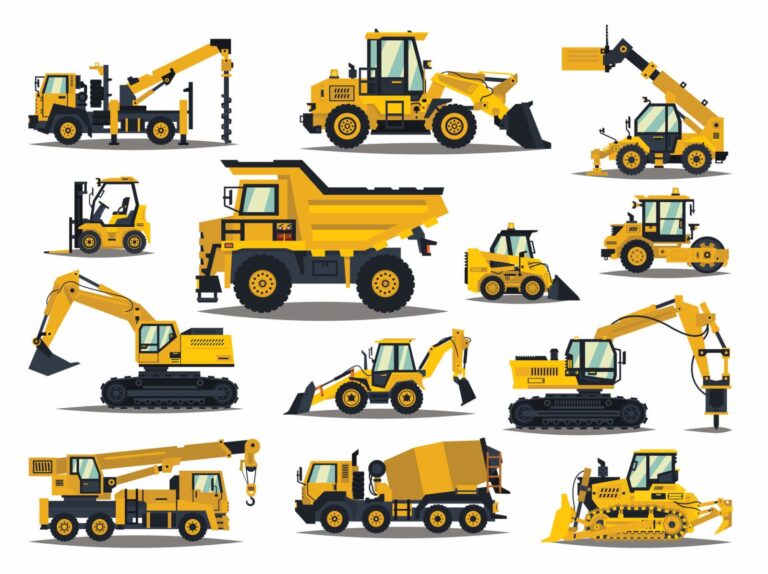
Training & certification programs ensure that operators and technicians understand how to safely and efficiently use heavy machinery such as excavators, cranes, skid steers, drilling rigs, and compaction equipment. Proper training not only improves productivity but also reduces accidents, equipment damage, and project delays.
Companies like Pile Driving USA support professional standards in heavy construction by promoting skilled operation and specialized knowledge for complex equipment used in pile driving and foundation projects.
What Is Training & Certification in Equipment Use?
Training & certification refers to structured programs designed to teach individuals how to operate, maintain, and safely handle construction and industrial equipment.
These programs typically include:
Classroom instruction
Hands-on machine training
Safety procedures and regulations
Equipment operation techniques
Emergency response training
Final certification exams
The goal is to ensure that operators are fully qualified before working on real job sites.
Why Training & Certification Is Important
Proper training is essential in the construction industry due to the high-risk nature of heavy machinery.
Improves Workplace Safety
Trained operators understand how to handle machines safely, reducing accidents and injuries.
Increases Efficiency
Certified operators can complete tasks faster and with greater precision.
Reduces Equipment Damage
Proper handling prevents misuse and mechanical failures.
Ensures Legal Compliance
Many regions require certification for operating heavy equipment.
Enhances Job Opportunities
Certified workers have better employment prospects and higher earning potential.
Types of Equipment Training Programs
Training programs vary depending on equipment type and industry needs.
Heavy Equipment Operation Training
Covers large machines used in construction.
Includes:
Excavators
Bulldozers
Loaders
Skid steers
Focuses on safe operation, maneuvering, and job site procedures.
Crane Operation Training
Crane training is highly specialized due to safety risks.
Includes:
Load handling
Balance and stability
Signal communication
Emergency shutdown procedures
Pile Driving & Foundation Equipment Training
Specialized training for deep foundation work.
Includes:
Pile hammer operation
Drilling rig control
Soil condition assessment
Equipment alignment techniques
Companies like Pile Driving USA emphasize proper training for complex foundation machinery to ensure safe and accurate installation.
Compaction Equipment Training
Focuses on soil and surface preparation machinery.
Includes:
Rollers
Plate compactors
Rammers
Operators learn proper compaction techniques and surface safety.
Safety Training Programs
Safety training is a core part of certification.
Includes:
PPE usage (helmets, gloves, boots)
Hazard identification
Job site safety rules
Emergency response procedures
Certification Process
The certification process generally includes several stages:
- Enrollment
Participants register in a recognized training program.
- Theoretical Learning
Students learn equipment functions, safety rules, and operational principles.
- Practical Training
Hands-on experience with real machines under supervision.
- Assessment
Written and practical exams to evaluate skills.
- Certification Issuance
Successful candidates receive official certification.
Benefits of Training & Certification
- Safer Job Sites
Reduces accidents caused by operator error.
- Higher Productivity
Skilled operators complete tasks more efficiently.
- Better Equipment Care
Proper usage reduces wear and tear on machinery.
- Career Growth
Certified operators have more job opportunities globally.
- Compliance with Industry Standards
Many companies and governments require certified operators.
Industries That Require Training & Certification
Training programs are essential across multiple industries:
Construction
For operating excavators, cranes, and loaders.
Pile Driving & Foundation Work
For specialized drilling and piling equipment.
Oil & Gas
For heavy drilling and industrial machinery.
Mining
For high-capacity earthmoving and extraction machines.
Infrastructure Projects
For large-scale road, bridge, and tunnel construction.
Common Challenges Without Training
Lack of proper certification can lead to serious issues:
Increased workplace accidents
Equipment damage and breakdowns
Project delays
Legal penalties and compliance issues
Reduced efficiency and performance
Proper training eliminates these risks.
Training vs Certification
Training
Focuses on learning skills and knowledge
Includes hands-on practice
Prepares operators for real-world use
Certification
Official proof of competency
Required for job site authorization
Validates safety and skill standards
Both are essential for professional equipment operation.
Future of Training & Certification
The future of equipment training is evolving with technology:
Virtual reality (VR) simulation training
Online certification programs
AI-based skill assessment
Remote learning platforms
Digital certification tracking systems
These innovations make training more accessible, efficient, and realistic.
Final Thoughts
Training & Certification is a critical foundation of safe and efficient construction operations. Properly trained operators ensure that heavy equipment is used correctly, safely, and productively on every job site.
From cranes and excavators to specialized pile driving systems, certification ensures that workers are fully prepared to handle complex machinery in demanding environments.
With industry-focused support from companies like Pile Driving USA, businesses can promote safer operations and higher performance standards in advanced construction projects.
As construction technology continues to advance, training & certification will remain essential for building a skilled, safe, and highly productive workforce.