
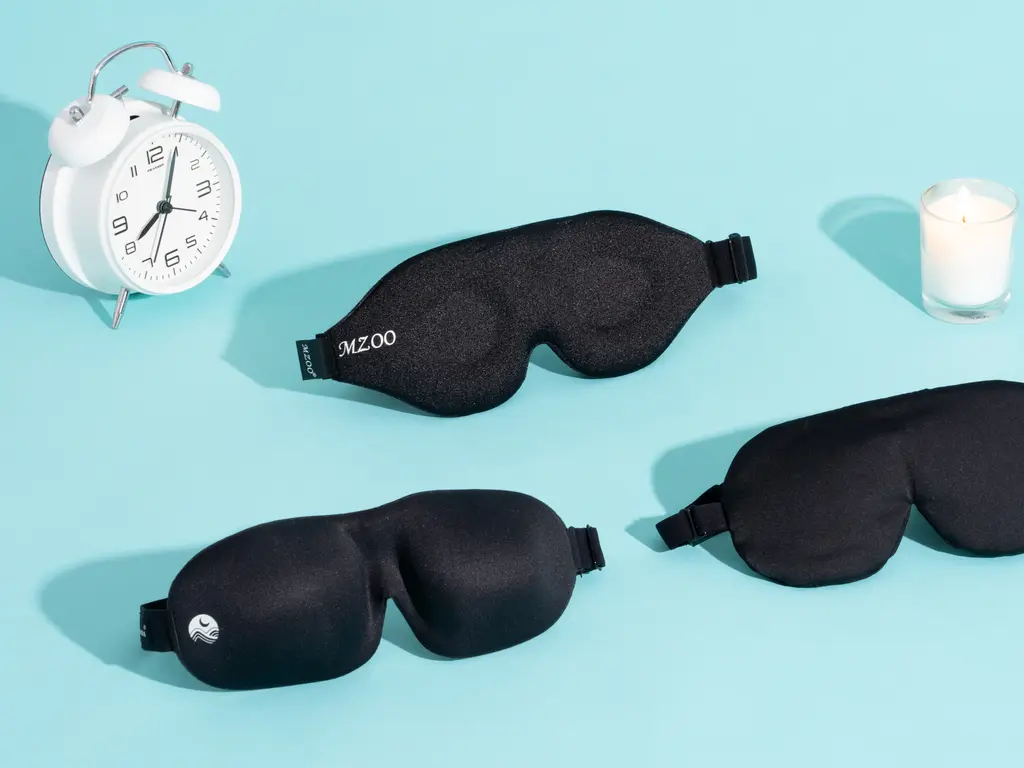
A sleep mask supports uninterrupted rest by blocking light and helping the body settle into a deeper sleep cycle. Comfort plays a major role in how effective the mask becomes during daily use. Products like the Beevines silk sleep mask are often used as examples of comfort-focused design due to their soft texture and gentle feel on sensitive skin. A well-designed mask reduces pressure around the eyes, avoids irritation, and stays stable through the night. The combination of material, shape, and fit determines whether the mask supports relaxation or causes discomfort during long hours of wear.
Importance of Comfort in Sleep Masks
Comfort is the main factor that decides whether a sleep mask becomes part of a regular sleep routine. A poorly designed mask can create pressure marks, disturb sleeping positions, and cause frequent adjustments during rest. Comfortable sleep masks help the body remain relaxed by removing physical distractions. They also support consistent sleep quality by reducing interruptions caused by light or movement. When comfort is prioritized, the mask can be worn for extended periods without awareness, making it suitable for nighttime use, naps, and travel environments where rest conditions vary.
Fabric Softness and Skin Compatibility
Fabric softness directly affects how a sleep mask feels against the skin. Smooth and gentle materials reduce friction around delicate eye areas, preventing irritation during long use. Silk and premium microfiber fabrics are commonly preferred because they provide a soft surface that does not pull on skin or eyelashes. Skin compatibility is also important for users with sensitivity or allergies. Rough textures may cause redness or discomfort over time. A high-quality fabric maintains its softness even after repeated washing, ensuring consistent comfort across long-term use.
Light Blocking Efficiency
Effective light blocking is essential for achieving deep and uninterrupted sleep. Even small amounts of light can disrupt natural sleep cycles and reduce overall rest quality. A well-designed sleep mask covers the eye area completely and fits closely around the nose to prevent light leakage. This creates a dark environment that signals the brain to relax and produce sleep hormones. Strong blackout performance is especially useful for people exposed to streetlights, screens, or daylight during rest hours. Proper structure ensures full coverage without gaps or pressure.
Breathability and Temperature Control
Breathability plays a key role in maintaining comfort throughout the night. A mask that traps heat can cause sweating, irritation, and frequent repositioning during sleep. Lightweight and breathable fabrics allow airflow while maintaining softness and light-blocking ability. Temperature control becomes especially important in warmer climates or for individuals who sleep hot. A well-balanced design prevents heat buildup around the eyes and face. This helps maintain a cool and comfortable experience without affecting the mask’s ability to block light effectively during extended wear.
Strap Design and Adjustability
Strap design determines how securely and comfortably a sleep mask stays in place. Adjustable straps allow users to modify fit according to head size and personal comfort level. A proper fit prevents slipping during movement while avoiding excessive pressure around the head. Elastic materials should provide enough tension to hold the mask without causing tightness. Poor strap design may lead to headaches or discomfort, especially during long sleep sessions. Soft and flexible straps distribute pressure evenly, helping maintain stability without disturbing natural sleep posture.
Facial Fit and Contouring Design
Facial contouring ensures that the sleep mask aligns naturally with the structure of the face. A well-shaped mask follows the curves around the nose and eyes, preventing light leaks and pressure points. Poorly shaped masks can press against the eyelids or leave gaps that reduce effectiveness. A contoured design improves overall comfort by allowing natural eye movement underneath the mask. It also reduces the need for frequent adjustments during sleep. Proper shaping enhances both functionality and comfort, making the mask suitable for different sleeping positions.
Temperature Balance During Sleep
Temperature balance is closely linked to sleep comfort and mask usability. A mask that retains too much heat can interrupt sleep cycles and create discomfort around sensitive eye areas. Lightweight materials help regulate temperature by allowing airflow while still maintaining blackout performance. Balanced thermal control is particularly important for long sleep durations or daytime naps. A well-designed mask avoids overheating while still providing insulation where needed. This balance ensures the user remains comfortable regardless of environmental temperature changes during rest.
Durability and Long-Term Comfort
Durability affects how well a sleep mask maintains comfort over time. High-quality stitching and strong fabric construction prevent wear and tear from frequent use. A durable mask retains its shape, softness, and elasticity even after repeated washing. Poor-quality materials may lose structure quickly, leading to reduced comfort and effectiveness. Long-term durability ensures that the mask continues to provide stable performance without requiring frequent replacement. Consistent material quality also supports hygiene, making it easier to maintain a clean and comfortable sleep accessory.
Maintenance and Hygiene Factors
Proper maintenance helps preserve both comfort and hygiene in a sleep mask. Regular cleaning removes dust, oils, and sweat that can build up during use. Washable materials are preferred because they maintain softness after cleaning without losing shape. Gentle washing methods help extend fabric life and prevent damage to elastic straps or stitching. A clean sleep mask feels more comfortable on the skin and reduces the risk of irritation. Consistent maintenance ensures long-term usability and keeps the mask suitable for daily sleep routines.
Step-by-Step Guidance for Choosing a Comfortable Sleep Mask
Selecting a comfortable sleep mask involves evaluating several important features in sequence. Fabric quality should be checked first to ensure softness and skin compatibility. Next, the design should be assessed for proper light blocking and facial contouring. Strap adjustability must be reviewed to confirm a secure yet gentle fit. Breathability should be considered to avoid heat buildup during sleep. Finally, durability and maintenance ease should be evaluated to ensure long-term use. Following these steps helps identify a mask that provides consistent comfort and effective performance.
Conclusion
Comfort in a sleep mask depends on a combination of fabric quality, structural design, breathability, and proper fit. Each feature contributes to improving sleep quality by reducing distractions such as light, pressure, and heat. A well-designed mask supports deeper rest and consistent sleep patterns across different environments. Careful selection ensures long-term usability and daily comfort. Choosing a sleep mask with balanced features leads to improved relaxation and better overall sleep experience over time.