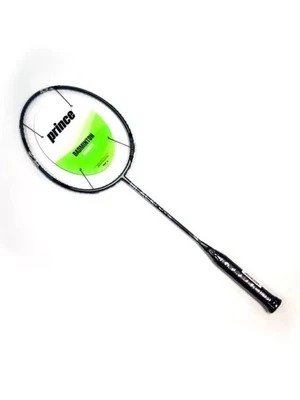



A badminton racket can change how a shot feels, how quickly you react at the net, and how confidently you play under pressure. Yet choosing one is not simply a matter of buying the most expensive model or selecting a racket labelled for beginners or advanced players.
Your playing style, preferred shots, grip comfort, racket balance, and string setup all influence how a racket performs in your hands.
For players in Dubai, Abu Dhabi, Sharjah, Ajman, Ras Al Khaimah, and across the UAE, finding the right racket starts with understanding your own game. Whether you play casually with friends, compete in local matches, or train several times a week, the right combination of features can make your equipment feel more natural.
Identify Your Natural Playing Style
Before comparing racket specifications, think about the shots you rely on most.
Some players prefer attacking from the back of the court, using smashes and clears to put pressure on opponents. Others rely on fast exchanges, controlled placement, and quick reactions near the net.
Your style can help determine which racket characteristics deserve the most attention.
Players Who Prefer Attacking Shots
If you regularly use powerful smashes and deep clears, you may want to consider a racket with a head-heavy balance.
This design places more of the racket’s weight towards the head, which can influence swing feel and momentum.
However, a head-heavy racket is not automatically more powerful for every player. Your technique, swing speed, timing, and physical comfort also affect shot quality.
Players Who Value Speed and Quick Reactions
If your game involves fast doubles exchanges, defensive blocks, and frequent changes of direction, you may prefer a racket that feels easier to manoeuvre.
Even balance or head-light designs can be worth exploring because they may feel quicker to position during rapid rallies.
The best choice depends on how the racket feels when you move it through your normal shots.
Players Who Want an All-Round Option
If you play a mixture of singles, doubles, attacking shots, and defensive returns, an all-round racket may provide a useful starting point.
An even-balanced design can offer a compromise between head-heavy and head-light characteristics.
It will not automatically improve every part of your game, but it may be a practical option if you do not want equipment strongly tailored to one playing style.
Racket Balance: Head-Heavy, Even, or Head-Light?
Balance describes how the racket’s weight is distributed.
Head-Heavy Balance
A head-heavy racket carries more weight towards the racket head.
Some players like the feel during attacking shots and clears from the rear court. The trade-off is that the racket may feel slower to reposition during quick exchanges.
Even Balance
An even-balanced racket distributes its weight more centrally.
It can suit players who want a versatile feel across different shot types without a strong preference for either extreme.
Head-Light Balance
A head-light racket places relatively more of its balance towards the handle.
Some players find this helpful for quick handling, particularly during doubles defence and net exchanges.
Remember that balance is only one factor. Total racket weight, shaft flexibility, frame design, and string tension also influence the playing experience.
Understand Racket Weight
Badminton rackets are available in different weight categories. Manufacturers may use labels such as 3U, 4U, or 5U, although exact specifications and tolerances can vary.
Lighter rackets can feel easier to manoeuvre, particularly during fast exchanges. Heavier options may feel more substantial to some players but can demand more effort over a long session.
Do not assume that lighter always means better.
A racket should feel controllable throughout your normal playing duration. If it feels too light or unstable during your preferred shots, another weight category may suit you better.
When comparing models, check the manufacturer’s stated weight and whether the figure refers to an unstrung racket.
Shaft Flexibility and Shot Control
Shaft flexibility affects how the racket responds during a swing.
Common descriptions include flexible, medium, and stiff, although manufacturers may use different terminology.
A more flexible shaft bends more readily under load. A stiffer shaft generally bends less and may suit players who generate sufficient swing speed and prefer a more direct response.
Neither option guarantees better power or accuracy.
Your technique, timing, and ability to load the shaft effectively matter. A shaft that feels suitable for one player may feel difficult to control for another.
If you are new to badminton, a forgiving all-round design may be a sensible starting point. More experienced players may prefer to experiment with different flex ratings to find their preferred feel.
Grip Size Can Change Your Experience
Grip size is easy to overlook when buying online, but it affects how securely and comfortably you hold the racket.
A grip that is too large may make finger control more difficult. A grip that is too small may feel insecure or encourage you to squeeze too tightly.
Consider your hand size, preferred grip technique, and whether you intend to add an overgrip.
If possible, hold a racket before purchasing. If that is not practical, review the manufacturer’s grip-size information carefully.
Overgrips can change the final thickness, so allow for that if you already know your preferred setup.
String Tension: More Is Not Always Better
String tension influences the feel of the racket when the shuttle makes contact.
Higher tension can provide a firmer response and may appeal to players who consistently make accurate contact. Lower tension can offer a different feel and may be more forgiving for some players.
However, the relationship between tension, power, and control is not identical for everyone.
Your technique, racket design, string type, and personal preference all contribute to the result.
Always stay within the racket manufacturer’s recommended tension range. Exceeding the stated limit can increase the risk of frame damage.
If you are unsure, ask an experienced stringer to recommend a suitable starting tension based on your playing level and style.
Singles and Doubles May Call for Different Priorities
The format you play can influence your racket preferences.
Singles often involves longer rallies, court coverage, and a mixture of clears, drops, and attacking shots. Some players prefer a racket that feels stable and comfortable during repeated rear-court strokes.
Doubles can involve faster exchanges, defensive reactions, drives, and rapid net play. Quick manoeuvrability may therefore become a higher priority.
These are general tendencies rather than strict rules. Many rackets work well across both formats, and individual playing style matters more than assuming every singles or doubles player needs a specific design.
Choosing a Racket for Your Experience Level
Beginners
If you are learning the game, prioritise comfort, manageable weight, and a racket that is easy to control.
You do not need a professional competition model to develop reliable technique.
A balanced design with a suitable shaft feel can be a practical starting point while you learn clears, serves, lifts, and basic defensive shots.
Regular Club Players
Players who train consistently may have a clearer idea of their preferences.
You may want to compare balance, shaft stiffness, weight, and grip options to find a racket that suits your normal style of play.
Consider whether your current racket feels slow during defence, difficult to control at the net, or less comfortable during longer sessions.
Experienced and Competitive Players
Experienced players may benefit from more detailed comparisons of racket specifications.
Frame design, shaft response, string tension, and overall feel can become more important when you have established technique and consistent shot patterns.
Even at this level, the most expensive racket is not necessarily the best match. Choose based on performance characteristics that suit your game.
Materials and Frame Construction
Many modern badminton rackets use graphite-based materials or composite construction.
The frame and shaft design influence weight, stiffness, durability, and overall response.
When comparing products, review the manufacturer’s specifications rather than relying only on marketing terms such as professional, premium, or tournament-ready.
Also check the intended playing level, recommended string tension, and any restrictions on use.
A racket designed for regular competitive play may offer features you do not need for occasional recreational games.
Check the Racket Before You Buy
Product photographs can show the overall design, but they cannot fully communicate how a racket feels during a swing.
Before ordering, review:
- Weight category
- Balance point or balance classification
- Shaft flexibility
- Grip size
- Frame material
- Recommended string tension
- Whether the racket comes pre-strung
- Included cover or accessories
- Manufacturer warranty
- Delivery information
If the racket is supplied unstrung, remember to account for the cost and time required to have it strung before playing.
Also check whether the listed weight applies to the unstrung racket, as specifications can differ between manufacturers.
Looking After Your Badminton Racket in the UAE
The UAE’s climate makes equipment care worth considering, particularly if you carry your racket between outdoor areas, air-conditioned venues, and vehicles.
Avoid leaving the racket in a hot car or in direct sunlight for extended periods. Excessive heat may affect strings, grips, and some materials over time.
After playing, wipe away moisture from the handle and frame as appropriate. Store the racket in a protective cover and avoid placing heavy objects on top of it.
Check the strings and frame periodically for signs of wear or damage. If the frame is cracked or visibly damaged, stop using it until it has been assessed.
Common Racket Buying Mistakes
Choosing by Brand or Price Alone
A popular model may not match your playing style. Compare the specifications and intended use.
Buying the Stiffest Shaft Available
A stiff shaft is not automatically more powerful or accurate for every player.
Ignoring Grip Comfort
The wrong grip size can affect handling and comfort.
Assuming Higher String Tension Is Better
Choose tension according to your technique, preferences, and the manufacturer’s limits.
Forgetting About Stringing
Check whether the racket arrives ready to play or requires a separate stringing service.
Find Badminton Rackets for Your Playing Style
When comparing badminton rackets, begin with your preferred style of play and then narrow the options using weight, balance, shaft flexibility, grip size, and string specifications.
A useful racket should feel manageable during defence, comfortable during repeated swings, and appropriate for the shots you use most often.
If you are buying for a family or several recreational players, remember that one racket specification may not suit everyone. Different users may benefit from different weights and grip sizes.
Frequently Asked Questions
Which badminton racket is best for beginners?
Look for a racket that feels comfortable, offers manageable weight, and suits your current technique. A versatile design can be useful while you learn the game.
Is a head-heavy racket better for smashes?
Some players prefer head-heavy rackets for attacking play, but smash performance also depends on technique, timing, swing speed, and the racket’s other specifications.
Is a lightweight badminton racket always better?
No. A lighter racket may feel easier to manoeuvre, while another weight may provide a feel you prefer. Comfort and control are important.
What string tension should I choose?
The right tension depends on your technique, preferences, string type, and racket specifications. Stay within the manufacturer’s recommended range.
Should I choose a different racket for doubles?
Not necessarily. Some doubles players prioritise quick handling, but the best choice depends on your individual style and comfort.
Final Thoughts
The right badminton racket should complement your natural game rather than force you to change how you play.
Consider balance, weight, shaft flexibility, grip comfort, and string tension together. Then compare the specifications with the shots and playing conditions you encounter most often.
For players across the UAE, proper storage and protection from excessive heat can also help keep equipment in good condition.
Choose a racket that feels comfortable, suits your current ability, and supports the way you want to develop as a player. For more sports and fitness equipment, explore Athletix.