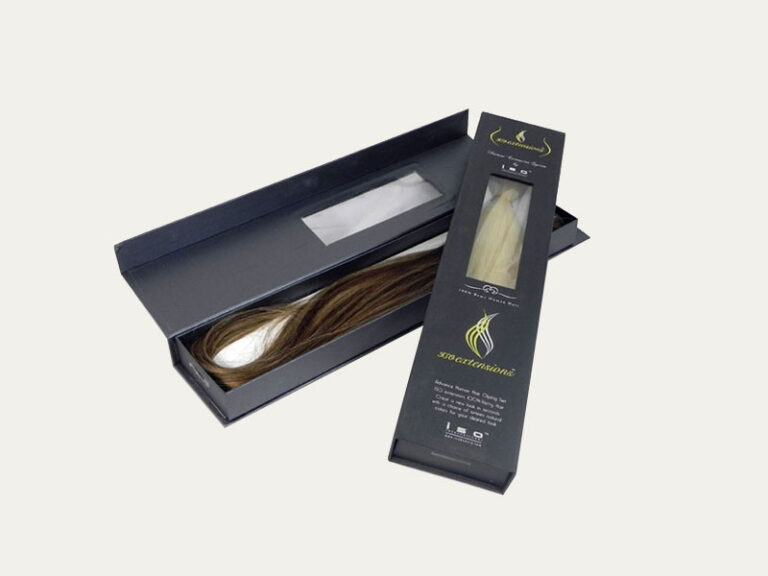
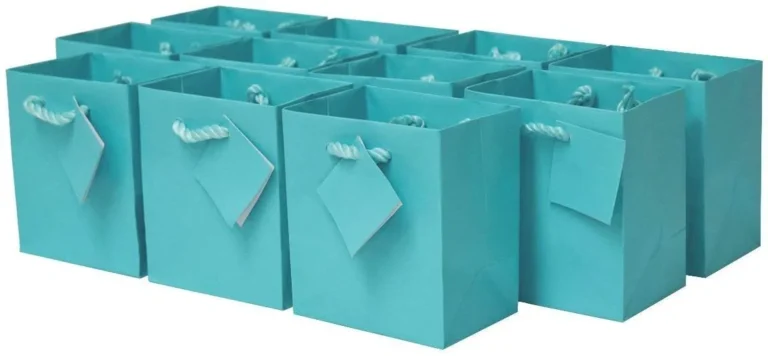
Rigid box packaging has emerged as a top choice for businesses and consumers seeking premium-quality packaging solutions. Its durability, aesthetic appeal, and versatility make it ideal for a wide range of industries, from luxury goods to electronics. In this article, we explore the latest trends and insights into rigid box packaging, focusing on material, sizes, shapes, quality, and color.
Materials Used in Rigid Box Packaging
The choice of material in rigid box packaging is pivotal to achieving both durability and elegance. Here are the most commonly used materials:
- Chipboard and Greyboard:
- Chipboard is the backbone of most rigid boxes. It provides structural integrity while remaining cost-effective.
- Greyboard, a denser variation of chipboard, is preferred for luxury items due to its added strength.
- Kraft Paper:
- Eco-conscious brands increasingly use kraft paper for rigid box exteriors. It’s biodegradable, recyclable, and offers a natural aesthetic.
- Specialty Paper:
- Laminated, embossed, or textured paper adds a premium feel.
- Examples include velvet-touch paper for jewelry boxes or metallic paper for luxury cosmetics.
- Fabric and Leather Wraps:
- For ultra-luxurious boxes, materials like suede, velvet, or faux leather are used. These wraps elevate the tactile experience and perceived value.
- Innovative Materials:
- Sustainable options, such as recycled cardboard or biodegradable composites, are gaining traction in response to environmental concerns.
Sizes: Tailored to Perfection
Rigid box sizes vary widely depending on the product type and market requirements. Modern manufacturing techniques allow brands to create custom sizes with precision.
- Standard Sizes:
- Ideal for mass-market items like smartphones, perfume bottles, or gourmet chocolates. These sizes are pre-designed to fit common products efficiently.
- Custom Sizes:
- Tailored boxes ensure a snug fit for unique or irregularly shaped products, reducing the need for excessive inner packaging.
- Advanced CAD software now enables precise design and prototyping for custom dimensions.
- Flat Pack and Collapsible Options:
- While traditionally rigid boxes are non-collapsible, innovative flat-pack designs now offer space-saving solutions for storage and shipping without compromising structural integrity.
Shapes: Creativity Unleashed
Rigid boxes come in a plethora of shapes, each catering to different aesthetics and functionalities.
- Rectangular and Square:
- These classic shapes dominate the market due to their versatility and ease of stacking.
- Often used for electronics, apparel, and gift items.
- Round and Cylindrical:
- Perfect for candles, premium liquor, and cosmetic jars.
- Offers a unique visual appeal, distinguishing products on retail shelves.
- Book-Style Boxes:
- Mimicking the appearance of a book, these boxes are popular for limited-edition items, luxury chocolates, or collectibles.
- Drawer Boxes:
- Featuring a pull-out drawer mechanism, these boxes add a touch of sophistication and are widely used for jewelry and fashion accessories.
- Innovative Shapes:
- Hexagonal, triangular, or even completely asymmetrical designs are now achievable thanks to advances in cutting and assembly technologies.
- Such shapes are perfect for brands aiming to stand out in a competitive market.
Quality: Balancing Durability and Elegance
Quality is the defining feature of rigid box packaging, influencing both functionality and consumer perception.
- Durability:
- Rigid boxes are designed to protect fragile or expensive items. The material thickness typically ranges from 1.5 mm to 3 mm, ensuring superior strength.
- Double-wall or reinforced designs are used for heavier products.
- Finish and Coating:
- Matte, glossy, or satin finishes contribute to the overall aesthetic.
- Coatings like UV, anti-scratch, or water-resistant laminations enhance durability and appearance.
- Precision Manufacturing:
- Modern techniques ensure perfect alignment of edges, clean folds, and seamless lamination, contributing to a polished look.
- Magnetic Closures and Inserts:
- High-quality closures, such as magnets or ribbons, add functionality while enhancing the luxury feel.
- Inserts made from EVA foam, molded pulp, or cardboard ensure products remain secure and presentable.
Color Trends in Rigid Box Packaging
Color plays a vital role in capturing attention and conveying brand identity. Recent trends highlight how brands are using color to stand out:
- Monochromatic Designs:
- Single-color boxes, especially in black, white, or pastel shades, evoke sophistication and minimalism.
- Bold and Vibrant Hues:
- Bright colors like electric blue, neon yellow, or metallic gold make a statement and appeal to younger demographics.
- Gradients and Ombré Effects:
- A smooth transition between colors adds depth and visual intrigue, increasingly popular for beauty and lifestyle products.
- Natural Tones:
- Earthy colors, such as kraft brown, forest green, and sandstone, resonate with eco-conscious consumers.
- Custom Printing:
- Digital printing technology allows for high-resolution graphics, personalized messages, or intricate patterns directly on the box.
- Foil Stamping and Embossing:
- Metallic foils in gold, silver, or rose gold add a luxurious shine. Embossed logos and designs provide a tactile experience.
Applications of Rigid Box Packaging
Rigid boxes are used across industries for their combination of elegance and practicality.
- Luxury Goods: Perfumes, watches, and jewelry are often housed in rigid boxes to enhance their appeal.
- Technology: High-end electronics, such as smartphones or headphones, rely on rigid packaging for both protection and branding.
- Food and Beverages: Gourmet chocolates, premium teas, and wines often come in rigid boxes to convey exclusivity.
- Corporate Gifting: Custom rigid boxes with company logos are popular for corporate gifts, ensuring a professional presentation.
- Eco-Friendly Options: As sustainability becomes a priority, many brands now opt for rigid boxes made from recycled or biodegradable materials.
Conclusion
Custom rigid boxes continues to be a cornerstone of premium product presentation. Advances in materials, customizable sizes, innovative shapes, and eye-catching color options allow brands to create unique, memorable packaging solutions. Whether you are a luxury brand aiming for a premium look or an eco-conscious company seeking sustainable alternatives, rigid box packaging offers unparalleled versatility and quality.
By staying updated on trends and leveraging cutting-edge manufacturing techniques, businesses can maximize the impact of their packaging, ultimately driving customer satisfaction and loyalty.
O