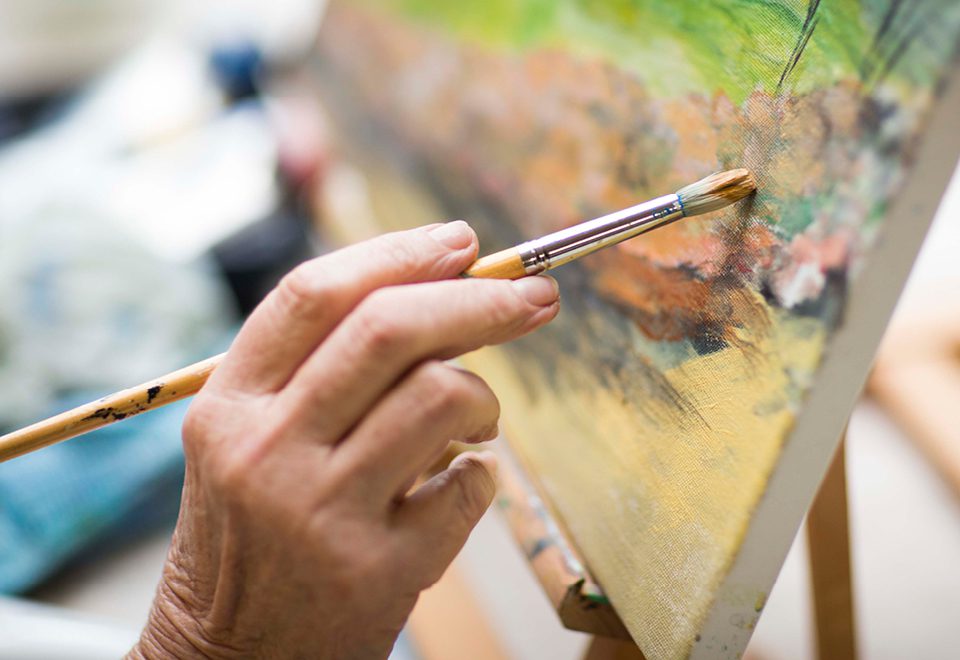
Custom Art Commissions continue to expand across digital platforms, independent artist portfolios, and global creative marketplaces. Clients request personalized artwork that reflects identity, storytelling, branding, and cultural inspiration. Demand spans multiple visual directions, from highly detailed realism to simplified abstract compositions. Each style reflects changing audience preferences influenced by entertainment media, social platforms, and evolving digital tools. Artists now adapt flexible techniques to meet diverse client needs while maintaining originality. These commission styles serve both personal expression and commercial use, making them a major part of today’s creative economy.
Digital Illustration Styles Dominating Commission Market
Digital illustration remains the most widely requested commission style due to flexibility, speed, and creative control. Artists use advanced software tools to produce polished portraits, stylized characters, and commercial visuals. This style supports multiple sub-categories such as semi-realistic rendering, cartoon-inspired artwork, and painterly effects. Smooth gradients, clean line work, and vibrant color schemes define most digital pieces. Clients prefer this format for branding assets, social media profiles, and publishing projects because digital files allow easy revisions, resizing, and adaptation across different platforms without quality loss.
Realism and Hyperrealism Demand
Realism continues to hold strong demand within the art commission market due to its emotional impact and detailed execution. Hyperrealism focuses on capturing lifelike textures, precise lighting, and accurate facial expressions. Artists working in this style often replicate photographic detail using traditional tools such as graphite or oil paint, along with digital rendering software. Clients frequently request realism for portraits, memorial artwork, and pet illustrations. The ability to preserve emotional connection through visual accuracy makes this style highly valued across personal commissions and professional art services.
Anime and Manga Influence
Anime and manga-inspired commissions remain highly popular across global audiences, particularly within gaming and fandom communities. This style combines expressive character design with dynamic visual storytelling. Artists often adapt Japanese illustration techniques while adding unique creative interpretations.
- Clean and bold line art structure
- Bright and expressive color palettes
- Emotionally driven facial expressions
- Stylized proportions and exaggerated features
- Dynamic action-based posing
This style appeals strongly to social media audiences and entertainment fans who value recognizable yet customizable character artwork that reflects personality and narrative themes.
Minimalist and Abstract Commissions
Minimalist and abstract art commissions attract clients who prefer clean design and visual simplicity. These styles rely on reduced color palettes, geometric structures, and simplified shapes to communicate meaning. Businesses frequently use minimalist designs for logos, branding identity, and promotional materials. Abstract compositions focus more on emotional tone rather than realistic representation, allowing artists to express mood through visual balance and contrast. Growing demand for modern digital aesthetics has increased the popularity of these styles in both commercial design and personal creative projects.
Fantasy and Concept Art Trends
Fantasy and concept art commissions play a major role in gaming, publishing, and entertainment industries. Artists create detailed environments, characters, and creatures inspired by mythology, science fiction, and imaginative storytelling. Complex armor designs, magical effects, and immersive landscapes define this category. Writers and developers often use concept art to visualize fictional worlds and narrative structures. This style combines structured design principles with creative freedom, allowing artists to develop visually rich compositions that support world-building, storytelling, and professional entertainment development projects.
Character Design and Fan Art Popularity
Character design remains a central focus in modern art commissions. Clients request original characters for storytelling, branding, and online role-playing communities. Fan art continues to grow in popularity due to entertainment franchises, anime series, and video games. Artists reinterpret existing characters with alternative outfits, moods, and settings, creating fresh visual experiences. This category thrives because it blends emotional attachment with artistic creativity. Strong demand from both individual clients and online communities keeps character-focused commissions one of the most active segments in the art industry.
How Clients Choose Art Commission Styles
Clients select art commission styles based on purpose, audience, and personal preference. Intended use plays a key role, including social media display, branding identity, or print publication. Budget and delivery timeline also influence decision-making. Artist portfolios help clients evaluate skill level, specialization, and consistency. Desired complexity determines whether a client prefers detailed realism or simplified illustration. Reference images and mood boards guide communication between artist and client, ensuring clarity in expectations. This structured approach helps achieve alignment between creative vision and final artwork delivery.
Commercial Illustration and Branding Art
Commercial illustration has become a major commission category due to rising demand from businesses and startups. Companies request custom artwork for advertising campaigns, packaging design, website visuals, and brand identity systems. This style focuses on clarity, recognition, and audience engagement rather than purely artistic expression. Strong visual hierarchy, consistent branding colors, and adaptable formats define this category. Artists often balance creativity with marketing goals, ensuring artwork communicates brand values effectively. The growth of online businesses has significantly increased demand for professional illustration services across digital and print platforms.
Traditional and Mixed Media Revival
Traditional and mixed media commissions are experiencing renewed interest among collectors and art enthusiasts. This category includes watercolor, acrylic, ink, and combined material techniques that create textured and tactile visual results. Unlike purely digital work, traditional art offers physical originality and collectible value. Mixed media approaches blend digital planning with hand-crafted execution, producing unique hybrid styles. Clients often request these works for home décor, exhibitions, and personal collections. The authenticity and craftsmanship associated with traditional methods continue to maintain strong artistic appeal in modern commission markets.
Social Media Influence on Commission Styles
Social media platforms significantly influence art commission trends by shaping audience preferences and visibility. Viral artworks often inspire similar stylistic requests from clients who discover artists online. Platforms like Instagram, TikTok, and art communities encourage fast sharing of visual content, increasing exposure for specific styles. Trends such as aesthetic portraits, stylized avatars, and themed character designs spread quickly through online engagement. Artists adapt their portfolios based on audience response and platform algorithms. This digital visibility directly impacts which commission styles gain popularity and sustained demand across global markets.
Conclusion
Art commission styles reflect a wide creative spectrum shaped by technology, culture, and individual expression. From detailed realism to expressive anime, minimalist design, fantasy worlds, and commercial branding, each style serves a unique purpose. Client demand continues to evolve as digital platforms expand access to global artists. Strong influence from social media and entertainment industries also drives new trends. As creative tools advance, commission styles will continue adapting to audience expectations while maintaining artistic diversity. This ongoing evolution ensures long-term growth in personalized visual art across multiple industries.