On construction and industrial sites, productivity directly affects profitability and project timelines. Delays in material movement, inefficient equipment, and manual handling slow down operations significantly. Telehandlers have become a popular solution because of their versatility and lifting power. Hiring telehandlers instead of purchasing them offers flexibility and cost control. Businesses can scale equipment needs according to project size. This article explains how telehandlers hire can significantly enhance on-site productivity.
Understanding Telehandlers and Their Functionality
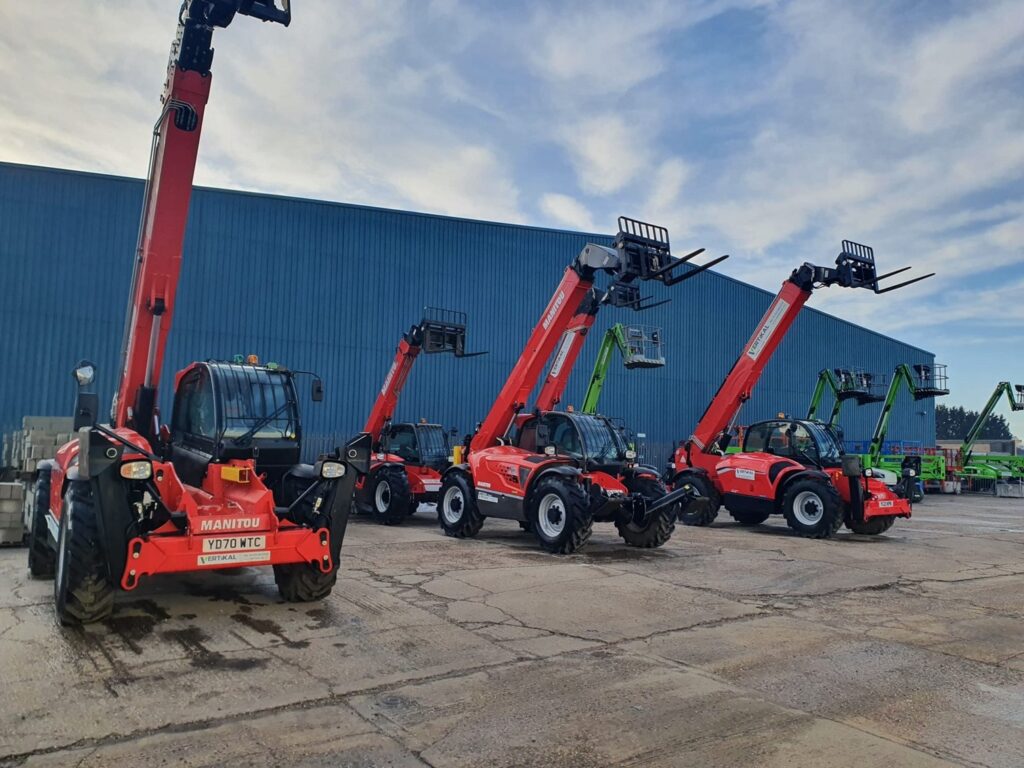
A telehandler, also known as a telescopic handler, is a lifting machine equipped with a boom that extends forward and upward. It combines features of a forklift and a crane, making it highly versatile. The extendable arm allows operators to lift loads to greater heights and distances. Telehandlers support various attachments such as forks, buckets, and lifting jibs. These attachments expand the machine’s functionality across multiple tasks. Because of this flexibility, telehandlers are widely used in construction, agriculture, and warehousing sectors.
What is a Telehandler?
A telehandler is a heavy-duty machine designed for lifting, moving, and placing materials on site. It operates using a telescopic boom that extends outward and upward. This design allows it to reach areas that standard forklifts cannot access. Telehandlers can carry palletized goods, construction materials, and heavy equipment. They are especially useful on uneven or rough terrains. Their adaptability makes them an essential part of modern job sites.
Key Components and Working Mechanism
The primary components include the chassis, cab, boom, hydraulic system, and attachment mount. The hydraulic system powers the boom’s extension and lifting movements. Operators control the machine from a secure cabin with advanced steering and control systems. The counterweight at the rear ensures balance during heavy lifts. Stabilizers may be included for added safety on certain models. Together, these components allow smooth, controlled, and precise material handling.
Difference Between Telehandlers and Forklifts
Forklifts are designed mainly for lifting loads vertically within limited height ranges. Telehandlers, on the other hand, can extend forward and upward. This extended reach allows access to rooftops and elevated structures. Telehandlers are also better suited for outdoor and rough terrain environments. Forklifts are typically ideal for warehouse settings. Therefore, telehandlers provide greater flexibility on dynamic job sites.
Common Attachments and Their Uses
Telehandlers support a variety of attachments to increase functionality. Fork attachments are used for pallet handling and general lifting tasks. Buckets are ideal for moving loose materials like sand or gravel. Lifting jibs help in hoisting suspended loads similar to cranes. Work platforms allow safe elevation of workers for repairs or installations. This attachment versatility reduces the need for multiple machines.
Industries That Commonly Use Telehandlers
The construction industry relies heavily on telehandlers for material movement. Agriculture uses them for transporting feed, hay, and equipment. Warehouses benefit from their reach and lifting capabilities. Infrastructure projects also use telehandlers for bridge and road construction tasks. Manufacturing facilities utilize them for heavy component handling. Their wide applicability proves their value across sectors.
The Link Between Equipment Efficiency and Productivity
Efficient machinery reduces time spent on repetitive manual tasks. Faster lifting and transportation directly improve workflow speed. When equipment performs multiple tasks, operational coordination improves. Fewer delays mean teams can focus on skilled activities rather than moving materials. Reduced fatigue among workers enhances overall performance. Ultimately, productivity increases when the right equipment is available.
How Telehandlers Hire Saves Time on Site
Hiring telehandlers ensures immediate access to high-performance machinery. Their extended reach reduces repositioning time. With interchangeable attachments, one machine can handle various tasks. This eliminates the need to arrange multiple equipment types. Faster loading and unloading improve supply chain flow. All these factors collectively shorten project timelines.
Cost-Effectiveness of Hiring vs Buying
Purchasing heavy machinery requires significant capital investment. Hiring eliminates large upfront costs and preserves cash flow. Maintenance and servicing are typically handled by rental providers. Businesses avoid storage and long-term depreciation concerns. Rental agreements offer flexibility based on project duration. This makes hiring financially practical for temporary or short-term projects.
Enhancing Worker Safety and Efficiency
Modern telehandlers are built with strong stability systems and load sensors. These safety features reduce the risk of tipping and accidents. By minimizing manual lifting, workers experience fewer injuries. Comfortable cabins improve operator focus and control. Advanced braking and steering systems enhance site safety. Safer environments lead to higher efficiency and morale.
Flexibility for Different Project Types
Telehandlers can operate in both small and large-scale environments. They perform well in outdoor construction sites and indoor facilities. Different load capacities suit diverse project requirements. Adjustable boom angles increase operational adaptability. Rental companies often provide various model options. This flexibility ensures equipment matches project demands.
Reducing Project Delays and Downtime
Rental providers typically maintain equipment in excellent condition. In case of breakdowns, replacement units are often available quickly. Regular servicing ensures minimal mechanical interruptions. Reliable equipment reduces unexpected work stoppages. Consistent performance supports timely project completion. Meeting deadlines strengthens client trust and business reputation.
Environmental and Operational Benefits
Modern telehandlers are designed with improved fuel efficiency. Lower fuel consumption reduces operational costs. Advanced engines help minimize emissions. Reduced noise levels improve on-site working conditions. Efficient machines optimize space usage. These benefits support sustainable and responsible project management.
Choosing the Right Telehandler Hire Service
Selecting the right hire service ensures maximum productivity gains. Businesses should check equipment specifications and condition. Transparent rental terms prevent unexpected charges. Insurance coverage is important for risk management. Reliable customer support ensures technical assistance when needed. Choosing experienced providers enhances overall operational success.
Conclusion
Telehandlers hire can significantly improve on-site productivity by speeding up material handling and reducing labor-intensive tasks. Their versatility, safety features, and adaptability make them ideal for modern projects. Hiring instead of buying provides financial flexibility and access to advanced models. Reduced downtime and improved workflow coordination boost overall efficiency. For businesses aiming to complete projects faster and safer, telehandlers hire is a strategic investment.
FAQs
1. How do telehandlers improve productivity?
They speed up lifting, reduce manual labor, and handle multiple tasks with one machine.
2. Are telehandlers suitable for rough terrain?
Yes, they are specifically designed to operate on uneven outdoor surfaces.
3. Is hiring better than buying for short projects?
Yes, hiring reduces upfront costs and avoids long-term maintenance expenses.
4. Can telehandlers lift workers?
Yes, with proper work platform attachments and safety compliance.
5. Do rental services provide maintenance?
Most professional hire companies include maintenance and support services.