
Healthy, smooth, and glowing skin is something many people strive to achieve. However, daily exposure to pollution, sunlight, aging, acne, and lifestyle habits can gradually make the skin appear dull, rough, and uneven. Fortunately, Chemical Peels have become one of the most trusted non-surgical skin treatments for improving skin texture naturally by encouraging the skin’s own renewal process.
Unlike treatments that simply cover skin imperfections, chemical peels work by removing damaged outer layers of the skin, allowing fresh, healthier skin cells to emerge. This natural regeneration process can improve the appearance of fine lines, acne scars, pigmentation, and uneven texture while leaving the skin looking brighter and smoother over time.
This article explains how chemical peels work, their benefits, different types, the treatment process, aftercare, and what individuals can expect from this popular skincare solution.
What Are Chemical Peels?
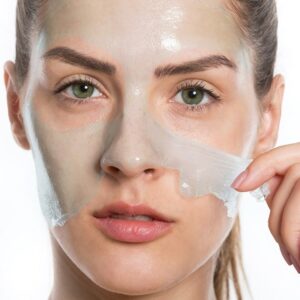
Chemical Peels are professional skin resurfacing treatments that use specially formulated chemical solutions to exfoliate the outermost layers of the skin. Once the damaged skin peels away, the body naturally produces new skin cells that are smoother, healthier, and more even in tone.
The treatment stimulates the skin’s natural healing process while boosting collagen production, which plays an essential role in maintaining firm, youthful-looking skin.
Depending on the individual’s skin concerns and goals, different strengths of chemical peels can be used to target surface-level imperfections or deeper skin issues.
How Chemical Peels Improve Skin Texture Naturally
One of the biggest reasons people choose Chemical Peels is their ability to enhance skin texture without surgery or invasive procedures.
Removes Dead Skin Cells
Dead skin cells can accumulate on the surface of the skin, making it look rough and dull. This treatment gently exfoliate these damaged layers, revealing fresher skin underneath.
Stimulates Natural Cell Renewal
As old skin cells are removed, the body naturally creates new cells. This continuous renewal process improves skin softness, brightness, and overall texture.
Boosts Collagen Production
Many chemical peels stimulate collagen production beneath the skin. Collagen helps maintain skin firmness, elasticity, and smoothness while reducing the appearance of fine lines.
Reduces Acne Scars
Chemical peels help soften shallow acne scars by encouraging healthy skin regeneration. Repeated treatments may gradually improve uneven skin texture caused by previous breakouts.
Improves Uneven Skin Tone
Sun damage, post-inflammatory pigmentation, and age spots often create uneven skin tone. This treatment help fade discoloration by removing damaged pigmented skin cells.
Minimizes Enlarged Pores
By clearing excess oil, debris, and dead skin cells, chemical peels can reduce the appearance of enlarged pores, leaving the skin looking cleaner and smoother.
Different Types of Chemical Peels
Not all Chemical Peels are the same. The type selected depends on skin type, desired results, and the severity of the skin concern.
Superficial Chemical Peels
Superficial peels target only the outer layer of the skin. They are commonly used for:
- Mild pigmentation
- Dull skin
- Minor acne
- Uneven texture
- Early signs of aging
These peels usually require minimal recovery time and are suitable for regular skin maintenance.
Medium Chemical Peels
Medium peels penetrate deeper into the skin and can improve:
- Moderate acne scars
- Fine lines
- Sun damage
- Hyperpigmentation
- Uneven skin tone
Recovery may take several days as the skin naturally sheds and renews.
Deep Chemical Peels
Deep treatment reach the lower skin layers and are generally recommended for more significant concerns, including:
- Deep wrinkles
- Severe sun damage
- Pronounced scarring
- Advanced pigmentation
These treatments involve a longer recovery period but may provide more dramatic improvements.
Skin Concerns That Chemical Peels Can Treat
Chemical Peels are versatile treatments that address various cosmetic skin concerns.
Common conditions that may benefit include:
- Rough skin texture
- Acne and acne scars
- Fine lines and wrinkles
- Sun damage
- Age spots
- Melasma
- Hyperpigmentation
- Uneven skin tone
- Enlarged pores
- Dull complexion
- Mild skin laxity
Because every person’s skin is unique, treatment plans are often customized according to individual needs.
What Happens During a Chemical Peel Treatment?
Many first-time patients wonder what to expect during the procedure.
The treatment generally follows these steps:
- The skin is thoroughly cleansed to remove oil and impurities.
- A chemical solution is carefully applied to the treatment area.
- The solution remains on the skin for a specific amount of time.
- Mild tingling, warmth, or slight stinging may occur during application.
- The solution is neutralized or removed according to the type of peel used.
- Protective skincare products are applied after the treatment.
The procedure itself is usually completed within a relatively short appointment, depending on the type of peel being performed.
Recovery and Aftercare Tips
Proper aftercare is essential for achieving the best possible results from this treatment.
Some temporary side effects may include:
- Mild redness
- Tightness
- Dryness
- Flaking
- Peeling
These reactions are typically part of the skin’s natural healing process.
Helpful aftercare tips include:
- Keep the skin well moisturized.
- Apply sunscreen every day.
- Avoid direct sun exposure whenever possible.
- Do not pick or peel flaking skin.
- Use gentle cleansers and skincare products.
- Avoid harsh exfoliants until the skin has fully healed.
- Stay hydrated to support healthy skin recovery.
Following these recommendations helps protect the new skin while minimizing irritation.
Who Is a Good Candidate for Chemical Peels?
Chemical Peels are suitable for many individuals who want to improve skin texture without undergoing surgery.
They may be appropriate for people experiencing:
- Mild to moderate acne scars
- Uneven skin texture
- Sun-damaged skin
- Early signs of aging
- Pigmentation issues
- Dull or tired-looking skin
However, suitability depends on several factors, including skin type, current skincare routine, and overall skin health. A professional skin assessment is often recommended before beginning treatment.
Benefits of Chemical Peels
Some of the most notable benefits include:
- Smoother skin texture
- Brighter complexion
- More even skin tone
- Reduced appearance of acne scars
- Softer fine lines
- Improved collagen production
- Smaller-looking pores
- Fresher, healthier skin appearance
- Non-surgical treatment option
- Customizable for different skin concerns
Results often continue to improve as the skin completes its natural healing and regeneration process.
How Long Do Results Last?
The longevity of results depends on factors such as skin type, lifestyle habits, sun protection, and skincare routine.
Individuals who consistently protect their skin from UV exposure, maintain a healthy skincare regimen, and follow recommended maintenance treatments often enjoy longer-lasting improvements. Healthy lifestyle choices, including staying hydrated and eating a balanced diet, can also support glowing, youthful-looking skin.
Conclusion
Chemical Peels remain one of the most effective skin rejuvenation treatments for improving skin texture naturally. By removing damaged surface layers and encouraging healthy cell turnover, they help reveal smoother, brighter, and more even-looking skin.
While noticeable improvements can often be seen after treatment, long-term success depends on proper skincare, sun protection, and ongoing maintenance. When incorporated into a personalized skincare plan, chemical peels can provide lasting improvements in skin texture and overall appearance, helping individuals achieve healthier, more radiant skin with confidence.
FAQs
1. What are Chemical Peels used for?
Chemical Peels are commonly used to improve skin texture, reduce acne scars, minimize fine lines, treat pigmentation, brighten dull skin, and promote healthier skin renewal.
2. Are Chemical Peels painful?
Most people experience only mild tingling, warmth, or a slight stinging sensation during the treatment. The level of discomfort depends on the strength of the peel.
3. How long does it take to recover from a Chemical Peel?
Recovery varies based on the type of peel. Superficial peels may require only a few days, while medium and deep peels generally involve a longer healing period.
4. Can Chemical Peels treat acne scars?
Yes. Chemical Peels can improve the appearance of mild to moderate acne scars by encouraging new skin cell growth and smoother skin texture over time.
5. How many Chemical Peel sessions are usually needed?
The number of sessions depends on the individual’s skin concerns, treatment goals, and the type of peel used. Some people notice improvements after one session, while others benefit from a series of treatments.
6. Is sunscreen necessary after a Chemical Peel?
Yes. Newly treated skin is more sensitive to sunlight, making daily sunscreen use essential for protecting the skin and maintaining treatment results.
Read More About Laser Chemical Peels: https://enfieldclinicoman.blogspot.com/2026/06/laser-carbon-peel-for-acne-scars-and.html